

Woven fabric is a textile formed by interlacing two sets of yarn, warp (lengthwise) and weft (crosswise), at right angles. The process creates a stable, durable material. The interlaced pattern provides the fabric with strength, firmness, and resistance to stretching. Different fibers and weaves contribute to durability, shape retention, stiffness, and varied textures.
The woven fabric manufacturing process starts with spinning fibers into yarn, which is arranged as tightly stretched warp threads on a loom. Weft threads pass over and under warp threads in specific patterns to form various weave types. Fabric undergoes finishing processes like washing, dyeing, or printing to improve its appearance and performance after weaving.
Woven fabric is a woven material that originated around 7000–8000 BCE in ancient civilizations such as Mesopotamia and Egypt. Early woven fabrics served as clothing and household items. Advancing weaving technology has expanded the use of woven fabrics in industrial and commercial products, such as bags. The transition to woven cloth for bags, including totes, stemmed from its durability and ability to maintain shape under heavy weights, embodying the woven fabric meaning as a durable, structured textile.
Plain weave, twill, satin, basket weave, and jacquard are the types of woven cloth. The woven fabric types suit specific applications including apparel, upholstery, home textiles, and industrial uses. Woven cloth provides durability, stability, and a range of textures and patterns. Its strength, form retention, and resistance to wear make it well-suited for tote bags and reusable shopping bags that need to handle heavy items securely and last through frequent use.
Tote Bag Factory’s Woven Bags
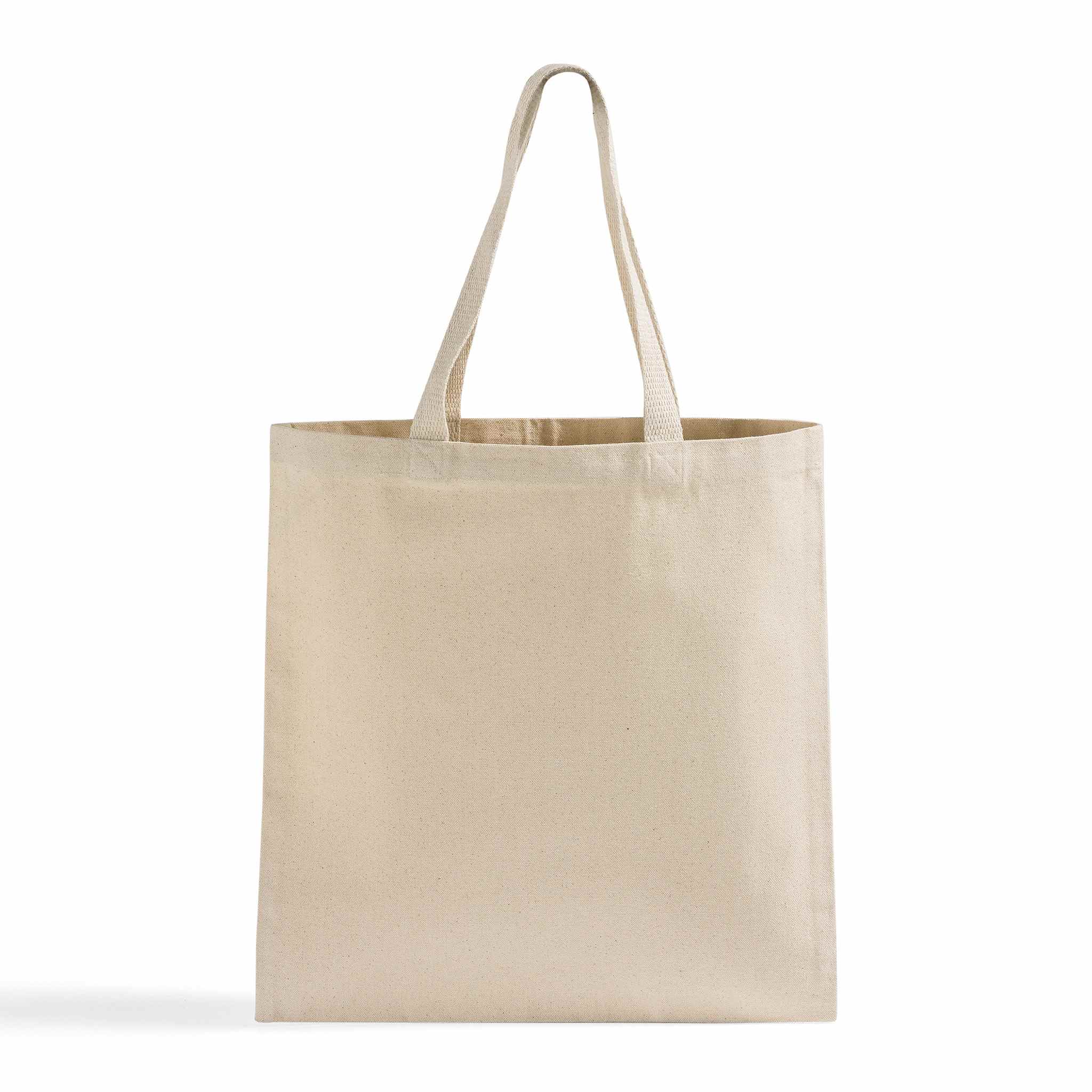
High Quality Promotional Canvas Tote Bag
Color Options:
Natural Black White Red Navy +11 Colors
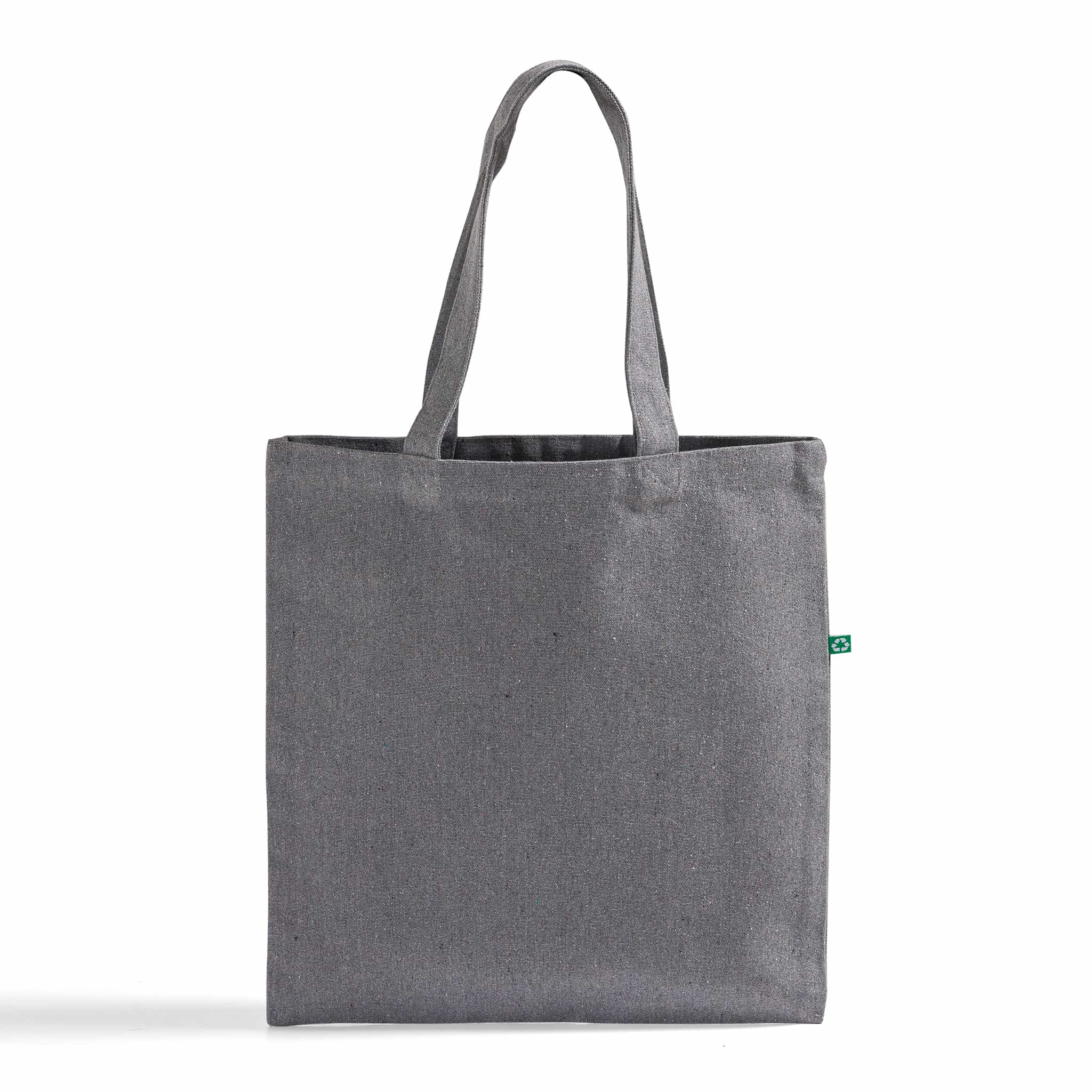
Eco-friendly Classic Recycled Canvas Tote Bag
Color Options:
Natural Grey
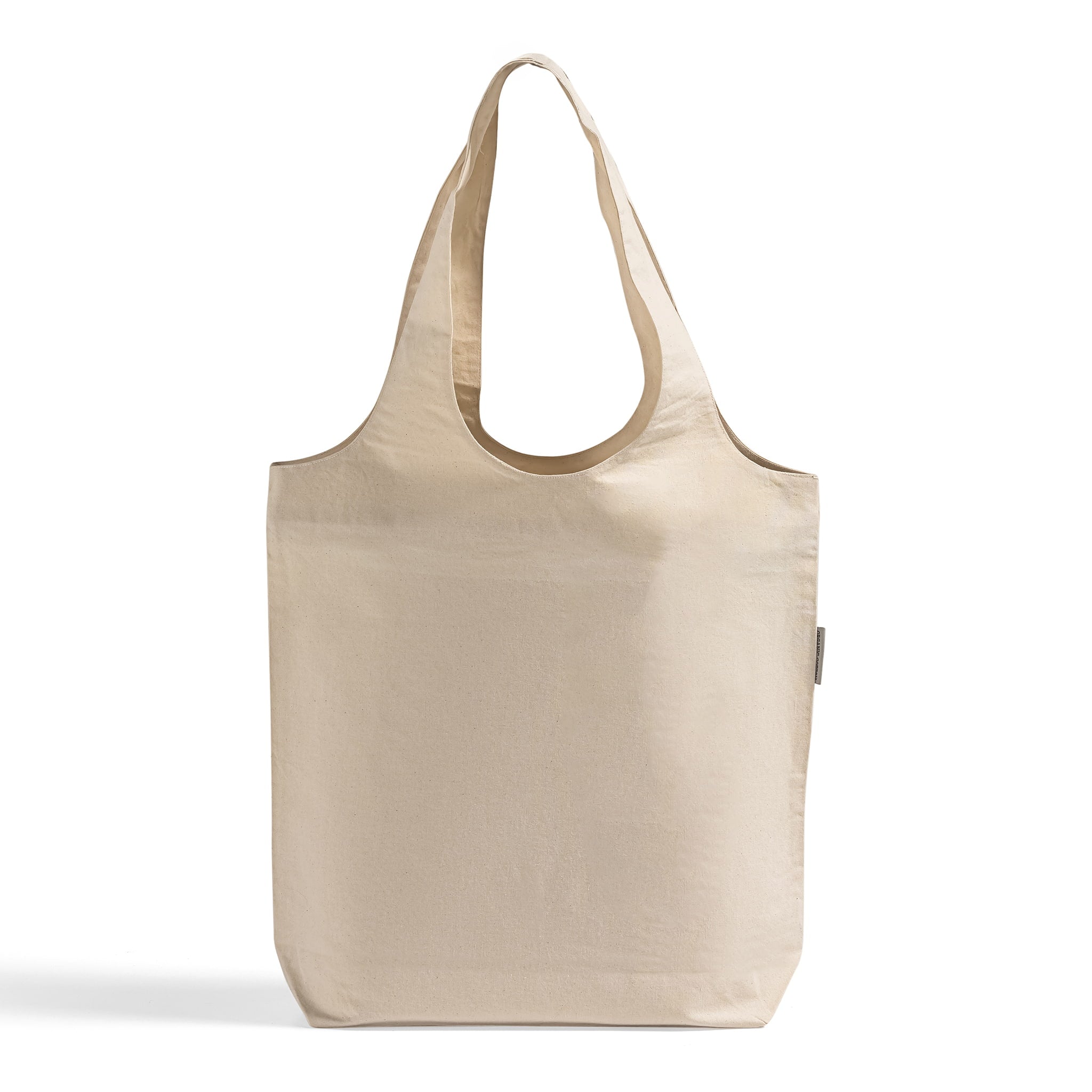
Organic Cotton Stow-N-Go Tote Bag
Color Options:
Natural
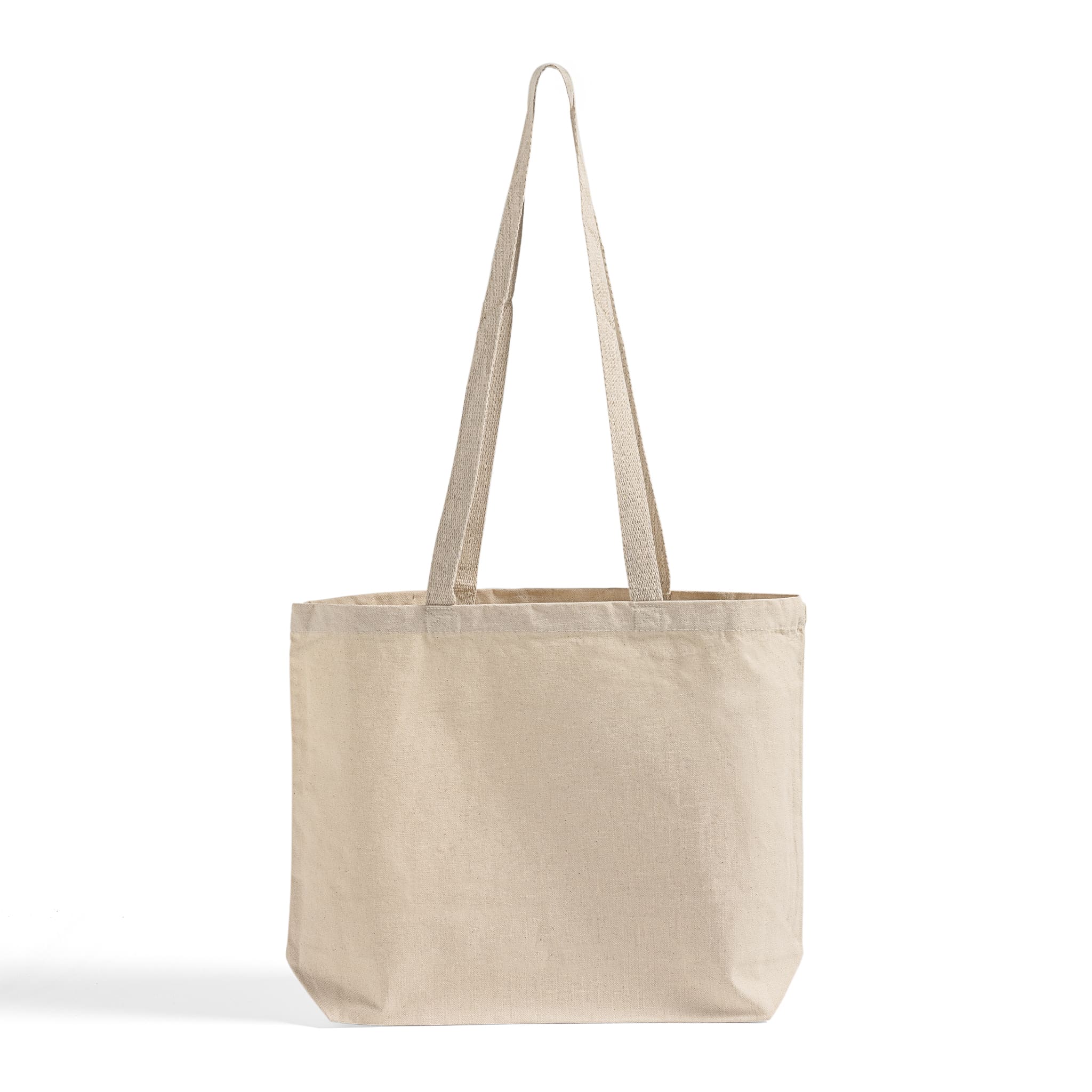
Color Options:
Natural Black
What Material is Woven Fabric made of?

The material that woven fabric is made of is yarn derived from natural fibers such as cotton, wool, linen, and silk. Material selection is crucial in woven fabric production. The choice affects fabric strength, flexibility, moisture control, and overall performance in final applications. Cotton provides softness, breathability, and wide availability, making it ideal for everyday clothing and home textiles. Wool offers excellent insulation and elasticity, making it suitable for winter garments and blankets. Linen made from flax is valued for its cool, crisp feel and durability. Linen is used in summer clothing and interior decor. Silk provides a smooth, lustrous finish and high tensile strength, ideal for luxury apparel and fine textiles. Natural fibers contribute specific qualities to woven fabrics, influencing behavior in environments, color retention, and durability over time.
How is Woven Fabric Made?
Woven fabric is made through weaving, interlacing yarns, warp, and weft at right angles to create a stable textile structure. Fabric construction requires weaving. Weaving produces strong, uniform, and durable woven material for clothing, furnishings, and industrial materials. Weft threads are wound onto a shuttle or insertion device, enabling precise and efficient passage through warp threads. Warp threads are lengthwise yarns arranged in parallel and stretched tightly across a loom, creating the fabric's framework.
The loom holds warp threads under tension, keeping them aligned as weft threads weave across. The loom raises and lowers specific warp threads to create a shed, a space for inserting the weft threads before beating the yarn into place to secure the weave. Weaving the weft over and under the warp produces patterns, influencing the texture and strength of the fabric.
Is Woven Fabric made of Cotton?
Yes, woven fabric is made of cotton. Cotton is a widely used natural fiber in woven material production for woven cotton. Cotton fibers are spun into yarn and woven on looms into textiles like shirts and denim, forming cotton woven fabric. Cotton provides softness for skin comfort and breathability for airflow and moisture release. Cotton is hypoallergenic and absorbent, suitable for sensitive skin and hot climates. High durability and easy maintenance make cotton fabric ideal for woven fabrics in clothing, bedding, and home use.
Is Woven Fabric made of Polyester?
Yes, woven fabric is made of polyester. Polyester is a synthetic fiber commonly used in woven fabric production due to its strength, wrinkle resistance, and affordability. Polyester fibers are extruded from petroleum-based polymers, spun into yarn, and woven into durable, versatile textiles. Woven polyester fabric maintains its shape, resists shrinking, and dries quickly. The polyester woven fabric is used in shirts, trousers, and uniforms. Upholstery and home textiles like curtains, tablecloths, and bedspreads use woven polyester fabric for durability and ease of care.
What are the different Types of Woven Fabrics?

The different types of woven fabrics are listed below.
- Plain Weave: A basic weave features weft threads crossing over and under warp threads alternately. Plain weave produces a strong, flat fabric suitable for shirts, bedding, and canvas.
- Twill Weave: A weave pattern has the weft thread passing over one or more warp threads and under two or more, creating diagonal ribs. Twill weave appears in denim, chinos, and workwear.
- Satin Weave: A weave in which the weft floats over four or more warp threads and passes under one to create a smooth, glossy surface. Satin weave is used in eveningwear and luxury bedding.
- Basket Weave: The Basket weave is a type of plain weave using multiple weft threads that cross an equal number of warp threads. Basket weave creates a textured checkerboard fabric that is among the woven fabric types used in home decor and outerwear.
- Leno Weave: Leno Weave twists warp thread around the weft, creating a strong, open mesh. Leno Weave appears as curtains, gauze, and mosquito nets.
- Jacquard Weave: The Jacquard weave is a complex technique using a special loom to create intricate patterns in fabric. Jacquard weave features in upholstery, brocade, and damask.
- Dobby Weave: The Dobby is a decorative weave with small, geometric patterns created using a dobby loom. Dobby is one of the types of woven fabric used in dress shirts, table linens, and lightweight fabrics.
How to Identify a Woven Fabric?
To identify a woven fabric, first examine the fabric's texture and structure to understand its handling behavior. Second, inspect the surface to identify interlocking threads running lengthwise and crosswise, forming the basic structure of a woven fabric. Third, check the distinct over-under thread pattern for visibility and uniformity, confirming a woven construction. Fourth, gently pull the fabric diagonally to test stretch resistance. Woven fabrics resist diagonal stretch more than knit fabrics. Fifth, observe the edges when cut because the woven fabric frays, confirming identification. Lastly, note how the fabric holds its shape, a clear indicator of its woven structure.
How do Woven Fabrics differ from Nonwoven Fabrics?
Woven fabric differs from nonwoven fabric in structure and production methods. Woven fabric uses interlaced warp and weft threads on a loom to form a stable grid. Nonwoven fabric is formed by bonding or felting fibers using heat, pressure, or adhesives without weaving. Woven fabrics show clear patterns and offer higher strength and durability. Nonwoven fabrics feature random fiber layouts and provide lightweight, disposable solutions. Woven types serve long-term use, while nonwoven textile types suit single-use items like filters, masks, and hygiene products.
How do Woven Fabrics differ from Knitted Fabrics?
Woven fabrics differ from knitted fabrics in construction, flexibility, and function. Woven fabric is made by interlacing warp and weft threads at right angles, resulting in a stable, structured material with limited stretch. The difference between woven and knitted fabric lies in their structure and properties. Knitted fabric is formed by looping yarns together in rows, resulting in a softer, more flexible structure that stretches easily. Woven fabrics provide firmness and shape retention, making them suitable for shirts, trousers, and upholstery. Knitted fabrics offer comfort and elasticity and are used in T-shirts, sportswear, and underwear.
What is Woven Fabric used for?

Woven fabric is used for bags and upholstery due to its strength, stability, and structure. Woven fabric’s interlaced thread construction ensures durability, shape retention, and stretching resistance, making it suitable for functional and decorative uses.
- Clothing: Woven fabric is used in shirts, trousers, dresses, and jackets for its structure, breathability, and smooth finish.
- Upholstery: Woven fabric is used in furniture covers for durability, textures, and long-term wear resistance.
- Bags and Totes: Woven fabric is chosen for its ability to hold shape and carry weight without deforming, making it the ideal textile for tote bags.
- Curtains and Drapes: Woven fabric is chosen for its ability to hang evenly, block out light, and improve aesthetic appeal.
- Home Textiles: Woven fabric is used in tablecloths, bed linens, and cushion covers for durability and style.
- Industrial Use: Woven fabric is used in filters, geotextiles, and protective wear because of its strength and stability, highlighting technical uses of fabric.
- Art and Craft: Woven fabric provides structure and surface consistency in embroidery, fabric panels, and DIY projects.
Is Woven a Good Material for Clothing?
Yes, woven is a good material for clothing. Woven fabric offers structure, durability, and breathability, rendering it ideal for garments. Cotton, linen, and denim are among the most popular clothing fabrics. Cotton offers softness and breathability, making it suitable for shirts, dresses, and casual woven clothes. Linen provides crisp texture and moisture-wicking properties, and is commonly used for summer garments. Denim delivers strength and durability, making it a popular choice for jeans and jackets. Woven fabrics offer various textures and finishes, ranging from smooth and lightweight to coarse and heavy. Woven fabrics maintain shape and provide comfort in fitted and loose woven fabric clothing designs.
Is Woven Fabric a Good Choice for Grocery Bags?
Yes, woven fabric is a good choice for grocery bags. The interlaced thread structure of woven fabric forms a strong, stable material that resists tearing and retains its shape under weight. The durability of the woven material makes it ideal for repeated use and transporting heavy items like fruits, bottles, and canned goods. Woven fabric grocery bags retain integrity when filled, offering a reliable, eco-friendly alternative to plastic bags.
What are the Characteristics of Woven Fabric?
The characteristics of woven fabric are listed below.
- Durability: The woven fabric resists wear and abrasion due to its tightly interlaced warp and weft threads. The structure ensures strength for durable clothing, upholstery, and industrial items.
- Stiffness: Woven fabric maintains a firm, structured shape in medium to heavyweight materials. Woven fabric's stiffness supports tailored garments and structured items such as bags and curtains.
- Shape Retention: Woven fabric retains its form and resists sagging or distortion over time. The thread arrangement prevents stretching, helping garments and textiles retain fit and structure.
- Wrinkle Resistance: Wrinkle resistance varies by fiber type. The woven structure reduces wrinkles, in blended fabrics. Polyester blends remain smooth and neat with minimal care.
- Low Stretchability: Woven fabric exhibits limited stretch along the bias, providing improved stability. Lack of elasticity aids precision sewing and prevents misshaping during use.
- Fray at Edges: Woven fabric frays when cut due to its thread arrangement. Edge finishing or hemming prevents unraveling and maintains fabric integrity.
- Versatile Surface: Woven fabric features diverse textures, patterns, and finishes, depending on the weave type. The surface adapts for printing, dyeing, and embellishment, showing the flexible design characteristics of woven fabric.
Is Woven Fabric Stretchy?
No, woven fabric is not stretchy. Woven fabric interlaces warp and weft threads at right angles, creating a firm, stable structure with limited elasticity. The tight grid construction restricts thread movement, reducing fabric stretch. Flexibility is low compared to knit fabrics, which feature loops and natural elasticity. Woven fabrics stretch slightly along the bias but maintain shape and resist deformation.

