

Recycled polyester fabric (rPET) is a synthetic material from used plastic bottles and textile waste. Recycled polyester offers an eco-friendly alternative, reducing landfill waste and decreasing demand for synthetic petroleum-based polyester. The fabric features strong, lightweight, water-resistant, quick-drying properties, and excellent shape retention. Recycled polyester fabric resists mildew, shrinking, and stretching, making it ideal for everyday products. Recycled polyester offers strong performance while helping reduce plastic waste due to polyester recycling. rPET lacks natural breathability. Engineers designed it to wick moisture, benefiting activewear and outerwear. rPET blends with other fibers for clothing, accessories, and household items.
Recycled polyester refers to a fabric made by converting plastic waste, like PET bottles, into usable fibers through polyester recycling processes, to understand what recycled polyester is. The early 1990s marked the rise of environmental awareness, leading to the widespread use of these materials in clothing like fleece jackets. The use of recycled polyester expanded to bags and accessories due to its durability and structure. It is now a popular material for tote bags, reusable grocery bags, and backpacks. Benefits span long-lasting strength, low weight, water resistance, and circular fashion support. rPET helps brands meet eco-conscious consumer demands and promotes sustainability.
Tote Bag Factory’s Recycled Polyester Bags

Medium Recycled Polyester Duffel Bag
From $17.33
Color Options:
Lavender Black Red Yellow Forest Green +12 Colors
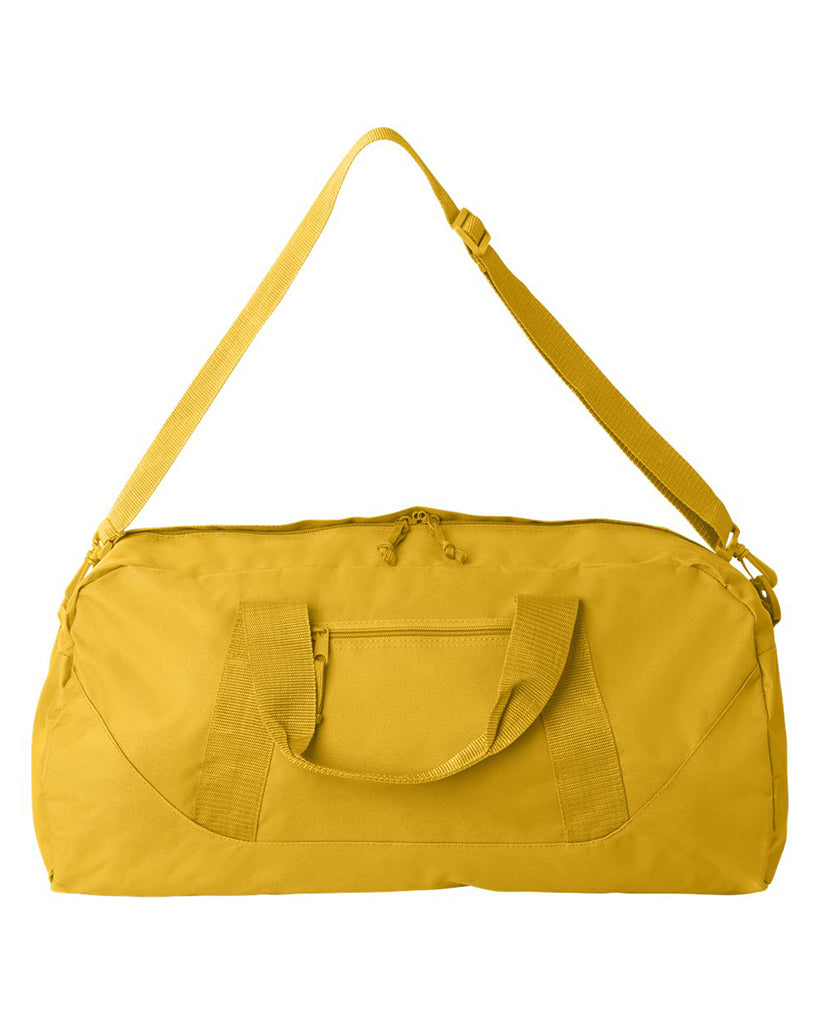
Large Recycled Polyester Duffel Bag
From $26.26
Color Options:
Khaki Black Red Orange Purple +10 Colors

From $14.42
Color Options:
Black Grey Navy
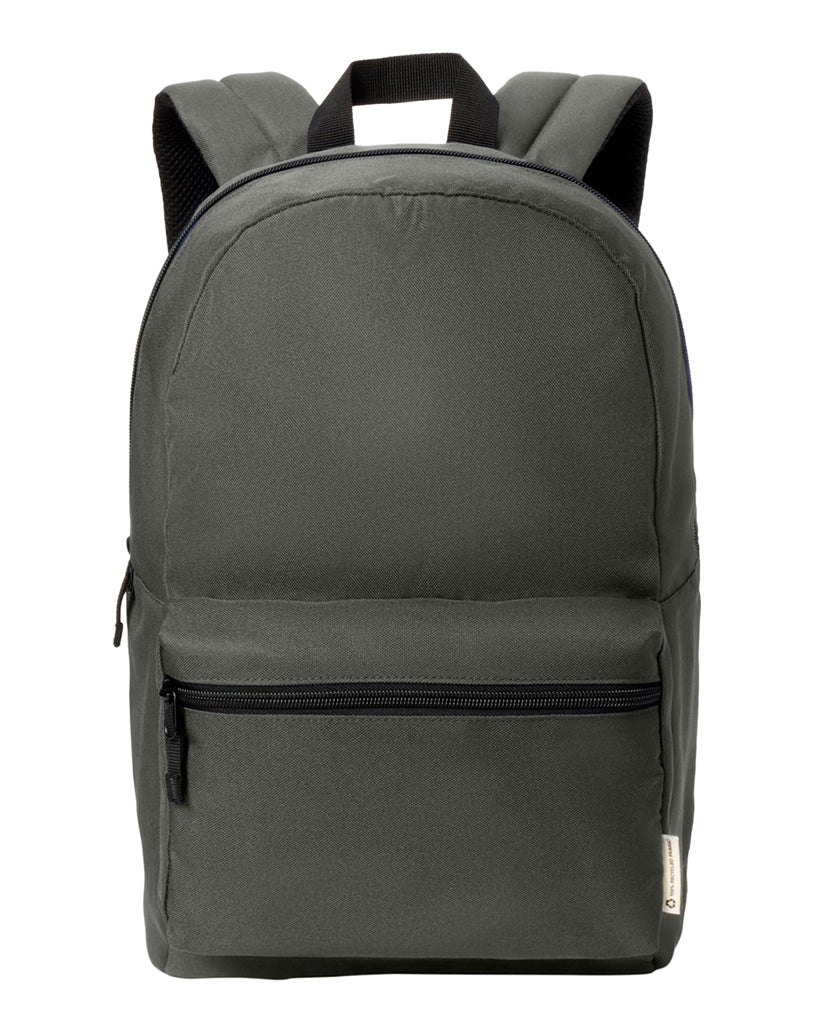
100% Recycled Poly Large Backpack
From $30.92
Color Options:
Deep Black Grey Steel True Navy
What Material is Recycled Polyester Fabric made of?

Recycled polyester fabric is made of the material polyethylene terephthalate (PET) fibers, which are derived from recycled PET waste. PET waste sources include discarded plastic bottles and used polyester textiles, which serve as polyester raw material for recycled polyester fabric. Waste materials are collected, cleaned, shredded, and melted to create synthetic polyester fibers. Recycling reduces demand for virgin polyester material, conserves resources, and minimizes plastic pollution by reusing existing PET products to produce polyester fabric.
How is Recycled Polyester Fabric made?
Recycled polyester fabric is made by transforming plastic waste and using polyester garments to create new fibers through an intricate recycling process. Recycling plastic waste and polyester garments helps reduce environmental pollution and decrease reliance on virgin polyester. The question of how is polyester recycled involves collecting and sorting PET waste, then cleaning it thoroughly to remove contaminants, labels, dyes, and impurities. Polyester is washed, shredded into small flakes, and melted at high temperatures to produce molten polyester. Molten material extrudes into fibers spun into recycled polyester fabric and is used in woven textile production. The method conserves resources and reduces plastic waste in landfills and oceans by repurposing polyester materials.
How is 100% Recycled Polyester Fabric made?
100% recycled polyester fabric is made from recycled PET plastics or used polyester textiles without blending virgin polyester fibers. Fabrics originate from post-consumer plastic bottles or discarded polyester garments. The materials undergo thorough cleaning to eliminate the labels, contaminants, and impurities after collection. Cleaned materials are shredded into flakes and melted at high temperatures to create molten polyester. Molten polyester is extruded into new fibers and spun into fabric. Using 100% recycled polyester fabric reduces virgin polyester, lowers energy consumption, and minimizes plastic waste. The result is a highly sustainable and eco-friendly textile option.
Is Recycled Polyester Plastic?
Yes, recycled polyester is plastic. Recycled polyester is derived from polyethylene terephthalate (PET) plastic found in plastic bottles and packaging. Plastic waste is gathered, purified, and processed by shredding it into tiny flakes. The flakes are subsequently melted at elevated temperatures and extruded into fibers, which are spun into reusable recycled plastic fabric. The process converts discarded polyester plastic PET waste into strong polyester fibers for textiles, reducing plastic pollution and promoting resource conservation.
What are the Different Types of Recycled Polyester Fabrics?
The different types of recycled polyester fabrics are listed below.
- Recycled Polyester Woven Fabric: Recycled Polyester Woven Fabric features interlaced yarns that create a strong, stable fabric for apparel, home textiles, and industrial applications.
- Recycled Polyester Microfiber Fabric: Ultra-fine recycled polyester fibers create a soft, lightweight, breathable material used in activewear and cleaning cloths.
- Recycled Polyester Knit Fabric: Utilizes recycled polyester yarns, providing stretch and comfort for sportswear and casual clothing.
- Recycled Polyester Fleece Fabric: Utilizes recycled polyester fibers to create a warm, insulating, soft fabric popular for outerwear and blankets.
- Recycled Polyester Satin Fabric: Recycled polyester satin fabric is woven with a glossy surface from recycled polyester, ideal for formal wear and linings.
- Recycled Polyester Canvas Fabric: A heavy-duty, durable fabric made from recycled polyester fibers. Recycled Polyester Canvas Fabric is used for bags, upholstery, and outdoor gear due to its strength and water resistance.
What Type of Recycled Polyester Fabric is Used for Clothing?
The type of recycled polyester fabric used for clothing is recycled polyester knit. Knitted fabrics are ideal for activewear and casual apparel, offering stretch, comfort, and breathability. The qualities make knitted fabrics the preferred choice for recycled polyester clothing. The fabric's characteristics make it ideal for flexible garments like T-shirts, sportswear, and leggings. Clothes made from recycled polyester fibers create soft, durable, moisture-wicking clothing suitable for everyday wear and athletic activities.
What Type of Recycled Polyester Fabric is Used for Bags?
The types of recycled polyester fabric used for bags are woven and recycled polyester canvas. The fabrics are favored for their exceptional durability and strength, essential qualities for materials designed to carry weight and withstand frequent use. Woven recycled polyester offers a stable, tear-resistant structure. Recycled polyester canvas increases toughness and water resistance. Woven and recycled polyester canvas make the recycled polyester and canvas bag durable for daily use and rough handling.
What is the difference between Recycled Polyester and Cotton Fabric?
The difference between recycled polyester and Cotton Fabric lies in their origin, properties, and uses. Recycled polyester is a synthetic fabric crafted from repurposed PET plastics and polyester textiles. Cotton is a natural fiber from cotton plants. Recycled polyester offers durability, moisture-wicking properties, and wrinkle and shrink resistance. Recycled polyester suits activewear, outdoor clothing, and items requiring long-lasting performance. Cotton provides breathability, softness, and comfort, making it ideal for casual wear, bedding, and products that prioritize natural fiber qualities, in comparison to recycled polyester vs cotton. Recycled polyester reduces plastic waste and conserves resources. Cotton is biodegradable but requires significant water and land for cultivation. Recycled polyester offers durability and eco-friendliness, while cotton fabric provides comfort and natural fibers.
How does Recycled Poly differ from Virgin Polyester?
Recycled polyester differs from virgin polyester in its source material and environmental impact. Recycled polyester comes from repurposed PET plastics or used polyester textiles. Virgin polyester is produced from petroleum-based raw materials. Recycled polyester reduces plastic waste and energy consumption, making it an eco-friendly option. Recycled polyester and virgin polyester fabrics possess durability, moisture, and wrinkle resistance, enabling similar applications in apparel, upholstery, and industrial textiles. Recycled polyester reduces fossil fuel dependence and minimizes environmental pollution. Virgin polyester delivers consistent fiber quality because of its controlled production process. Recycled polyester supports sustainable fashion and eco-friendly products. The virgin polyester dominates conventional textile manufacturing.
What are the Uses of Recycled Polyester Fabric?

The uses of recycled polyester fabric are listed below.
- Activewear and Sportswear: Recycled polyester fabric excels in activewear and sportswear because of its moisture-wicking properties, durability, and stretchability. Recycled polyester is ideal for leggings, T-shirts, and jackets.
- Casual Apparel: Recycled polyester fabric is popular for casual clothing like t-shirts, dresses, and outerwear due to its comfort, breathability, and ease of care, showcasing one of the most common polyester uses.
- Bags and Accessories: Durable woven recycled polyester and canvas fabrics are used for strong, wear-resistant bags, backpacks, and accessories, highlighting the versatile use of polyester.
- Home Textiles: Recycled polyester is used in home textiles like upholstery, curtains, and cushions for its resilience, color retention, and maintenance ease.
- Outdoor Gear: The fabric’s water resistance and toughness suit outdoor equipment like tents, sleeping bags, and raincoats.
- Industrial Applications: Recycled polyester is used in industrial textile for totes, conveyor belts, safety harnesses, and filtration materials where durability is essential.
What are the Characteristics of Recycled Polyester Fabric?
The characteristics of recycled polyester fabric are listed below.
- Sustainability: Recycled polyester processes post-consumer plastic bottles and pre-consumer polyester waste, reducing virgin petroleum dependence.
- Durability: Recycled polyester retains virgin polyester's strength and resilience, resisting stretching, shrinking, and abrasion.
- Moisture-Wicking: Recycled polyester wicks moisture, keeping the body dry during physical activity.
- Wrinkle Resistance: The fabric resists wrinkles and maintains a smooth appearance without ironing.
- Lightweight: Recycled Polyester Fabric offers casual and performance wear comfort.
- Quick-Drying: Recycled polyester dries quickly because it has low absorbency, making it advantageous for sportswear and outdoor gear.
- Color Retention: Recycled polyester retains dye effectively, producing vibrant colors that resist fading.
- Versatility: Recycled polyester blends with fibers like cotton, elastane, and wool to improve texture, performance, and comfort.
- Thermoplasticity: Recycled polyester melts and remolds like virgin polyester, enabling innovative uses in apparel and industrial applications.
- Reduced Carbon Footprint: Recycled polyester production requires less energy and emits fewer greenhouse gases than virgin polyester production.
- Pilling Resistance: Recycled polyester resists pilling better than natural fibers when tightly woven or treated.
- Recyclability: Recycled polyester supports a circular textile economy when properly managed.
- Softness: Advanced recycling improves fiber softness, improving wearer comfort.
- UV Resistance: Recycled polyester offers moderate UV protection and is helpful for outdoor clothing.
- Chemical Resistance: Recycled polyester resists acids and alkalis, making it suitable for industrial use.
How to tell if Clothing is made from rPET?
To tell if Clothing is made from rPET, check the garment's label for terms like "Recycled Polyester," "rPET," or "Made from Recycled Bottles". Verify it through certifications such as GRS (Global Recycled Standard), OEKO-TEX, or Repreve® tags. Brands disclose fabric composition on care labels or product tags, listing “Recycled Polyester” or “rPET" along with the percentage used. GRS certification confirms that garments contain verified recycled content and meet environmental and social production criteria. Repreve®, a trademarked fiber brand, featured fiber tracing technology that enables brands to confirm the authenticity of rPET clothing through fiber scans. Garments include QR codes or product IDs linked to sustainability reports or material traceability systems. Transparent supply chains include sourcing information on product pages or the sustainability sections of websites. Visual inspection and touch are ineffective at confirming rPET content due to its similarity to virgin polyester without labels or certification.
Does Recycled Polyester Fabric feel different?
No, recycled polyester fabric does not feel different from virgin polyester. Recycled polyester (rPET) closely resembles virgin polyester due to a similar manufacturing process, making the polyester vs recycled polyester feel nearly identical. Yarns made from reused plastic bottles or textile waste match standard polyester's softness, texture, and performance. Recycled polyester fabric feels smooth, lightweight, and slick, like athletic wear, outerwear, and synthetic blends. Advanced manufacturing makes rPET feel soft, mimicking cotton or silk-like finishes based on the weave and blend. The tactile difference between recycled and virgin polyester is imperceptible without labels.
Is Recycled Polyester Fabric Breathable?
No, recycled polyester fabric is not breathable. Recycled polyester and virgin polyester are synthetic materials with a tight weave that restricts airflow and reduces breathability compared to natural fibers like cotton or linen. Moisture-wicking properties and engineered weaves improve comfort by pulling sweat away from the skin. Recycled polyester's durability, water resistance, and structural integrity make it a popular bag choice despite its limited breathability. The key selling points are the high strength-to-weight ratio, resistance to stretching and shrinking, rapid drying, and eco-friendliness due to reduced plastic waste. Recycled polyester resists mildew and abrasion, making it ideal for backpacks, shopping bags, tote bags, and travel gear.
Is Recycled Polyester Fabric Stretchy?
No, recycled polyester fabric is not stretchy. Recycled polyester, like virgin polyester, lacks elasticity and does not stretch without being blended with elastic fibers, such as spandex or elastane. Polyester's fiber structure is rigid, ensuring stability and shape retention without stretching. Recycled polyester has advantages that make it an ideal for bags, despite its limited flexibility. Key selling points are high durability, tear resistance, water repellence, and form retention under weight. Lightweight yet strong, it resists mildew, abrasion, and dries quickly. Eco-friendly origins from recycled plastic waste add value for sustainability-conscious consumers. Recycled polyester is ideal for structured items like backpacks and tote bags.
Does Recycled Polyester Fabric Shrink?
No, recycled polyester fabric does not shrink. Recycled polyester and virgin polyester are synthetic fibers known for their dimensional stability and shrinkage resistance despite heat or moisture exposure. Plastic fiber maintains its shape through repeated washing and use, ensuring a reliable option for durable products. The feature benefit of bags designed for wear, washing, and outdoor use. Key selling points of recycled polyester bags are excellent durability, water repellence, mildew resistance, and tear resistance. Recycled polyester is strong and lightweight, retains its shape under weight, and dries quickly. Recycled polyester from reusable plastic increases environmental value, making it ideal for eco-conscious consumers who seek reusable grocery bags, backpacks, and tote bags.
What are the Advantages of Recycled Polyester Fabric?

The advantages of recycled polyester fabric are listed below.
- Sustainability: Recycled polyester reduces the reliance on virgin petroleum by utilizing post-consumer plastic bottles and textile waste, lowering environmental impact.
- Durability: Recycled polyester provides strength and abrasion resistance comparable to virgin polyester, ensuring durability for repeated use in bags and apparel.
- Dimensional Stability: Recycled polyester resists shrinking and stretching, maintaining its shape through washing and wear.
- Moisture-Wicking: Recycled polyester effectively pulls moisture away from the skin, improving comfort in activewear and humid conditions.
- Lightweight Structure: Recycled polyester exhibits strength while remaining lightweight, ensuring easy movement and convenience in daily products.
- Quick-Drying: Recycled polyester dries faster than natural fibers, making it practical for outdoor items and daily washables.
- Color Retention: Recycled polyester holds dyes well, ensuring vibrant, fade-resistant colors even after multiple washes.
- Water Resistance: Recycled polyester repels water, protecting in rain or spill situations.
- Versatility: Recycled polyester woven or blended with cotton or spandex, adding softness, stretch, and texture.
- Mildew and Abrasion Resistance: Recycled polyester resists moisture and friction, extending product lifespan.
- Eco-Conscious Branding: Recycled polyester supports environmental messaging and meets consumer demand for sustainable products.
- Recyclability: Recycled polyester supports circular fashion and reduces landfill waste by being recyclable, reinforcing the environmental advantages of polyester.
What are the Disadvantages of Recycled Polyester Fabric?
The disadvantages of recycled polyester fabric are listed below.
- Limited Breathability: Recycled polyester’s tight weave traps heat and moisture, making it less breathable than natural fibers like cotton and linen.
- Microplastic Shedding: Washing recycled polyester releases microplastics into wastewater, contributing to marine pollution and environmental damage.
- Non-Biodegradability: Recycled polyester and virgin polyester are non-biodegradable and persist in landfills for centuries without proper recycling.
- Energy-Intensive Recycling Process: RPET mechanical and chemical processes consume more energy than natural fiber processing.
- Chemical Residues: Recycled polyester fabrics contain residues from dyes, treatments, or prior use, posing health risks without proper cleaning or certification.
- Texture Variation: The disadvantages of recycled polyester are that its quality varies by source material, causing inconsistencies in texture, softness, and strength across products.
- Limited Stretch: The polyester disadvantages include the lack of natural elasticity in recycled polyester without spandex or elastane, which limits flexibility for specific apparel applications.
- Synthetic Feel: Recycled polyester retains a slick, plasticky feel, making it less comfortable than natural fabrics.
Recycled polyester is non-toxic. Recycled polyester is safe when processed correctly and certified by standards like GRS or OEKO-TEX, ensuring material safety from harmful chemicals.
Is Recycled Polyester Fabric Sustainable?
Yes, recycled polyester fabric is sustainable. Recycled polyester (rPET) is considered sustainable because it diverts plastic waste from post-consumer PET bottles and discarded textiles. The process reduces environmental pollution by keeping waste out of landfills and oceans. Recycled polyester uses less energy and emits fewer greenhouse gases than virgin polyester from petroleum. Recycling supports a circular fashion by repurposing materials instead of extracting new resources. Certifications like GRS (Global Recycled Standard) ensure responsible sourcing, reduced chemical use, and traceability in materials. Recycled polyester presents a lower environmental impact when managed responsibly, despite microplastic shedding and non-biodegradability concerns.
Is Recycled Polyester Good for the Environment?
Yes, recycled polyester is good for the environment. Recycled polyester lessens the demand for virgin polyester made from non-renewable fossil fuels by reusing plastic waste like PET bottles and textiles. Recycled polyester diverts millions of plastic containers from landfills and oceans, reducing waste pollution. Producing recycled polyester consumes up to 59% less energy and emits fewer greenhouse gases than virgin polyester, according to Swiss Federal Office for the Environment studies. Recycled polyester supports circular economy principles by enabling textile recycling. Proper waste management is essential to maximize the environmental benefits of microplastics shed during washing. Recycled polyester is non-biodegradable. Recycled polyester is an eco-friendly material due to its lower carbon footprint, reduced resource consumption, and ability to transform plastic waste into durable products.

