

Cotton fabric is a textile made from the natural fibers of the cotton plant. The fibers are spun into yarn and woven or knitted to create fabric. The softness, breathability, and comfort of cotton fabric make it popular for clothing and household textiles. Absorbency, durability, and hypoallergenic nature are properties of cotton, making it suitable for wearers with sensitive skin. The production process involves harvesting, ginning, spinning, and weaving or knitting, followed by finishing treatments to improve its appearance and durability. The history of cotton fabric dates back to around 5,000 BCE in the Indus Valley, with its use spreading to Ancient Egypt and China. Cotton fabric gained global popularity during the Industrial Revolution with mechanized production. Cotton fabric transitioned to various products, including reusable cotton material tote bags, which became an eco-friendly alternative to plastic bags.
Different types of cotton fabric serve various purposes, such as plain weave cotton for lightweight and soft shirts and dresses. Twill cotton is used for heavier fabrics like chinos and workwear. Denim is durable and used in jeans, while canvas cotton is sturdy, making it suitable for bags and outdoor gear. Jersey cotton is a stretchy and soft fabric used in t-shirts and activewear. Cotton fabric offers key benefits, including comfort, breathability, and eco-friendliness. Natural, biodegradable fibers are more sustainable than synthetic fabrics. Cotton is a versatile, easy-to-care-for, and durable material, making it ideal for everyday use. Cotton fabric tote bags, in particular, are popular for their practicality and sustainability, helping to reduce plastic waste. The cotton characteristics make it an excellent choice for eco-conscious consumers.
Tote Bag Factory’s Cotton Bags
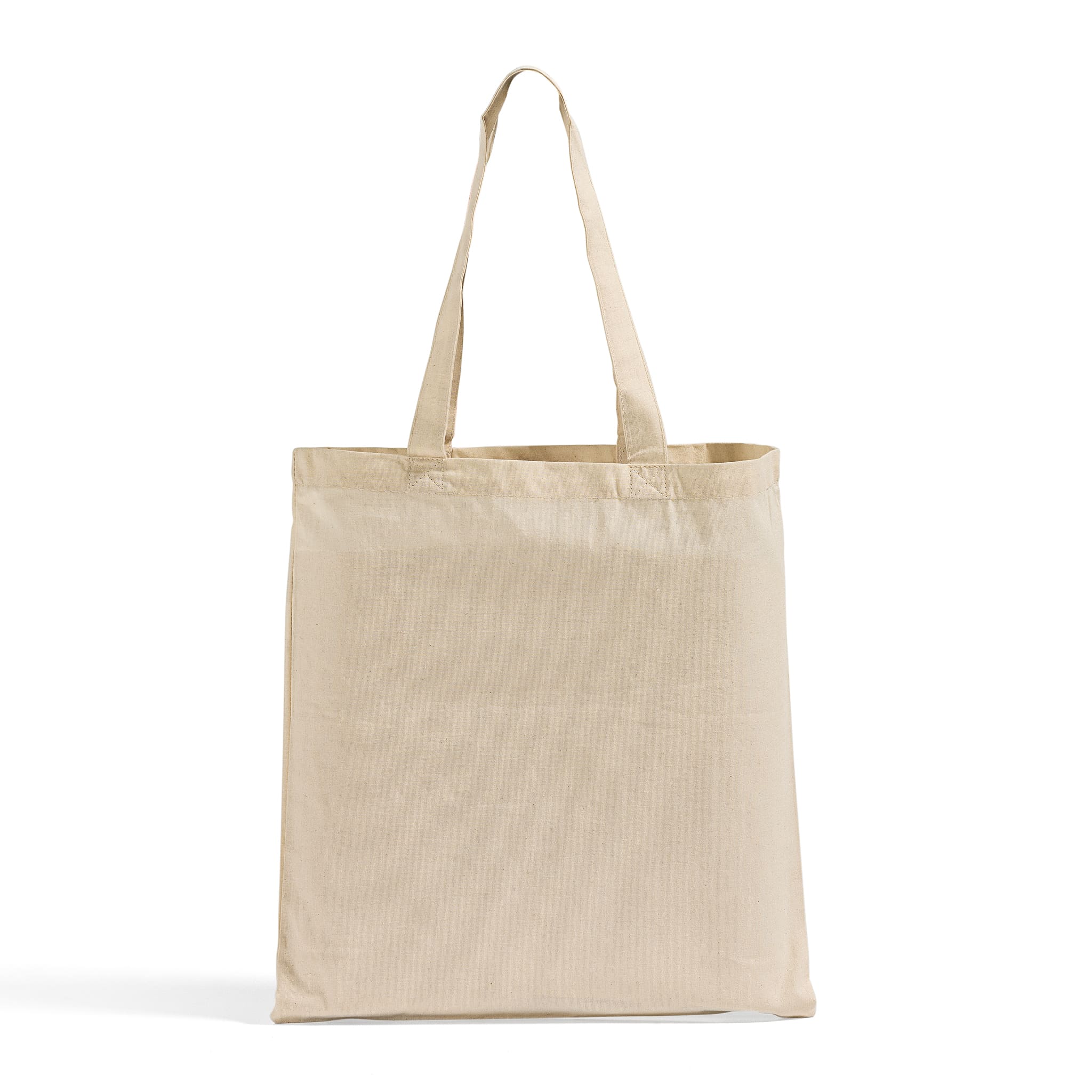
100% Cotton Promotional Tote Bag
From $0.99
Color Options:
Natural Black
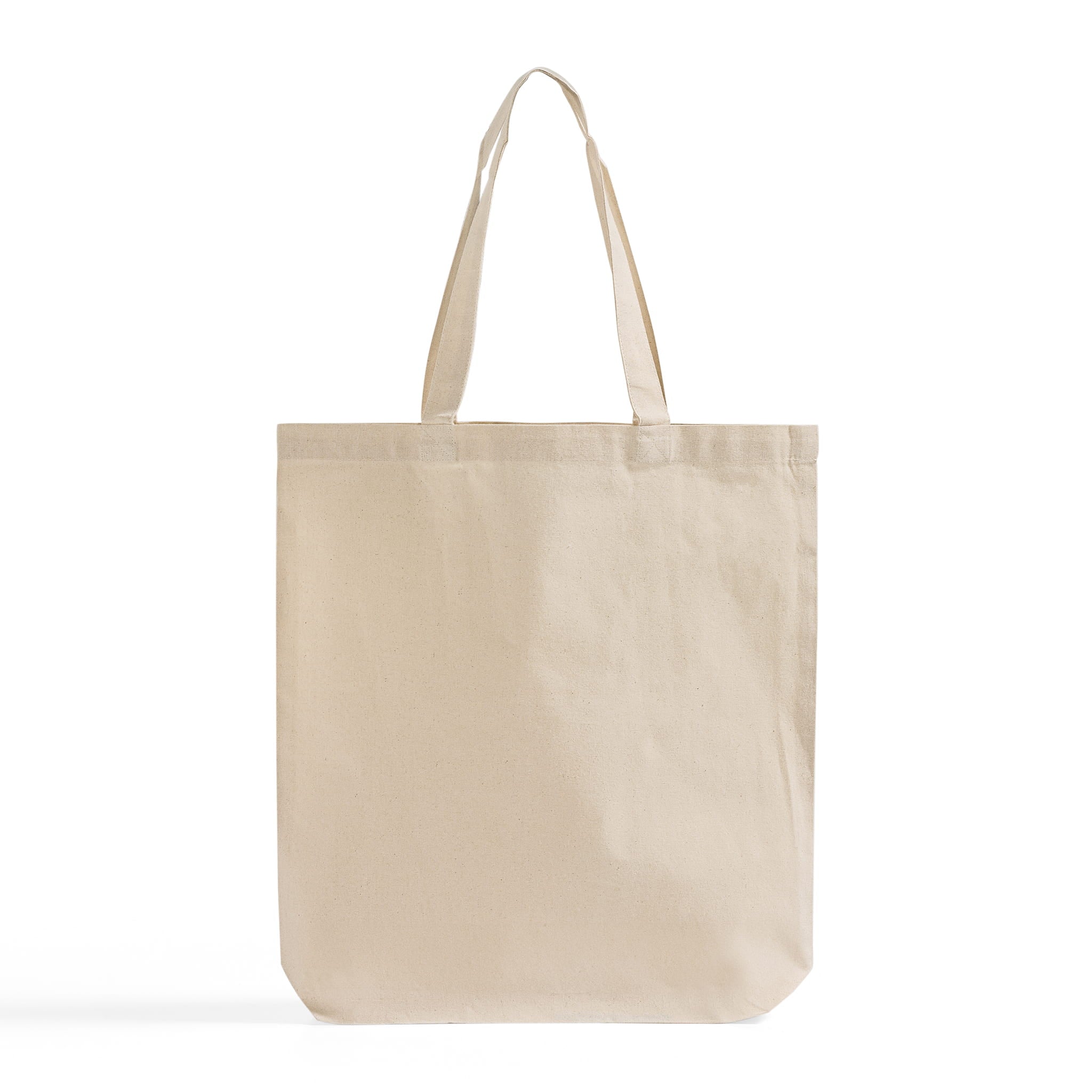
Economical Cotton Tote Bag with Bottom Gusset
From $1.36
Color Options:
Natural Black White Red Royal +7 Colors
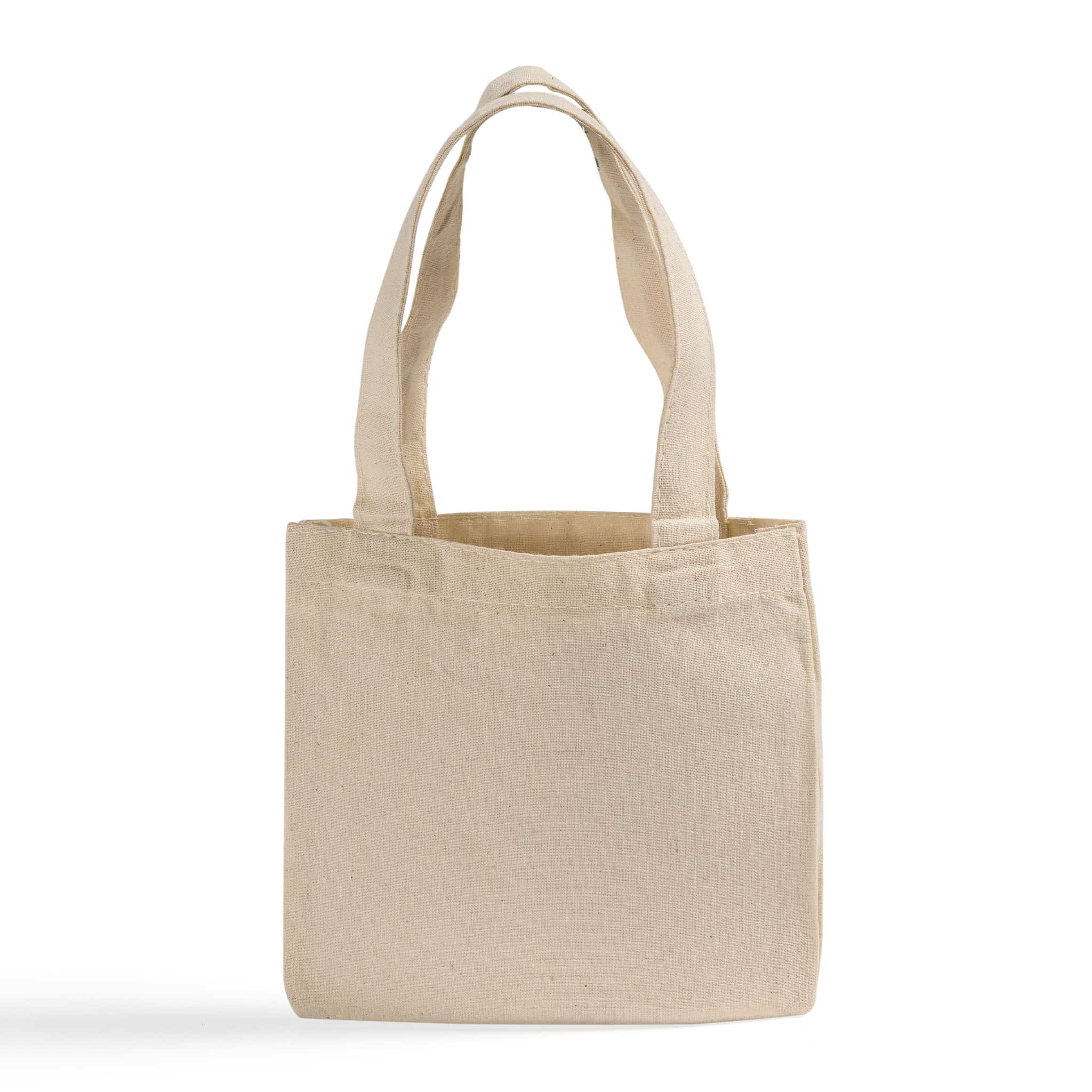
From $0.62
Color Options:
Natural Black White Navy Red +5 Colors

Cotton Tote Bag With Color Handles
From $1.45
Color Options:
Black Red Turquoise Hot Pink Royal +3 Colors
What Material is Cotton Fabric made of?

Cotton fabric is made from the natural fibers of the cotton plant. The fibers develop around the seeds inside the cotton boll, which is the protective capsule of the plant. The fibers form soft, fluffy clusters that are harvested and then processed into threads to create the fabric. The fibers’ origin as plant-based material makes cotton fabric a natural textile valued for comfort and versatility in clothing and household textiles. The cellulose-based fiber is what cotton is made of. The cotton material provides breathability, softness, and durability, defining its quality and widespread use.
How is Cotton Fabric made?
Cotton fabric is made by harvesting cotton fibers and processing them into yarn, which is then woven or knitted to form the fabric. The process begins with harvesting cotton bolls from the cotton plant, where the fluffy fiber surrounds the seeds inside the boll. Cotton fibers are separated from seeds by ginning, a mechanical process that removes impurities like dirt and leaves. The cotton fibers are cleaned and spun into yarn used in fabric production. Common cotton weave types include plain, twill, and satin. Plain weave interlaces the yarns in a simple over-under pattern. Twill weave produces diagonal lines by passing the yarn over multiple threads before going under one. Satin weave creates a smooth, glossy surface by floating yarns over several others. The weaving techniques create the woven textile structure, determining the final cotton fabric product's texture, strength, and appearance. How is cotton fabric made is reflected in the processes and weaving methods that shape the quality and characteristics of cotton fabric.
How is 100% Cotton Fabric made?
A 100% cotton fabric is made entirely from natural cotton fibers without blending with synthetic or other natural fibers. The type of fabric consists solely of the cellulose fibers harvested from the cotton plant’s bolls, which surround the seeds. The absence of other materials ensures that the fabric maintains the natural properties of cotton, including breathability, softness, and moisture absorption. The production of 100% cotton fabric involves harvesting, ginning, spinning, and weaving or knitting processes that preserve the purity of the cotton fibers. 100% cotton indicates no other fibers are mixed, distinguishing it from blended fabrics that combine cotton with polyester or other fibers. The purity contributes to the comfort, durability, and environmental benefits of 100% cotton fabric.
Is Cotton a Textile?
Yes, cotton is a textile. Cotton becomes a textile after the natural fibers are harvested, processed into yarn, and then woven or knitted into fabric. Textiles are flexible materials made of fibers or yarns used for clothing, upholstery, and other applications. Plant-based cotton fibers, spun into threads, meet the definition of textile fibers. The resulting cotton fabric demonstrates the characteristics of textiles, including strength, breathability, and softness. Fashion and home textile industries use cotton textiles because of their comfort and natural origin.
What are the Different Types of Cotton Fabrics?

The different types of cotton fabric, including plain muslin, twill cotton, denim, canvas, and jersey, are created through spinning, weaving, knitting, and finishing techniques. Natural cotton fibers are first spun into yarn, forming the fabric. The texture, weight, and appearance of cotton fabric depend on the weaving or knitting method, thread count, and finishing treatments applied during manufacturing. Fabric types vary depending on the factors and serve purposes in apparel, home textiles, and industrial uses. The processing and combination of cotton fibers determine each cotton fabric type's unique qualities and functionality. The types of cotton fabric emerge from the processes to meet diverse needs and preferences, showcasing the wide range of different types of cotton fabric available in the market.
The different types of cotton fabrics are listed below.
- Muslin: Muslin is a lightweight, plain-weave cotton fabric that is soft and breathable. Muslin is used for clothing and curtains.
- Percale: A percale is a closely woven, plain weave fabric with a smooth texture and crisp feel, used for bedsheets and pillowcases.
- Twill: Twill is a cotton fabric characterized by diagonal rib patterns created by weaving. Twill offers durability and a distinct texture.
- Sateen: Sateen is a cotton fabric with a satin weave that produces a glossy surface and smooth hand feel. Satin is found in luxury bedding.
- Denim: Denim is a sturdy cotton twill fabric with a distinctive diagonal weave for jeans and workwear.
- Flannel: Flannel is a soft, slightly napped cotton fabric that provides warmth. Flannel is used in shirts and pajamas.
- Jersey: Jersey is a knit cotton fabric known for stretch and comfort. Jersey is used in t-shirts and casual wear.
- Canvas: Canvas is a heavy-duty plain weave cotton fabric used for bags, tents, and upholstery due to its strength and durability.
- Chintz: Chintz is a glazed cotton fabric with printed floral patterns for upholstery and drapery.
- Calico: Calico is a plain weave cotton fabric with a small, repeated floral or geometric print. Calico is popular for quilting and casual garments.
- Voile: Voile is a sheer, lightweight cotton fabric with a soft drape, commonly used for curtains and lightweight apparel.
- Madras: Madras is a bright, plaid-patterned cotton fabric from India used for shirts and summer wear.
- Oxford: Oxford is a soft, basket-weave cotton fabric with a slightly textured surface for dress shirts.
What Type of Cotton Fabric is Used for Clothing?
The types of cotton fabric for clothing are plain weave, jersey, and twill cotton. Plain weave cotton provides a simple, tightly woven structure that delivers durability and comfort, making it ideal for shirts and dresses. Jersey cotton is a knit fabric recognized for its stretch and softness, adding comfort in t-shirts and casual wear. Twill cotton features a distinctive diagonal weave that adds strength and resilience and is utilized in pants and jackets. The fabrics offer breathability, which allows air circulation and helps regulate body temperature. Comfort, durability, and breathability make plain weave, jersey, and twill cotton the preferred choices for clothing applications. The cotton fabrics' qualities meet everyday apparel's essential needs, ensuring functionality and comfort. The cotton fabric for clothing provides natural softness and strength. The cotton clothes are made from cotton fabric types because of their adaptability and comfort. Fabrics made from cotton cloth are used for various purposes, including clothing, bed linens, towels, and upholstery.
What Type of Cotton Fabric is Used for Bags?
The type of cotton fabric used for bags is canvas. The canvas fabric is known for its strength, durability, and heavy-duty nature, making it suitable for carrying weighty items without tearing. The dense weave of canvas cotton increases its resistance to wear and abrasion, contributing to the long-lasting quality of bags made from the material. Canvas cotton maintains a sturdy structure, allowing bags to hold their shape even when filled. The key attributes make canvas cotton the preferred choice in manufacturing bags for everyday use and heavy loads. The strong nature of canvas cotton ensures that bags made from it meet functional demands while providing reliability and longevity, making canvas bags an ideal choice for durability and strength.
Are there Types of Heavy Cotton Fabric?
Yes, there are types of heavy cotton fabric. Heavy cotton fabrics feature thick, dense weaves that provide significant strength and durability. The fabrics are designed to withstand wear and stress, making them suitable for tough applications, such as workwear, upholstery, and bags. The dense weaving pattern contributes to their weight and strength, distinguishing them from lighter cotton fabrics used in everyday clothing. Heavy cotton fabrics include canvas and duck cloth, which are known for their ability to resist tearing and abrasion. The construction of heavy cotton fabric ensures long-lasting performance in industrial and casual settings.
What is the difference Between Cotton and Organic Cotton?
The difference between cotton and organic cotton lies in their cultivation methods and environmental impact, although the two come from the natural fibers of the cotton plant. Conventional cotton is produced using synthetic pesticides, fertilizers, and genetically modified seeds, whereas organic cotton is grown without synthetic chemicals and adheres to natural farming practices that promote soil health and biodiversity. Organic cotton offers the advantage of a lower environmental footprint by reducing chemical pollution and conserving water resources. Conventional cotton yields higher production, but exposes ecosystems and farmworkers to harmful chemicals. Organic cotton produces softer, hypoallergenic fabric that benefits sensitive skin, whereas traditional cotton involves more chemical processing. The two materials provide the natural softness, breathability, and comfort typical of cotton fibers, but organic cotton represents a more sustainable and health-conscious choice.
What are the Uses of Cotton Fabric?
The uses of cotton fabric are listed below.
- Accessories: Accessories made from cotton fabric include bags, hats, scarves, and belts, providing breathability and softness for everyday wear.
- Clothing: Clothing made from cotton fabric includes shirts, dresses, t-shirts, underwear, and casual wear, valued for comfort, moisture absorption, and ease of care.
- Home Textiles: Home textiles made from cotton fabric include bed linens, towels, curtains, and upholstery, offering a combination of softness and durability for daily household use.
- Industrial Applications: Cotton fabric is used in industrial applications involving heavy-duty materials like canvas and duck cloth, which are used in workwear, tarps, tents, and sacks due to their strength and wear resistance.
- Medical Textiles: Cotton fabric is utilized in medical textiles, including bandages, gauze, and surgical masks, due to its hypoallergenic and breathable properties.
- Children’s Products: Children’s products made from cotton fabric include baby clothes, blankets, and diapers. Cotton is chosen for its gentle touch and skin safety. Cotton serves as a textile for totes in baby bags and carriers.
- Sportswear: Sportswear made from cotton fabric is designed for comfort and breathability for low-impact physical activities.
- Crafts and DIY: Cotton fabric is used in crafts and DIY projects, such as quilting, embroidery, and other handmade items, because it is easy to handle and dye.
- Environmental Applications: Environmental applications utilize cotton fabric in biodegradable packaging and eco-friendly products due to its natural origin and recyclability.
- Furniture Covers: Furniture covers made from cotton fabric include slipcovers and cushions, which are valued for durability and ease of cleaning. The cotton uses improve home décor and maintenance.
- Uniforms: Uniforms made from cotton fabric are common in schools and workplaces because of comfort and durability through frequent washing. The uses of cotton in uniforms emphasize practicality and comfort.
- Pet Products: Pet products made from cotton fabric include beds and toys, which are chosen for their softness and safety for animals.
What are the Characteristics of Cotton Fabric?
The characteristics of cotton fabric are listed below.
- Breathability: Breathability allows air to circulate freely through the fabric, helping regulate body temperature and keeping the wearer cool and comfortable.
- Softness: Softness results from the natural cotton fibers, providing a gentle texture that feels comfortable against the skin, one of the important qualities of cotton.
- Absorbency: Absorbency enables the fabric to take in moisture efficiently, wicking sweat away from the body to maintain dryness, a notable aspect of cotton characteristics.
- Durability: Durability stems from the strong natural fibers, making the fabric resistant to wear and tear for long-lasting use.
- Hypoallergenic: The hypoallergenic properties make cotton fabric difficult to cause allergic reactions or skin irritation, making it suitable for sensitive skin, which is part of the essential characteristics of cotton fabric.
- Easy Care: Easy care refers to the fabric’s ability to withstand frequent washing and high temperatures without damage.
- Versatility: Versatility allows cotton to be woven or knitted into various textures and weights, making it suitable for a wide range of products.
- Biodegradability: Biodegradability means the fabric decomposes naturally, reducing environmental impact compared to synthetic textiles.
- Insulation: Insulation provides moderate warmth retention while maintaining breathability, making it suitable for various climates.
- Color Retention: Color retention enables cotton fabric to hold dyes well, producing vibrant and lasting colors for garments and textiles.
What are the Properties of Cotton?
The properties of cotton are listed below.
- Absorbency: Absorbency refers to cotton fibers’ high capacity to take in moisture, allowing the fabric to wick sweat away from the skin and maintain comfort.
- Strength: Strength describes cotton fibers’ strong tensile nature, making the fabric durable and resistant to tearing and stretching.
- Softness: Softness denotes the natural gentle texture of cotton, a vital part of cotton composition, providing comfort against the skin and suitability for various textile applications.
- Breathability: Breathability involves the porous structure of cotton fibers that allows air to flow through the fabric, promoting ventilation and temperature regulation, an essential property of cotton fabric.
- Thermal Insulation: Thermal insulation means cotton fabric provides moderate warmth retention while remaining breathable in different climates.
- Hypoallergenic Nature: Hypoallergenic nature indicates cotton does not cause allergic reactions or irritations, making it ideal for sensitive skin and medical uses.
- Flammability: Flammability refers to cotton’s combustible nature, igniting more than some synthetic fibers, requiring careful handling in specific applications, which is part of cotton properties.
- Biodegradability: Biodegradability means cotton decomposes naturally over time, reducing environmental impact compared to synthetic fabrics.
- Elasticity: Elasticity shows cotton’s limited stretchability, allowing slight expansion but maintaining its original shape without significant deformation.
- Chemical Reactivity: Chemical reactivity describes cotton fibers’ ability to absorb dyes and finishes well, enabling vibrant colors and texture enhancements in finished fabrics.
Is Cotton Fabric Breathable?
Yes, cotton fabric is breathable. Cotton fabric's natural fiber structure allows air to flow through the fabric, helping to regulate temperature and prevent moisture buildup. The breathability makes cotton fabric comfortable for various applications, including clothing and accessories. Cotton fabric’s breathability is a key selling point for shopping bags because it helps keep contents fresh and reduces the risk of odor caused by trapped moisture. Cotton fabric offers strength, durability, and eco-friendliness, making it an excellent choice for a reusable shopping bag. The fabric’s softness and natural origin appeal to consumers seeking sustainable and comfortable alternatives to synthetic materials. The qualities ensure that cotton fabric remains a popular option for practical and environmentally conscious products.
Is Cotton Fiber Natural or Synthetic?
Cotton fiber is a natural material. Cotton fiber is derived from the cellulose fibers that grow around the seeds of the cotton plant. The natural origin of cotton fiber makes it biodegradable and environmentally friendly compared to synthetic fibers made from petrochemicals. Cotton fiber’s renewable source supports sustainable agriculture practices and reduces reliance on nonrenewable resources. The natural properties of cotton fiber contribute to its breathability, softness, and comfort, making it an ideal material for an organic bag designed to minimize environmental impact. The eco-friendly qualities make cotton fiber a preferred choice for products that emphasize sustainability and reduce pollution. Cotton reinforces its role in producing organic, reusable bags that align with environmentally conscious consumer values because cotton is a natural fibre.
Are All Cotton Fabrics Soft?
No, not all cotton fabrics are soft. The softness of cotton fabric depends on various factors such as the type of cotton, the way it is woven, and the finishing treatments applied during manufacturing. For example, high-quality cotton fibers, such as Egyptian or Pima cotton, are softer than regular cotton due to their longer fiber lengths, which result in smoother and more durable fabrics. A tight weave, like denim or canvas, makes cotton fabrics less soft than a loose weave, like percale or jersey cotton. The way cotton fabric is finished determines its softness. The mercerized fabric, a treatment that increases fiber luster and softness, feels smoother than untreated cotton. The thread count, type of spinning, and the amount of processing influence the final softness of soft cotton fabric.
What is the History of Cotton?

The history of cotton dates back thousands of years, with the first recorded use occurring around 5,000 BCE in the Indus Valley, where cotton fibers were spun into yarn and woven into fabric. The history of cotton spread to other regions, including Ancient Egypt and China, where it became a valuable resource due to its softness, breathability, and durability. Cotton was important in shaping economies during the Industrial Revolution, when mechanized production methods revolutionized the industry. The fabric’s versatility, comfort, and moisture-absorbing qualities made it ideal for clothing, bedding, and other products.
Cotton production was a labor-intensive process that involved hand-harvesting the cotton bolls, separating the fibers from the seeds by hand, and spinning the fibers into yarn by hand or with simple tools like the spinning wheel. A study of cotton history reveals that the process was slow and required much human effort. Modern machinery has changed cotton production today. The introduction of machines like the cotton gin, invented by Eli Whitney in 1793, revolutionized cotton production by separating the cotton fibers from the seeds. Modern cotton processing now involves large-scale automated systems that enable the planting, harvesting, and processing of cotton on an industrial scale, increasing efficiency and yield. The history of cotton and the evolution of cotton over time illustrate the importance of cotton as a textile material, contributing to the global economy and everyday life for thousands of years to come.
Where does Cotton come from?
The cotton comes from the cotton plant, which is native to tropical and subtropical regions worldwide. Cotton is believed to have originated in the Americas, Africa, and Asia, with distinct varieties of cotton developing in these areas. The earliest evidence of cotton comes from the Indus Valley, where it was spun and woven into fabric more than 5,000 years ago. Mayans and Aztecs cultivated cotton in the Americas, while ancient Egyptians and Indians grew and used it in Africa and Asia. The origin of cotton and its widespread cultivation over time have made it one of the important fibers used in textiles today worldwide.

