

Polyester fabric is a synthetic textile made from petroleum-based polyethylene terephthalate through a chemical process involving terephthalic acid and ethylene glycol. The material is melted, extruded, and spun into fibers that are woven or knitted into fabric. Polyester was developed in the 1940s in the United Kingdom and commercialized in the United States. The Polyester fabric is produced today in China, India, the United States, South Korea, and Taiwan.
Polyester fabric is lightweight, wrinkle-resistant, quick-drying, and abrasion-resistant, making it an ideal choice for activewear and home textiles. It retains color, shape, and texture after washing, resists moisture and chemicals, and offers high tensile strength and dimensional stability. Its synthetic nature provides resistance to mildew and stretching. The main types of polyester fabric are PET, PCDT, microfiber polyester, and recycled polyester (rPET). PET is a strong and heat-resistant material used in garments and industrial textiles. PCDT is more elastic, which is ideal for upholstery and drapery. Microfiber polyester is soft and dense, making it well-suited for athletic wear and bedding.
Recycled polyester material is made from plastic waste and supports sustainable textile production. Polyester fabric is strong, lightweight, and shape-retaining, making it ideal for bags like totes and beach accessories. It supports detailed printing, dries quickly, and resists stains, mold, and odors. Recycled polyester tote bags offer durability while promoting sustainability, making polyester a top choice in bag manufacturing. What is polyester made of is a combination of purified terephthalic acid and ethylene glycol, chemically bonded to form polyethylene terephthalate.
Tote Bag Factory's Polyester Bags

Polyester Deluxe Zipper Tote Bag
From $2.73
Color Options:
Red Black Forest Green Navy Royal
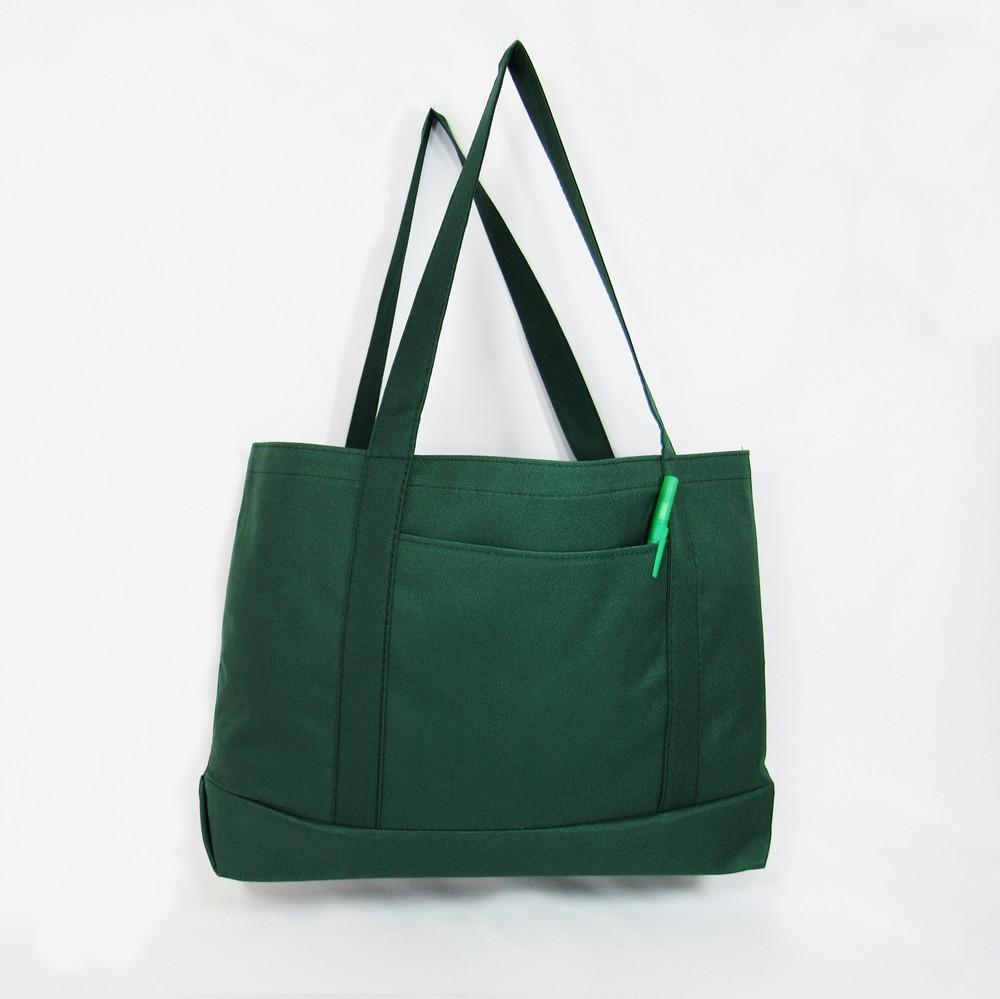
Shopping Tote Bag with PVC Backing
From $2.73
Color Options:
Red Black Forest Green Navy Royal
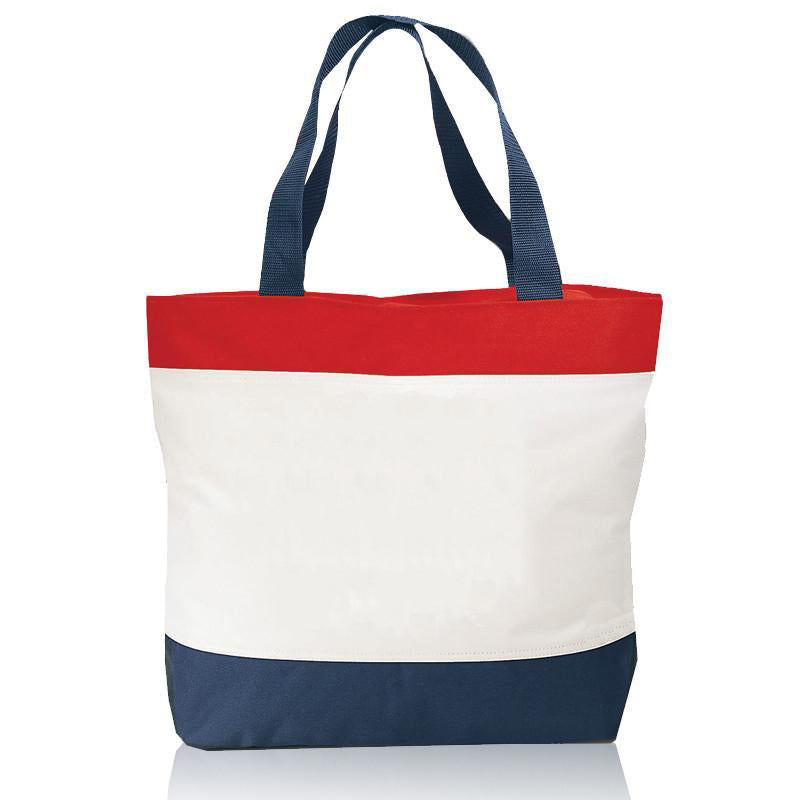
Tri-Color Poly Zipper Beach Tote Bag
From $5.24
Color Options:
Red/Navy Red Royal
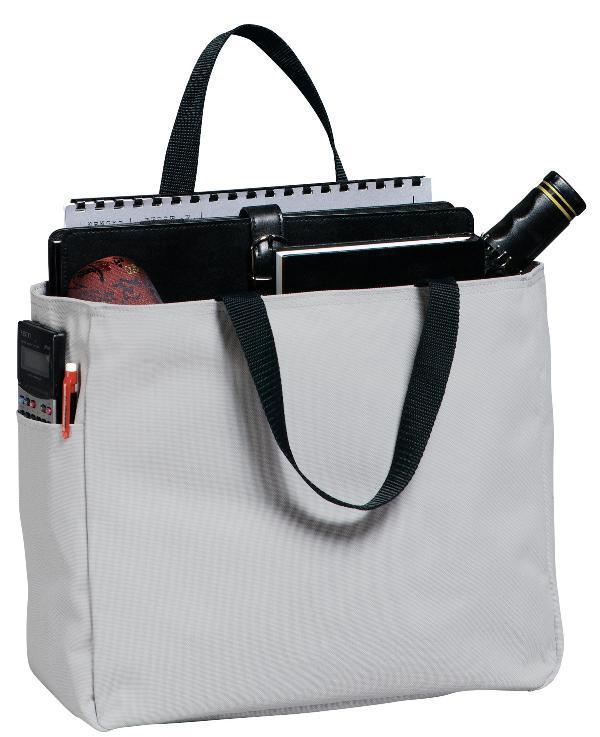
From $4.93
Color Options:
Black Heather Grey Chrome White Charcoal +13 Colors
What Material is Polyester Fabric made of?

Polyester fabric is made from synthetic polymers derived from petroleum-based chemicals. The primary material used in polyester is polyethylene terephthalate (PET). The polymer is created through a chemical reaction between purified terephthalic acid and ethylene glycol. The raw materials are sourced from crude oil refining and processed through polymerization to form strong and durable plastic threads. The threads are then melted and spun into fibers used in weaving or knitting polyester textiles.
Polyester fabric consists of man-made fibers and contains no natural fiber content. The composition ranges from 100 percent polyester to polyester blends that mix with cotton, rayon, or spandex. Pure polyester fabrics are known for their strength, wrinkle resistance, and quick-drying properties. Polyester blends enhance comfort, breathability, and elasticity in garments. For example, polyester-cotton blends combine the durability of synthetic fibers with the softness of natural cotton.
Polyester is in clothing, home furnishings, industrial fabrics, and medical textiles. The fabric's resistance to shrinking, stretching, and abrasion has made it one of the used synthetic fabrics worldwide. The fiber is recyclable, though the process requires high energy and produces environmental concerns. Polyester's low maintenance and affordability make it desirable despite being synthetic. The polyester material is valued for its durability and versatility across various industries. What is polyester made of involves synthetic polymers derived from petroleum-based chemicals, polyethylene terephthalate (PET), formed through chemical bonding of purified terephthalic acid and ethylene glycol.
How is Polyester Fabric Made?
Polyester fabric is made through a multi-step process that begins with the petroleum refining. Crude oil is processed to extract ethylene, which is then combined with purified terephthalic acid to produce polyethylene terephthalate. PET is the compound that forms the basis of polyester. Polymerization bonds the chemicals under heat and pressure to create long molecular chains. The plastic is formed, cooled, and cut into chips. The chips are then melted and extruded through spinnerets to form continuous filaments. The filaments are then stretched to improve strength and put onto spools. The fibers are later woven or knitted into polyester fabric, depending on the desired end use.
Polyester is produced using industrial machinery in facilities designed to handle high-volume polymer synthesis. Fabrics are dyed, heat-set, and chemically finished after extrusion. Colorfastness, durability, and texture are enhanced at each stage. Manufacturing plants maintain strict control over temperature, pressure, and chemical ratios to ensure fiber uniformity and consistency in quality across production batches.
Polyester production is conducted in countries with large-scale petrochemical industries and advanced textile infrastructure. China leads global output, followed by India, the United States, South Korea, and Taiwan. The regions have access to raw petroleum, skilled labor, and established logistics networks, making them suitable for continuous production. Polyester remains one of the world's manufactured synthetic fibers due to its efficiency, durability, and compatibility with large-scale operations. Polyester woven fabric is used in clothing, upholstery, and industrial textiles because of its strength, dimensional stability, and resistance to wear
What are the Types of Polyester Fabrics?
The types of polyester fabrics are listed below.
- PET (Polyethylene Terephthalate): PET (Polyethylene Terephthalate) is the most common type of polyester, created through the polymerization of ethylene glycol and terephthalic acid. PET offers high tensile strength, excellent resistance to stretching and shrinking, and maintains dimensional stability even under high temperatures. Textile manufacturing, packaging, and industrial fibers utilize it due to its cost efficiency and durability.
- PCDT (Poly-1,4-Cyclohexylene-Dimethylene Terephthalate): PCDT (Poly-1,4-Cyclohexylene-Dimethylene Terephthalate) is a variant of polyester engineered for greater elasticity and resilience. The fabric offers superior flexibility and durability under tension compared to PET, making it an ideal material for upholstery and drapery applications that require enhanced softness and strength. Different types of polyester fabric, such as PCDT, serve markets that demand more flexible and soft-touch materials.
- Microfiber Polyester: Microfiber Polyester is a refined polyester made from fragile, thinner fibers than human hair. Microfiber polyester fabric offers a smooth, soft finish and a dense weave, making it ideal for applications that require hypoallergenic properties, high moisture absorption, and exceptional softness. The fabric is used in cleaning clothes, athletic wear, and bedding. The types of polyester fabric using microfiber are valued for their softness and precision in technical applications.
- Recycled Polyester (rPET): Recycled Polyester (rPET) is produced by processing post-consumer plastic waste, primarily PET bottles, into reusable polyester fibers. rPET offers nearly identical performance to virgin polyester while significantly reducing environmental impact. Recycled tote bags made from rPET are lightweight, reusable, and durable. The recycled bags support eco-conscious branding by promoting waste reduction, conserving non-renewable resources, and aligning with sustainable production values.
What does 100% Polyester mean?
100% polyester means the fabric is made from synthetic polyester fibers without blending other materials. The base polymer used is polyethylene terephthalate, which is derived from petroleum-based chemicals and formed through a controlled polymerization process. The composition results in a textile with consistent fiber properties across the entire material, including durability, resistance to wrinkling, and quick drying. Polyester from a pure formulation is used for industrial, fashion, and home furnishing applications due to its low moisture absorbency and strong dimensional stability. Lacking natural fibers in 100% polyester makes it less breathable than blended fabrics but enhances its resistance to shrinking, abrasion, and environmental conditions. Maintenance is easier since the fabric retains its shape and color even after repeated washing and exposure to sunlight. Manufacturers rely on 100% polyester fabric to produce garments, upholstery, flags, and packaging textiles where long-term durability is prioritized. The clarity of the term ensures that buyers and suppliers understand the fabric contains no cotton, rayon, or other natural or synthetic components.
What is Polyester used for?

Polyester fabric is used for different purposes because of its durability, resistance to stretching, and quick-drying nature. Polyester fabric's synthetic composition is engineered for specific applications, ranging from lightweight clothing to industrial-strength materials. The ability to blend with other fibers, retain shape, and maintain color makes polyester a versatile option across multiple industries.
The uses of polyester are listed below.
- Bag: Polyester is used for tote bags due to its strength, lightweight nature, and resistance to tearing. Polyester supports high-resolution printing, making it ideal for branding and customization. Recycled polyester is chosen for eco-friendly bag production, appealing to sustainable markets and offering long-lasting reusability.
- Apparel: Polyester is used in sportswear, uniforms, and casual clothing. Polyester offers excellent wrinkle resistance, dries quickly, and retains color after multiple washes. The fiber structure supports comfort and durability in active and high-use clothing categories. The Best Totes made from polyester reflect the qualities by offering durability, environmental value, and performance in daily consumer use.
- Home Textiles: Polyester is used in bed sheets, curtains, upholstery, pillow covers, and carpets. Polyester resists shrinking and fading, making it suitable for long-term household use. The fiber maintains structure and appearance even after extended cleaning cycles.
- Outdoor Gear: Polyester is used in tents, backpacks, jackets, and sleeping bags. Polyester is valued for water resistance, UV protection, and strength under varying weather conditions. Outdoor textiles require durable performance, and polyester meets the standards through engineered weaves and coatings.
- Industrial Textiles: Polyester is used in conveyor belts, tire reinforcements, safety belts, and filtration fabrics. Polyester supports mechanical strength, chemical resistance, and stability under pressure and heat. Industrial applications demand reliability, and polyester delivers consistent output in performance-based settings.
- Automotive Interiors: Polyester is used in car seat covers, carpets, and roof liners. The fabric supports long-term use by resisting stains and maintaining color integrity. Polyester's resistance to abrasion ensures comfort and functionality in high-contact environments.
- Medical Textiles: Polyester is used in hospital bedding, gowns, and surgical drapes. The fiber tolerates high-temperature sterilization and retains hygiene standards. Polyester is preferred in healthcare due to its durability, resistance to microbial contamination, and ease of cleaning.
- Flags and Banners: Polyester is used for national flags, promotional banners, and display materials. The fabric offers excellent color retention, wind resistance, and quick-drying properties. Polyester supports high-quality printing and is suitable for indoor and outdoor display.
- Luggage and Travel Accessories: Polyester is used in suitcases, travel pouches, and cosmetic bags. Polyester abrasion resistance and lightweight construction provide practicality during frequent handling. The material ensures protection against moisture and wear during transport.
- Furniture Upholstery: Polyester covers sofas, chairs, and office seating. The polyester fabric delivers strong stain resistance and maintains shape with continuous use. Blended versions improve softness while retaining structural performance. Commercial and residential upholstery are key polyester uses in interior design.
Is Polyester a Good Material for Clothes?
Yes, polyester clothing is a good material for clothes. The fabric delivers strong resistance to wrinkles, shrinkage, and fading, making it reliable for daily wear and frequent washing. Polyester holds color well, which supports long-term vibrancy in garments. The fiber is lightweight, quick-drying, and suitable for layering, making it ideal for activewear and outdoor apparel. Blended polyester fabrics improve comfort while maintaining durability and shape retention. The fabric's low moisture absorbency helps reduce sweat saturation, supporting better dryness during physical activity. Polyester is used in shirts, pants, jackets, dresses, and uniforms due to its consistent texture, affordability, and adaptability across seasons. Polyester engineered fibers provide a smooth feel and versatile appearance, from glossy formal styles to casual knitwear. Polyester remains a used textile in the global fashion and commercial clothing sectors.
100 percent polyester is not bad and has specific pros and cons, such as being wrinkle-resistant and fast-drying, but it is less breathable and prone to holding odors. Polyester offers durability, color retention, and shape retention, making it suitable for daily wear and active use. Polyester dries quickly, does not shrink, supports vibrant dyeing with long-lasting prints, and is lightweight, cost-effective, and easy to maintain. The fabric lacks softness compared to natural fibers, traps heat and moisture, generates static, and holds odors. Environmental concerns exist due to its petroleum origin, non-biodegradability, and contribution to microplastic pollution during washing. Polyester value depends on the application and use of recycled alternatives. The polyester clothing remains widely used in modern apparel for its consistent quality, practicality, and long-lasting performance.
Is Polyester Fiber a Good Choice for Bags
Yes, polyester fiber is a good choice for bags. The material is strong, lightweight, and resistant to stretching, making it ideal for everyday use and heavy contents. Polyester fiber offers excellent resistance to water, stains, and abrasion, supporting long-term durability in various conditions. The smooth surface allows for high-quality printing, which is important for promotional tote bags and branded merchandise. Polyester fiber does not absorb much moisture, helping the bag stay dry and odor-free. The fabric retains shape after frequent handling and washing, making it suitable for reusable grocery bags, travel bags, and backpacks. Recycled polyester fiber is used in eco-friendly bags, providing a sustainable option without compromising strength or performance. Polyester fiber supports mass production, ease of maintenance, and long-term utility, making polyester bags a material used in the bag manufacturing industry.
What are the Characteristics of Polyester Fabric?

The characteristics of Polyester fabric are listed below.
- Lightweight: Lightweight fabric that feels comfortable and is suitable for activewear and warm climates.
- Wrinkle Resistant: Wrinkle-resistant surface that maintains a smooth, neat look without ironing.
- Quick Drying: Quick drying enables faster moisture evaporation than cotton or wool, contributing to one of the practical characteristics of polyester in sportswear and outdoor gear.
- Colorfast: Colorfast nature that retains dye and resists fading even under prolonged sun exposure.
- Shape Retention: Shape retention ability that helps the fabric maintain its original structure without sagging.
- Moisture Resistant: Moisture-resistant fibers that absorb minimal water and stay dry under most conditions.
- Abrasion Resistant: Abrasion resistant quality that withstands friction and surface wear in high-use environments.
- Durable: Durable composition that resists stretching, tearing, and repeated washing over time, making it a strong fabric for bags and other heavy-use items.
- Stain Resistant: Stain-resistant material that prevents easy absorption of spills and makes cleaning easier.
- Low Breathability: Low breathability that reduces airflow and increases heat retention in warmer temperatures, representing one of the limiting polyester fabric characteristics in hot climates.
What are the Properties of Polyester Fabric?
The properties of polyester fabric are listed below.
- High Tensile Strength: High tensile strength prevents stretching, tearing, or deformation under tension, making it suitable for heavy-duty applications.
- Chemical Resistant: Chemical resistant surface withstands exposure to oils, acids, solvents, and alkaline substances without degrading.
- Thermal Stability: Thermal stability allows the fabric to retain its form and integrity under moderate heat, which supports performance in industrial and technical environments.
- UV Resistant: The UV-resistant property protects the fibers from degradation due to prolonged sunlight exposure, making them useful for outdoor textiles.
- Hydrophobic Nature: The hydrophobic nature of the polyester repels water, facilitating quick drying and increasing comfort, while reducing microbial buildup, making it one of the most practical polyester properties in moisture control.
- Non-Biodegradable: Non-biodegradable structure gives the fiber long-lasting resilience but contributes to environmental persistence if not recycled.
- Elastic Recovery: Elastic recovery enables the fabric to return to its original shape after stretching, maintaining garment structure over time.
- Dimensional Stability: Dimensional stability ensures the fabric does not shrink or distort after washing or prolonged use, which remains a dependable aspect of polyester fabric properties.
- Non-Allergenic: The non-allergenic quality reduces the risk of skin irritation, making it suitable for sensitive applications such as medical or sleepwear textiles.
What does Polyester look like?
Polyester fabric has a smooth, even surface with a consistent texture and a slight natural sheen under light. The finish varies from glossy to matte, depending on the manufacturing process and the type of weave or knit. Raw polyester fibers are fine, round, and uniform, contributing to a polished appearance when woven. The color appears vibrant due to strong dye affinity, resulting in rich, saturated tones. Polyester fabric is uniform in appearance, lacking the irregularities found in natural fibers. Sportswear, linings, lightweight jackets, synthetic flags, reusable totes, and formal wear exhibit a consistent weave and finish. The appearance of polyester is engineered to mimic silk, cotton, or wool, providing visual versatility. The appearance remains stable over time, resisting pilling and fading, contributing to a clean and durable look.
Polyester feels smooth, firm, and slightly cool, depending on its finish and structure. The fiber has a slick surface that reduces friction against the skin. Woven polyester has a crisp, taut texture, while brushed versions feel softer and more velvety. The fabric lacks the natural softness of cotton or wool, but compensates with uniform texture and low moisture absorption. Polyester offers a stretchy and flexible feel, making it ideal for active garments in knit forms. Texturizing or blending modifies how the fabric interacts with the skin, enhancing softness or adding grip. Polyester retains its tactile properties after repeated washing, providing a consistent touch that supports comfort and structure.
Is Polyester Fabric Water Resistant?
Yes, polyester fabric is water resistant. The fiber structure has low moisture absorbency, which prevents water from soaking into the material. The surface tension of the synthetic fibers causes water to bead up and roll off instead of being absorbed. The characteristic is further improved when treated with water-repellent coatings. Polyester fabric is used in products that require protection against light rain or splashes without compromising breathability or flexibility. Moisture exposure is frequent in environments where the product performs well. Polyester is ideal for beach bags because it resists water penetration from wet towels, swimsuits, or sand. The material dries quickly after being soaked, which prevents mold and odor buildup. The fabric is lightweight and easy to clean, making it suitable for daily handling. Polyester retains color well, allowing for bright, fade-resistant designs. The qualities make polyester fabric a reliable material for Beach Totes, and it requires durability, moisture protection, and visual appeal.
Is Polyester Fiber Natural or Synthetic?
No, polyester fiber is not natural material. Polyester fiber is a fully synthetic material made from petroleum-based chemicals. The production process involves polymerizing purified terephthalic acid and ethylene glycol to create polyethylene terephthalate. The compound is extruded, cooled, and spun into long, continuous filaments to produce fabric. Polyester is not derived from plants or animals like natural cotton, wool, or silk. The industrial processing of the fabric enables specific traits, such as water resistance, wrinkle resistance, and high tensile strength. Polyester fiber is valued for its uniformity, durability, and adaptability across applications in apparel, home furnishings, and industrial textiles. Synthetic manufacturers control their performance characteristics, making polyester fiber an ideal choice for mass production and specialized applications and specialized use.

