

Non-woven fabric is a textile that bonds fibers together without weaving or knitting, forming a fabric through mechanical, thermal, or chemical processes. Lightweight structure, breathability, strength, and flexibility are characteristics of non-woven fabric, with properties tailored to specific uses. Non-woven fabric is produced by preparing fibers, laying them into a web, and bonding them through spunbonding, melt-blowing, needle punching, or hydroentangling. The origin of non-woven fabric traces back to the mid-20th century, with initial uses focused on industrial and medical applications due to its disposable and hygienic nature. The transition of non-woven fabric into bag manufacturing emerged as the material’s durability, cost-effectiveness, and versatility became valued for tote bags and reusable shopping bags. Spunbond, melt-blown, needle-punched, and hydroentangled varieties are common types of non-woven material, each suited for different functional demands. Light weight, strength, recyclability, and customization options are key benefits of non-woven fabric, making it ideal for tote bags that require durability and environmental friendliness. Non-woven fabric’s adaptability supports a wide range of uses, with its application in tote bags providing a sustainable alternative to traditional textiles.
Tote Bag Factory’s Non-Woven Bags
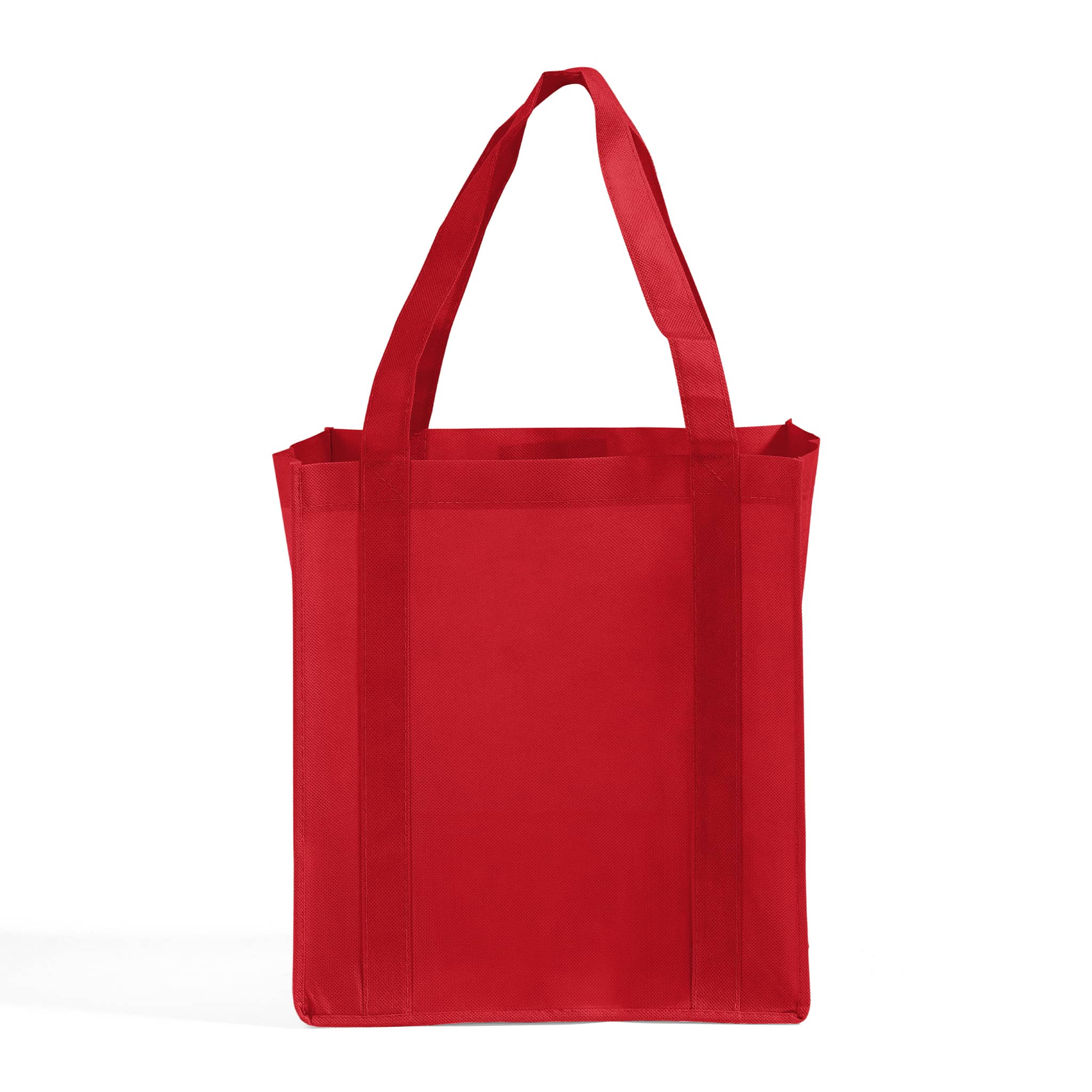
Reusable Grocery Non-woven Bag
From $1.35
Color Options:
Red Khaki White Black Royal +8 Colors
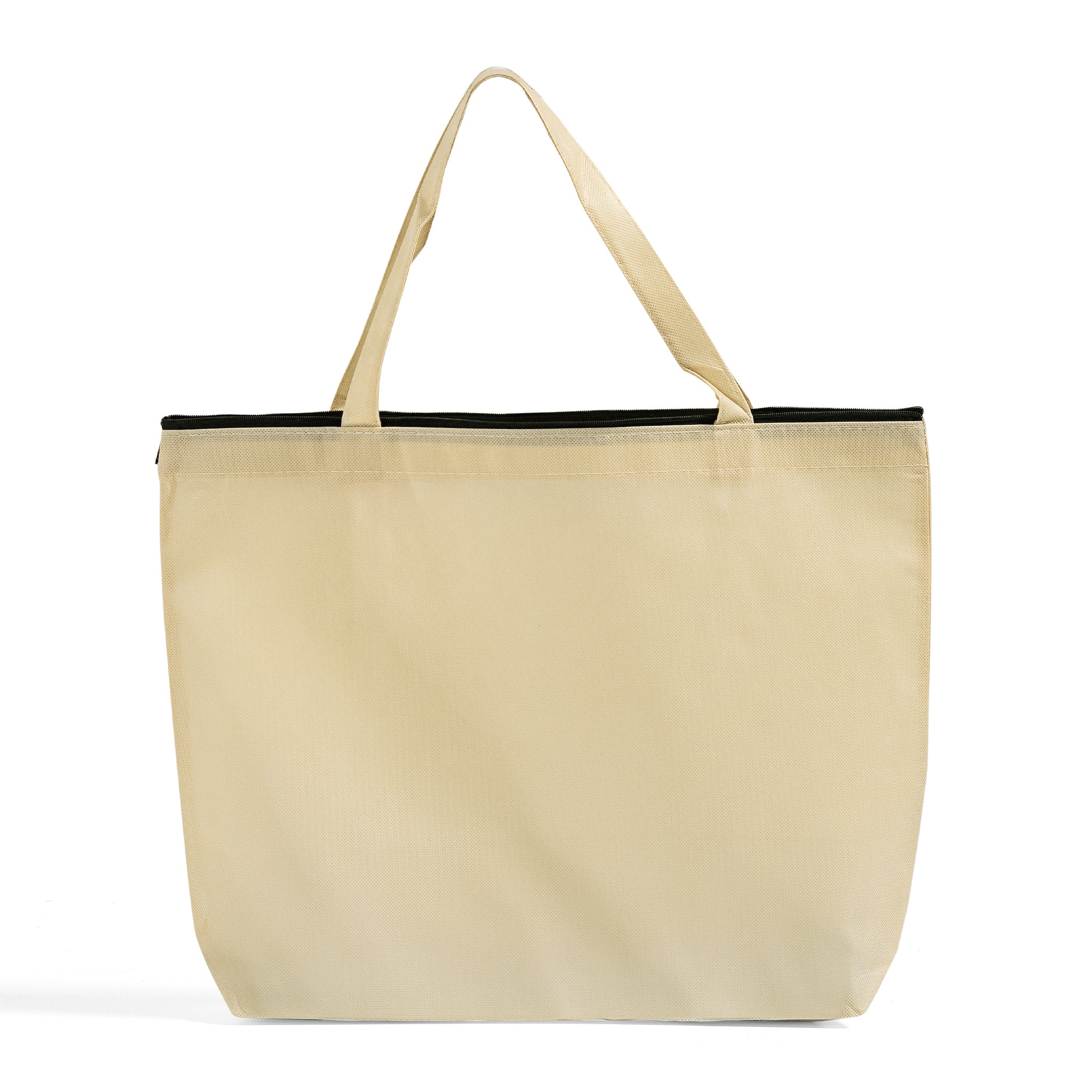
From $0.96
Color Options:
Black Royal Red Natural Navy
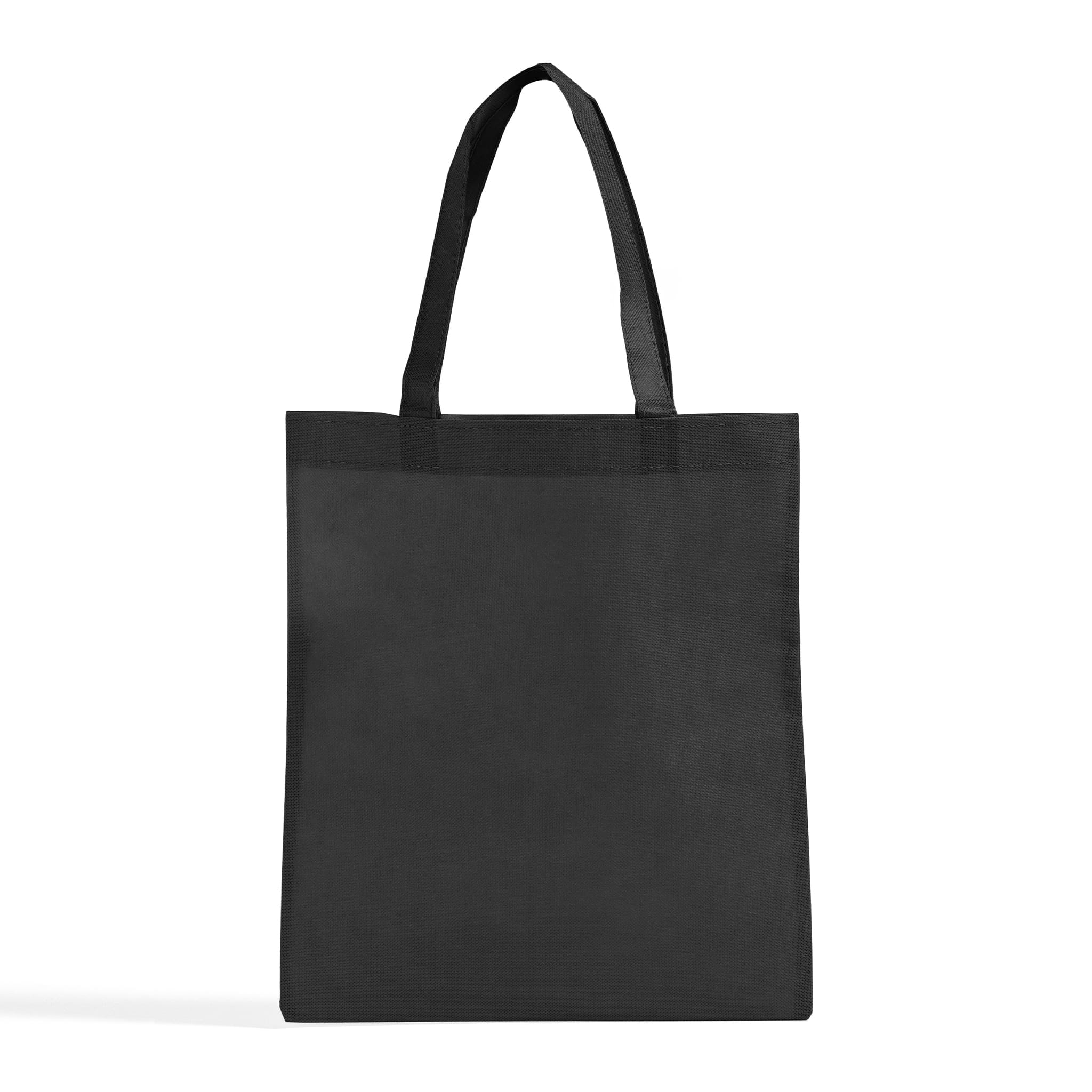
Budget Promotional Non-woven Tote Bag
From $0.59
Color Options:
Black Red Royal Natural White +12 Colors
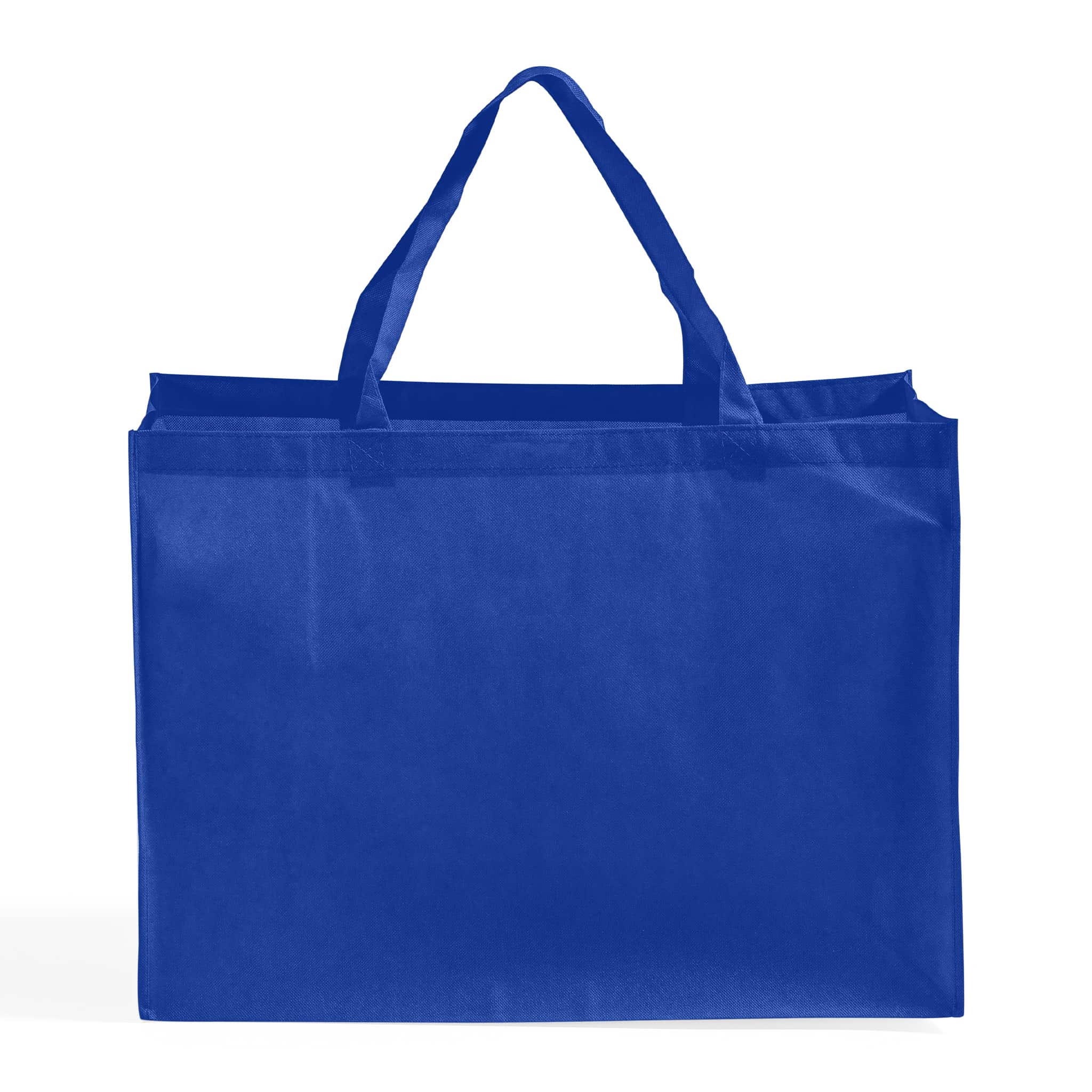
Jumbo Non-Woven Grocery Tote Bag
From $1.82
Color Options:
Black Royal
What Material is Non Woven Fabric made of?

Non-woven fabric is made from synthetic, natural, or a combination of materials. The standard synthetic materials used include polypropylene, polyester, and polyethylene, which offer strength, durability, and resistance to moisture. Cotton, wool, and rayon are natural fibers that serve as raw materials for non-woven fabric production, providing softness and breathability. The fibers in non-woven fabric do not undergo traditional weaving or knitting processes but are bonded together through mechanical, chemical, thermal, or adhesive methods. Polypropylene dominates the industry because of its cost-effectiveness, lightweight nature, and excellent resistance to chemicals and moisture. Polyester fibers improve tensile strength and durability, while polyethylene offers flexibility and water resistance. Natural fibers like cotton improve comfort and biodegradability, making the fabric suitable for medical and hygiene applications. The combination of the materials defines the performance characteristics and suitability of non-woven fabric for various industrial, medical, and consumer uses. The raw material of non-woven fabric and the properties of the non-woven material directly impact its application and effectiveness across different sectors.
How is Non-Woven Fabric Made?
Non-woven fabric is made without weaving or knitting fibers together. The fibers are instead bonded through mechanical, thermal, or chemical methods that create a fabric structure without interlacing yarns. Mechanical bonding involves entangling fibers using needles or water jets to form a cohesive web. Thermal bonding uses heat to fuse thermoplastic fibers, producing a strong and flexible fabric. Chemical bonding applies adhesives or binders to hold fibers in place, increasing durability and stability. The processes define non-woven fabric by forming a continuous sheet directly from fibers, distinguishing it from traditional woven or knitted textiles. The production methods determine the fabric's texture, strength, and application across industries such as medical, automotive, and hygiene products. The unique manufacturing process of non-woven fabric allows for versatility and efficiency in producing lightweight, breathable, and cost-effective materials.
What is the Non-Woven Fabric Manufacturing Process?
The non-woven fabric manufacturing process consists of multiple stages, beginning with fiber preparation and ending with finishing treatments. The first stage involves selecting and preparing fibers, which are synthetic or natural, to ensure uniformity and quality. The fibers are then laid out to form a web or batt through carding, air laying, or spunbonding, creating a loose network of fibers. Bonding follows, where the fiber web is consolidated using mechanical techniques like needle punching or hydroentangling, thermal bonding through heat and pressure, or chemical bonding with adhesives. The fabric is then treated with finishing processes that enhance its properties, such as softness, strength, water resistance, or flame retardancy to suit specific applications. Quality control checks occur throughout to maintain consistency and performance standards. The entire manufacturing process allows the production of versatile, cost-effective non-woven fabric suitable for medical, automotive, hygiene, and filtration products. The complexity and sequence of the non-woven fabric manufacturing process determine the material's physical characteristics and functional uses.
What are the Types of Non Woven Fabrics?

The types of non-woven fabrics are classified by fabrication and bonding techniques, creating distinct types with unique characteristics suited for specific applications. Non-woven fabrics undergo different manufacturing methods like spunbonding, which influences their strength, texture, and performance. The variations determine the suitability of non-woven fabrics for medical supplies, filtration systems, automotive components, and hygiene products. The diversity of non-woven fabric types reflects the adaptability of production processes to meet functional requirements and industry standards.
The types of Non-Woven fabrics are listed below.
- Spunbond Non-Woven Fabric: Spunbond Non-Woven fabric is produced by extruding continuous filaments laid into a web and bonded by heat or pressure. Spunbond Non-Woven Fabric offers high strength and durability suitable for applications like geotextiles and medical gowns.
- Melt-Blown Non-Woven Fabric: Melt-Blown Non-Woven fabric is created by extruding molten polymer through fine nozzles with high-velocity air to form microfibers, resulting in a fabric with fine filtration properties used in masks and filters.
- Chemical-Bonded Non-Woven Fabric: Chemical-bonded Non-Woven fabric is manufactured by applying adhesives or binders to fiber webs to hold fibers together, providing softness and flexibility for products such as wipes and insulation.
- Needle-punched Non-woven Fabric: Needle-punched Non-woven fabric is formed by mechanically entangling fibers through repeated needle punching, producing a dense, durable fabric used in carpets, automotive interiors, and geotextiles.
- Hydroentangled Non-Woven Fabric: Hydroentangled non-woven fabric is made of entangled fibers with high-pressure water jets, yielding a soft, strong fabric used in medical wipes and hygiene products.
- Thermally Bonded Non-Woven Fabric: Thermally Bonded Non-Woven fabric is created by bonding fibers using heat and pressure without adhesives, resulting in a lightweight, strong material commonly utilized in disposable garments and filters.
- Air-Laid Non-Woven Fabric: Air-laid Non-Woven fabric is formed by dispersing fibers in an air stream and depositing them onto a moving belt. Air-laid Non-Woven fabric creates a soft, bulky fabric for absorbent products like diapers and feminine hygiene items.
- Spunlace Non-Woven Fabric: Spunlace Non-Woven fabric is produced through hydroentanglement, creating a textile-like softness and strength fabric. Spunlace Non-Woven fabric is favored for wipes, medical dressings, and personal care products.
- Wet-Laid Non-Woven Fabric: Wet-Laid Non-Woven fabric is manufactured by suspending fibers in water and then depositing them onto a screen to form a sheet, similar to paper-making, applied in filters and disposable hygiene products.
- Composite Non-Woven Fabric: Composite non-woven fabric combines two or more layers of different types of non-woven fabric or other textiles to achieve better performance. Composite non-woven fabric is used in roofing, automotive, and protective clothing.
What is the difference between Woven and Nonwoven Fabric?
The difference between woven and nonwoven fabric lies in their structure and manufacturing process. Woven fabric is created by interlacing two sets of yarns at right angles, producing a strong, durable material with a defined grain and elasticity along the warp and weft directions. Nonwoven fabric forms through bonding or entangling fibers using mechanical, thermal, or chemical methods, resulting in a fabric without a traditional weave pattern. The key differences are strength, durability, breathability, and cost. Woven fabrics offer higher tensile strength and better abrasion resistance, making them suitable for applications requiring long-term use and resilience. Nonwoven fabrics excel in filtration, insulation, and disposability due to their ability to incorporate fibers and customizable thickness. Production speed and material versatility influence the choice between nonwoven and woven fabric. Non-woven fabric provides benefits in cost efficiency and specialized performance characteristics like water resistance and softness, while woven fabric has aesthetic appeal and structural integrity advantages. The distinction lies in the fabric construction, which drives differences in applications and advantages for each type.
What is Non Woven used for?

Non-woven fabric is used for various purposes, including apparel and fashion, hygiene products, the automotive industry, medical applications, agriculture, and packaging, due to its unique properties and versatile manufacturing processes. Non-woven fabric strength, texture, permeability, and durability are tailored to meet specific functional needs. The ability to engineer non-woven fabric for breathability, absorbency, softness, or barrier protection makes it suitable for diverse industries. The adaptability allows non-woven fabric to fulfill performance requirements while remaining cost-effective and easy to produce. The wide range of uses highlights the material’s importance in modern manufacturing, including its role as a textile material for bags.
The uses of Non-woven are listed below.
- Apparel and Fashion: Apparel and Fashion uses non-woven fabric in disposable garments, interfacing in tailoring, and fashion accessories, providing lightweight and breathable properties without sacrificing durability.
- Hygiene Products: Hygiene Products incorporate non-woven fabric in diapers, sanitary napkins, and wipes, where absorbency, softness, and disposability are essential for consumer comfort and hygiene.
- Automotive Industry: The Automotive Industry employs non-woven fabric in vehicle interiors, insulation, and filtration systems. Non-woven fabric offers sound absorption, thermal insulation, and lightweight characteristics.
- Medical Applications: Medical Applications rely on non-woven fabric for surgical gowns, masks, and drapes, delivering the barrier protection, breathability, and sterility required for medical safety.
- Agriculture: Agriculture uses non-woven fabric to support crop protection, soil stabilization, and weed control, enhancing growth conditions while allowing air and water passage.
- Home Furnishings: Home Furnishings incorporate non-woven fabric in mattress covers, upholstery backing, and curtains, contributing to durability and aesthetic appeal.
- Filtration: Filtration utilizes non-woven fabric in air and liquid filters, enabling efficient particle capture through fine fiber structures.
- Construction: Construction uses non-woven fabric in roofing, insulation, and geotextiles, providing strength, drainage, and separation functions critical for building longevity.
- Packaging: Packaging employs non-woven fabric uses in protective packaging and reusable bags, offering durability, lightweight design, and eco-friendly alternatives to plastics.
- Industrial Uses: Industrial Uses involve non-woven fabric cleaning wipes, protective clothing, and insulation materials, providing performance under demanding conditions.
How to Choose the Right Non Woven Fabric for Tote Bags?
To choose the right Non-woven fabric for tote bags,follow the eight steps below.
- Determine the Bag’s Purpose. Identify whether the non-woven bags are used for shopping, promotional events, or heavy-duty carrying to select appropriate fabric strength and durability.
- Select the Right GSM. Choose a fabric with suitable grams per square meter (GSM) value that matches the non-woven bags' required sturdiness and weight capacity.
- Consider Environmental Impact. Choose biodegradable or recyclable non-woven fabrics to reduce environmental footprint and appeal to eco-conscious consumers.
- Evaluate Fabric Texture and Appearance. Pick a texture that aligns with the desired aesthetic, whether smooth for printing designs or rougher for enhanced grip.
- Check Water Resistance. Use water-resistant or waterproof non-woven fabrics if the non-woven tote bags need protection against moisture or outdoor conditions.
- Assess Cost and Availability. Compare fabric costs and availability to meet budget constraints without compromising quality.
- Test Fabric Compatibility with Printing Methods. Verify that the chosen fabric supports the intended printing technique for logos or designs, such as screen printing or heat transfer.
- Review Fabric Strength and Tear Resistance. Confirm that the non-woven fabric withstands expected wear and tear during regular use.
Is Non-Woven a Good Material for Clothing?
Yes, non-woven fabric is a good material for clothing. Non-woven fabric offers lightweight, breathable, and cost-effective qualities that suit disposable, medical, and protective clothing. Providing barrier protection against liquids and particles makes it valuable in healthcare settings. The fabric’s flexibility allows comfortable wear for short-term use while maintaining hygiene standards. Non-woven fabric lacks the durability and elasticity required for everyday fashion garments. The choice of non-woven cloth in clothing depends on its intended use, with its strengths in single-use, hygienic, and protective applications rather than long-term wear. Non-woven fabric’s properties make it a practical solution for specialized clothing needs.
Is Non Woven Fiber a Good Choice for Bags?
Yes, non-woven fiber is a good choice for bags due to its strength, durability, and lightweight nature. Non-woven fiber allows the production of bags that withstand daily use while remaining cost-effective and environmentally friendly when made from recyclable materials. The material’s water and tear resistance enhance bag longevity, making it suitable for shopping bags, promotional totes, and reusable carry bags. The Non-woven bags offer design flexibility, allowing customization through printing and coloring. Its breathability helps reduce moisture buildup inside bags, preserving contents. The combination of practical features and affordability makes non-woven fiber an ideal material for various types of bags. Non-woven fiber’s versatility supports the growing demand for sustainable and durable packaging solutions, making them suitable for high quality tote bags.
What are the Characteristics of Non-Woven Fabric?
The characteristics of Non-Woven fabric are listed below.
- Lightweight: Lightweight non-woven fabric is low-weight, making it easy to handle and suitable for applications where reducing material mass is important.
- Breathable: Breathable non-woven fabric allows air and moisture vapor to pass through, improving comfort in clothing and hygiene products.
- Strong and Durable: Strong and durable non-woven fabric exhibits high tensile strength and resistance to tearing, ensuring longevity in various uses, including industrial and medical applications.
- Soft Texture: Soft texture in many types of non-woven fabric provides a gentle, smooth surface, making them appropriate for personal care and medical textiles.
- Water Resistance: Water-resistant non-woven fabrics prevent water penetration, protecting contents or wearers from moisture exposure.
- Cost-Effective: Cost-effective production methods for non-woven fabric allow large-scale manufacturing at lower costs than woven textiles.
- Customizable: Customizable non-woven fabric engineered for specific properties such as flame retardancy, antibacterial treatment, or elasticity.
- Eco-Friendly Options: Eco-friendly non-woven fabrics use biodegradable fibers or recyclable materials, supporting sustainability goals.
- Thermal Insulation: Thermal insulation properties in non-woven fabric make it useful in construction and automotive applications.
- Chemical Resistance: Chemical-resistant non-woven fabrics withstand chemical exposure, extending usability in protective clothing and filtration.
How Durable is Non Woven Polypropylene Fabric?
Non-woven polypropylene fabric is highly durable and known for its strong tearing, abrasion, and stretching resistance. The Non-woven polypropylene fibers create a robust network that maintains structural integrity under mechanical stress, making the fabric suitable for repeated use in demanding environments. The durability of polypropylene non-woven fabric supports its wide application in bags, medical supplies, and industrial textiles where strength and longevity are critical. The fabric’s functional performance combines resilience with lightweight properties, allowing it to withstand physical wear without significant degradation. A reliable and tough non-woven polypropylene fabric is the best choice for products that require durable yet economical materials.
Is Spunbond Nonwoven Fabric Recyclable?
Yes, spunbond non-woven fabric is recyclable. The fabric is made from thermoplastic polymers, such as polypropylene, which are processed through standard recycling systems. Recycling spunbond non-woven fabric involves melting and reforming the material into new products, reducing environmental impact by diverting waste from landfills. The fabric's recyclability supports sustainable manufacturing practices in industries using large volumes for medical supplies, packaging, and agriculture. Proper collection and sorting are essential to maintain the quality and effectiveness of recycled fabric. The fabric’s combination of durability and recyclability makes it a practical choice for eco-friendly applications.
Are Nonwoven Textiles Biodegradable?
No, Non-woven textiles are not biodegradable. Non-woven textiles consist of synthetic polymers as polypropylene and polyester, which resist natural decomposition and persist in the environment for extended periods. Non-woven textiles made from natural fibers such as cotton, jute, or viscose offer biodegradable properties due to their organic composition. The biodegradability of non-woven textiles depends on the type of fiber used and chemical treatments applied during manufacturing. Increasing interest in sustainable materials has led to the development of biodegradable non-woven textiles designed to break down rapidly in composting or natural conditions. Commercial non-woven textiles remain non-biodegradable, presenting challenges for waste management and environmental impact. Biodegradable versus synthetic non-woven textiles must align with application requirements and ecological considerations.

