

Polyvinyl chloride (PVC) Fabric is a durable and flexible synthetic textile made from polyvinyl chloride fabric resin. PVC fabric resists water, chemicals, UV rays, and abrasion, making it suitable for bags, accessories, outdoor equipment, upholstery, and furniture. The production involves mixing PVC resin with additives, coating it onto a fabric base, and curing it for strength. PVC material was first used in construction before transitioning to textiles and bags, originating in the early 20th century. Coated, laminated, and transparent polyvinyl fabric are common types, each serving different purposes. The key benefits of PVC fabric for bags include water resistance, lightweight strength, and the ability to maintain shape, making it ideal for tote bags and everyday use.
Tote Bag Factory’s PVC Bags
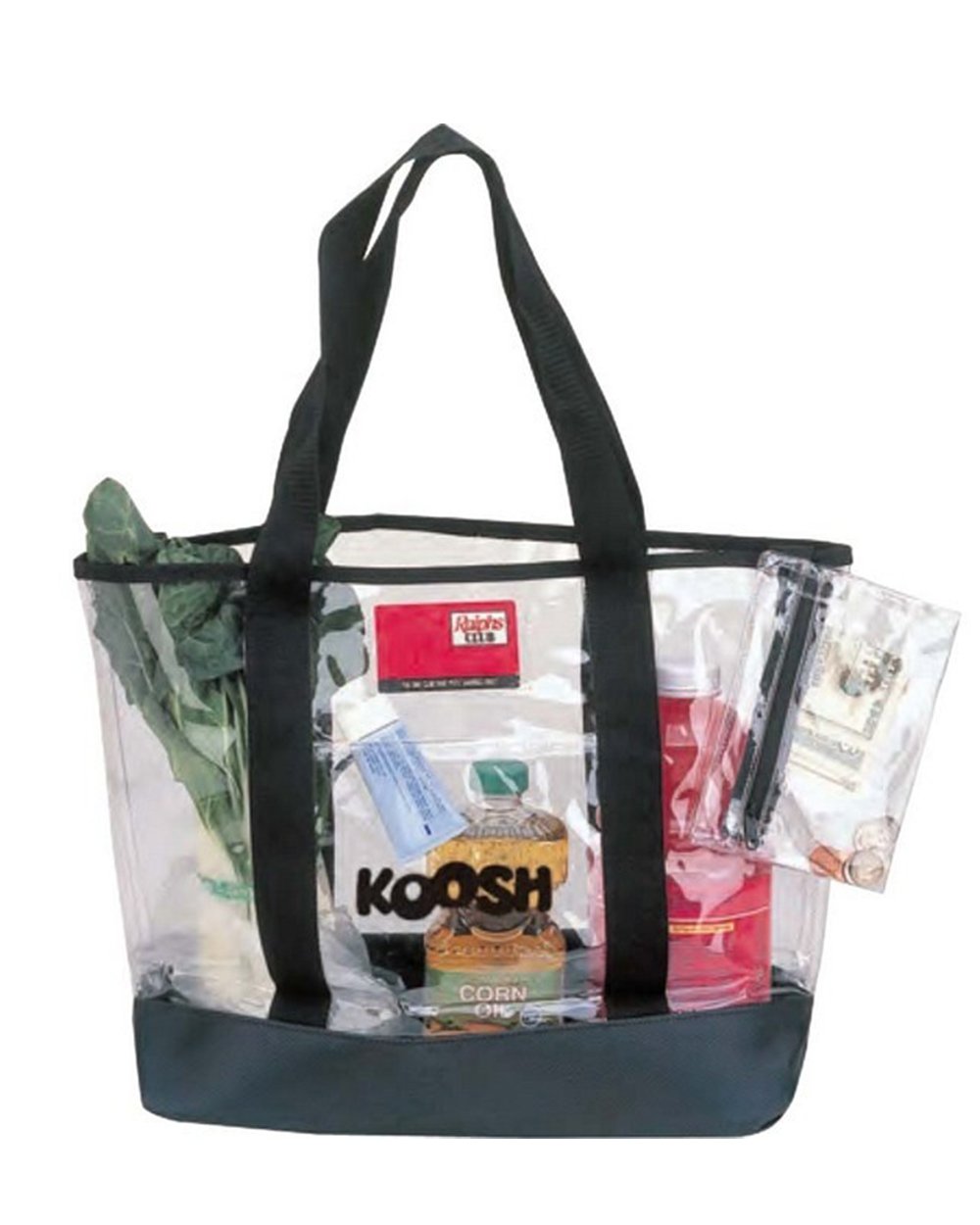
Transparent Clear Tote Bag with Zippered Pouch
From $8.45
Color:
Clear / Black
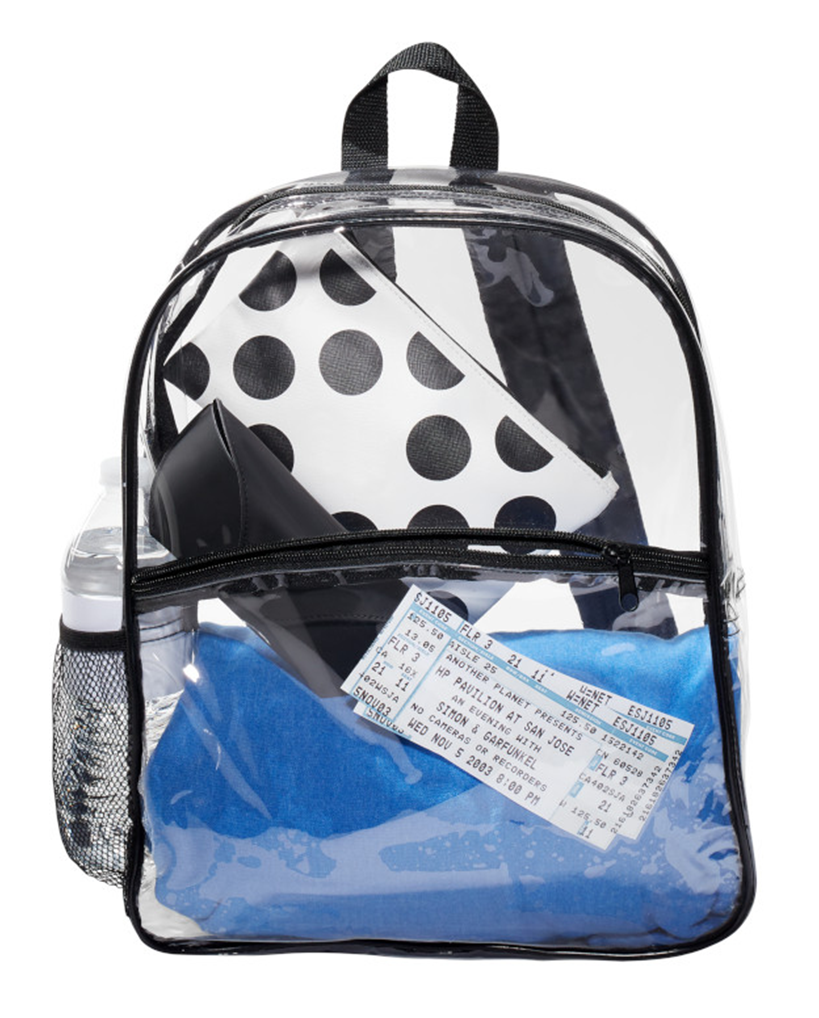
From $11.19
Color:
Clear / Black
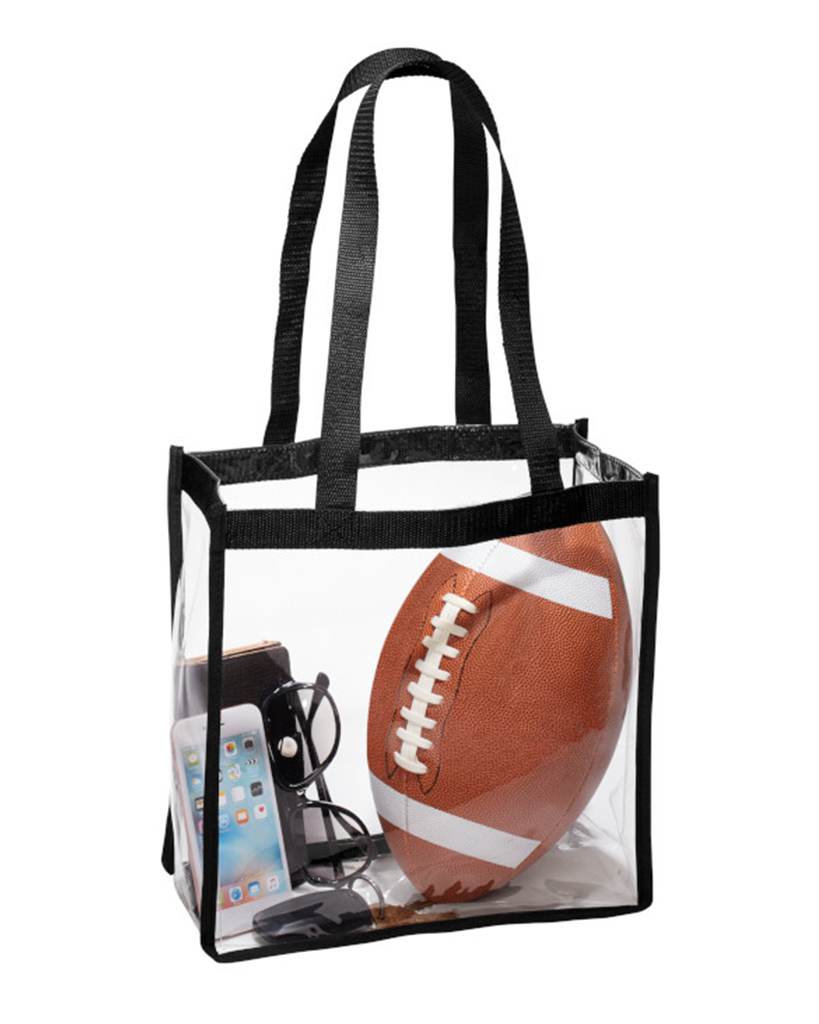
Stadium Approved Clear Tote Bag
From $4.89
Color:
Clear / Black
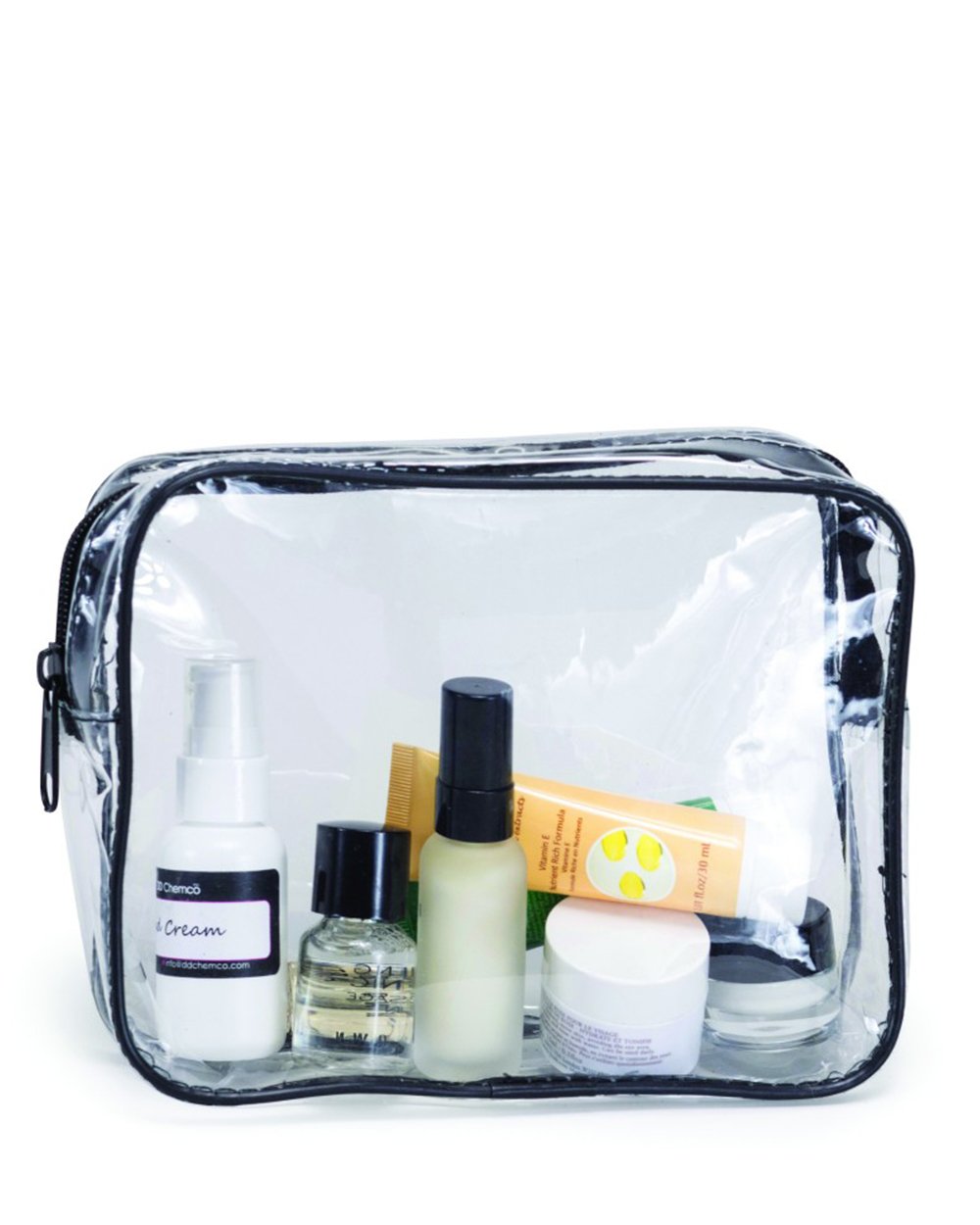
Clear Vinyl Travel Size Makeup Bag
From $3.04
Color:
Clear / Black
What Material is PVC Fabric made of?

The PVC fabric is made of a base fabric coated with PVC material. Polyester, cotton, and nylon are the standard base fabrics. These base fabrics provide the final product with strength and flexibility. The PVC coating applied on top adds durability, water resistance, and protection. The combination creates a fabric that is strong and long-lasting, suitable for bags, accessories, and furniture.
How is PVC Fabric Made?
PVC fabric is made by combining a base textile with a layer of PVC fabric coating. The base textile is polyester or cotton, which provides the fabric’s strength and flexibility. The PVC coating is produced by mixing polyvinyl chloride resin with plasticizers and stabilizers to create a flexible, durable material. The mixture is applied to the base fabric through processes like calendering or coating. Manufacturing of PVC fabric occurs in countries with strong textile and chemical industries, such as China, India, and European nations.
Is PVC Fabric made from Plastic Material?
Yes. PVC fabric is made using plastic fabric material because its coating is derived from polyvinyl chloride, a type of plastic. The fabric is not purely plastic, and it consists of a base textile, such as polyester or cotton, which provides strength and flexibility. The plastic coating is applied over the base to create a durable and water-resistant surface. PVC fabric combines natural or synthetic fibers with a plastic layer, distinguishing it from solid plastic materials.
What are the different Types of PVC Fabrics?
The different Types of PVC Fabrics are listed below.
- PVC Coated Non-Woven Fabric: Features a soft, flexible texture created by bonding fibers without weaving. PVC coated non woven fabric is used in medical and disposable products due to its breathability and lightweight nature. The coating adds durability and water resistance to the non woven fabric base.
- PVC-Coated Woven Fabric: The fabric is created by applying PVC to a woven fabric made by interlacing threads in a structured pattern. It offers high strength and durability, making PVC-coated woven fabric suitable for outdoor applications like tarpaulins and tents. The PVC layer improves the woven fabric’s resistance to weather and wear.
- Transparent PVC Fabric: Clear material that allows visibility while providing protection. It is used in raincoats, window coverings, and bags where transparency is required without compromising durability. The plastic coating gives the fabric flexibility and water resistance.
- Laminated PVC Fabric: Involves bonding multiple layers of fabric with PVC film, creating a heavier, sturdy textile ideal for industrial uses. The fabric type combines strength, waterproofing, and abrasion resistance.
- Embossed PVC Fabric: Features textured surfaces by pressing patterns into the coated fabric. It is used for decorative purposes in fashion and upholstery, adding style while maintaining durability.
- Flame Retardant PVC Fabric: The fabric is treated with chemicals to resist ignition and slow the spread of fire. It is essential for safety applications in public spaces, transportation, and protective clothing.
What is the difference between PVC and Vinyl Fabric?
The difference between PVC and Vinyl Fabric is in their composition and applications. PVC fabric is made by coating a base material with polyvinyl chloride, creating a thick, durable, and waterproof textile. Vinyl Fabric is a broader category that includes various plastic-coated textiles, made with softer or more flexible materials. PVC fabric tends to be stronger and more rigid, making it suitable for heavy-duty uses like tarps, bags, and upholstery. Vinyl Fabric is flexible and used in clothing, accessories, and decorative items. The key advantage of PVC fabric lies in its durability and resistance to weather, while vinyl fabric excels in versatility and comfort. PVC and Vinyl Fabric serve different purposes, but share similarities, as PVC vinyl fabric products are used across multiple industries.
Is PVC Fabric made from Polyester?
Yes. PVC fabric is made from polyester as its base material because polyester provides strength and flexibility. The PVC coating is applied over the polyester base for durability, water resistance, and protection. The combination improves the fabric’s performance for applications like bags, upholstery, and outdoor gear, and the base layer is polyester fabric.
Is PVC the same as Vinyl?
Yes, PVC is the same as vinyl. PVC and vinyl refer to the same material, as vinyl is a common abbreviation for polyvinyl chloride. Polyvinyl chloride (PVC) is the full chemical name, while vinyl is used more casually in everyday language. The terms describe the same plastic polymer used in various products, including fabrics, pipes, and flooring. The difference lies in terminology rather than substance or composition.
What is PVC Fabric used for?

PVC fabric is used for bags, accessories, outdoor equipment, upholstery, and furniture due to its durability, water resistance, and flexibility. Its ability to withstand wear and tear makes it suitable for a wide range of applications.
PVC Fabric is used for the things listed below.
- Bags and Accessories: PVC fabric is ideal for making bags, including tote bags, because it is lightweight and strong. The material resists water and stains, making it practical for everyday use. It allows for vibrant colors and finishes. These varied applications demonstrate the versatility of PVC fabric in producing durable and stylish fabrics for totes.
- Outdoor Equipment: The fabric’s waterproof and UV-resistant properties make it perfect for tents, tarps, and covers. These items require materials that endure harsh weather while maintaining strength.
- Upholstery and Furniture: PVC fabric covers furniture, providing an easy-to-clean and durable surface. Its resistance to scratches and spills makes it popular in commercial and residential settings.
- Protective Clothing: PVC fabric's waterproof nature allows it to be used in raincoats, gloves, and aprons. It protects wearers from moisture and contaminants.
- Advertising and Signage: PVC fabric is a good base for banners and billboards due to its smooth surface and durability. It holds printing well and withstands outdoor conditions.
Is PVC a Good Material for Clothing?
Yes, PVC is a good material for clothing when durability and water resistance are essential. PVC fabric for clothing is created by coating a base textile with a layer of polyvinyl chloride, producing a flexible and waterproof material. The type of fabric is used for raincoats, jackets, and protective outerwear. The smooth surface of PVC cloth material makes it easy to clean and maintain. Designers use PVC fabric to create stylish, shiny garments that combine fashion with practical protection. PVC cloth refers to the finished product that is ready for use in clothing manufacturing.
Is PVC Fabric a Good Choice for Grocery Bags?
Yes, PVC fabric is a good choice for grocery bags because it is strong, durable, and water-resistant. The qualities help grocery bags carry heavy items without tearing. The fabric’s easy-to-clean surface prevents stains and spills from causing damage. Its flexibility allows the bags to fold or expand as needed. The material maintains shape and appearance over time, making it practical for repeated use. These advantages make PVC fabric ideal for producing reliable grocery bags.
What are the Characteristics of PVC Fabric?

The Characteristics of PVC Fabric are listed below.
- Chemical Resistance: PVC fabric resists chemicals, oils, and solvents, making it durable in harsh environments. The resistance helps maintain the fabric’s integrity over time.
- UV Resistance: The fabric withstands exposure to sunlight without degrading quickly. The property allows for prolonged outdoor use without significant fading or weakening.
- Stiff and Rigid: PVC fabric has a firm texture that helps products retain shape. The stiffness provides structure that is beneficial for bags and upholstery.
- Printable and Customizable: The surface of PVC fabric accepts various printing techniques, allowing vibrant colors and detailed designs. The feature supports customization for branding or fashion.
- Waterproof: The fabric is water-resistant, making it suitable for applications where moisture protection is essential.
- Easy to Clean: The smooth surface allows quick wiping and maintenance, reducing the effort needed to keep items looking new.
- Tear Resistance: PVC fabric exhibits strong tear strength, increasing its lifespan in demanding uses. These characteristics of PVC make it a preferred material for durable, stylish, and functional products like custom tote bags.
How does PVC Coating affect the Properties of the fabric?
PVC Coating affects the properties of the fabric by adding a durable, flexible layer of polyvinyl chloride to the base material. The coating improves the fabric’s water resistance, making it effective against moisture and stains. It increases the strength and abrasion resistance, allowing the fabric to withstand rough use without tearing or wearing out quickly. The PVC layer improves the fabric’s resistance to chemicals and UV exposure, extending its lifespan in outdoor and industrial settings. These enhancements make PVC-coated fabric suitable for outdoor gear, protective clothing, and upholstery applications. PVC coating for fabric is popular in creating stylish and durable bags, in canvas bags, and PVC canvas products in the fashion industry. The coating provides an attractive finish that is easy to clean and maintain, which adds to the appeal of PVC coated fabric in various consumer goods.
Can PVC Fabric be transparent?
Yes, PVC fabric can be transparent when manufactured with a clear PVC layer instead of a colored or opaque coating. The transparency depends on the purity of the polyvinyl chloride and the absence of added pigments or fillers. The thickness of the PVC layer affects how clear the fabric appears, with thinner coatings allowing light to pass through. Transparent PVC fabric is used for clear bags, rain covers, and protective barriers where visibility and protection are needed. These applications benefit from the fabric’s waterproof and durable qualities, allowing contents to be seen easily and making transparent PVC fabric versatile and functional.
Is PVC Fabric Waterproof?
Yes, PVC fabric is waterproof due to its polyvinyl chloride coating, which creates a non-porous barrier that prevents water from passing through. The effectiveness of the waterproofing depends on the thickness and quality of the PVC layer applied to the base fabric. Seams and edges play a role in maintaining waterproof performance in sewn products. PVC fabric is used in products like raincoats, outdoor covers, and beach bags where protection from moisture is essential because of its water resistance. The fabric’s ability to repel water makes it ideal for situations requiring reliable fabric waterproofing and durable PVC fabric waterproof properties.
Is PVC Fabric Heat Resistant?
Yes, PVC fabric is heat resistant. PVC fabric has a degree of heat resistance, allowing it to withstand moderate temperatures without melting or deforming. The PVC heat resistance depends on the formulation of the PVC coating and the presence of heat stabilizers added during manufacturing. Higher-quality PVC fabrics endure temperatures up to around 140°C (284°F) before showing damage. The property makes PVC fabric suitable for applications like protective covers, outdoor awnings, and industrial curtains where exposure to heat or sunlight occurs. The fabric’s heat resistance contributes to its durability and longevity in demanding environments.

