

Nylon is a synthetic textile composed of polyamide polymer chains. The polymers originate from petrochemical materials. Nylon was the first widely used synthetic fiber, providing an alternative to natural fibers such as silk and cotton. Nylon is a smooth, strong, elastic, and resistant material that withstands wear and moisture.
Nylon fabric is light, strong, and stretchy. Nylon stretches and returns to its original shape without damage. It resists tearing and wrinkles, and dries quickly due to low water absorption. Nylon holds color well and resists chemicals and mildew.
Nylon is made by polymerizing hexamethylene diamine and adipic acid into long chains. Chains are melted and pushed through spinnets to create fibers. Fibers are cooled, stretched for strength, spun into yarn, and woven or knitted into fabric. Fabric is dyed and finished for various effects.
Nylon was invented in 1935 by Wallace Carothers at DuPont. The nylon material was introduced in 1939 as a substitute for silk in women's stockings. Nylon was used for parachutes and ropes during World War II. Nylon became popular for many uses, including tote bags and travel luggage, due to its strength and water resistance after the war.
Nylon 6 and Nylon 6,6 are common strong and stretchy types. Ripstop nylon is tear-resistant. Nylon Taffeta is smooth and is suitable for linings. Ballistic nylon is tough for protective gear. Nylon tricot is soft and stretchy for lingerie and swimwear.
Nylon is a durable, lightweight, and water- and abrasion-resistant material. The traits of nylon fabric make it ideal for tote, gym, and laptop bags. Nylon dries quickly, cleans easily, and retains its color, keeping bags looking fresh for longer.
Tote Bag Factory’s Nylon Bags

Three Pockets Nylon Fanny Pack
Color Options:
Royal Black Red Navy
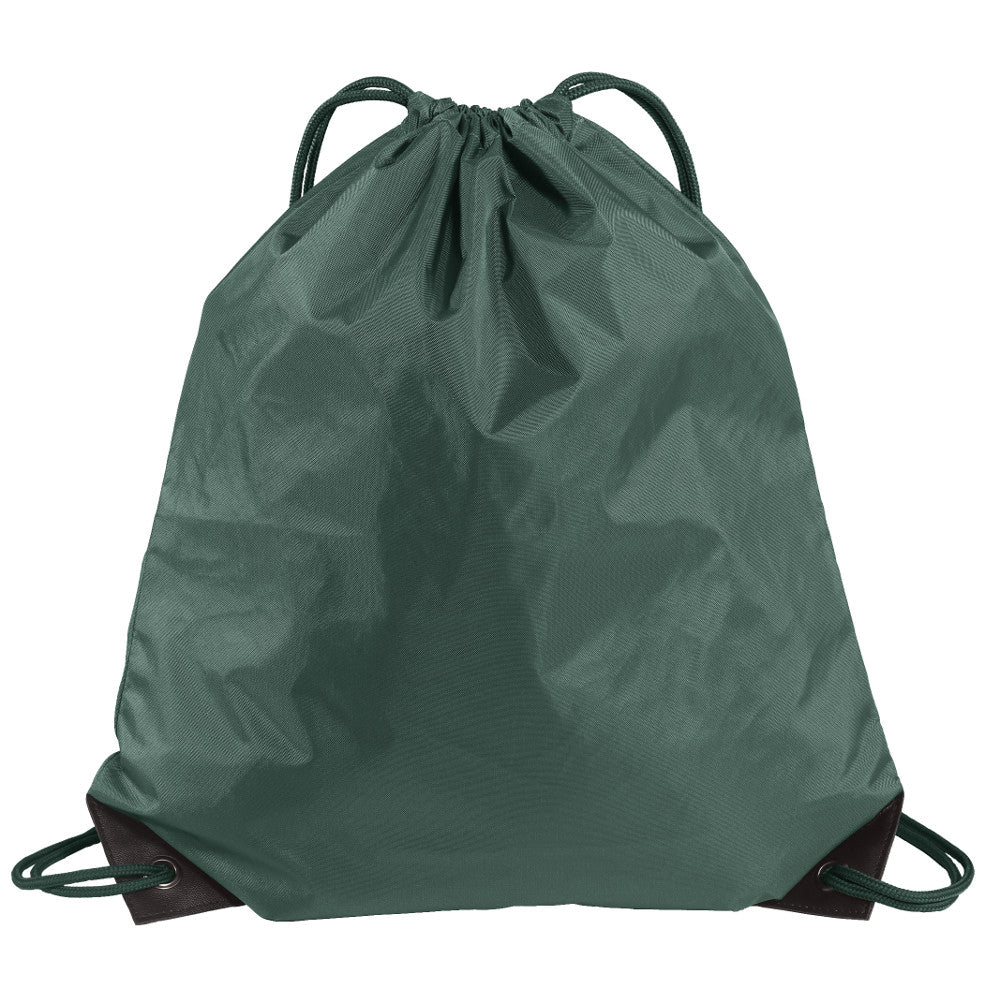
Color Options:
Black Hunter Green Charcoal Red Royal +9 More
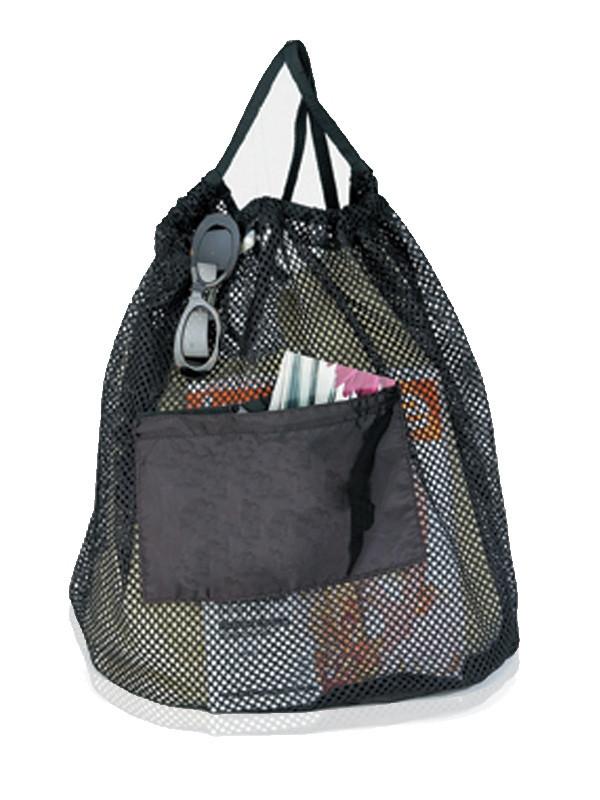
Nylon Mesh Bag with Front Pocket
Color Options:
Black White
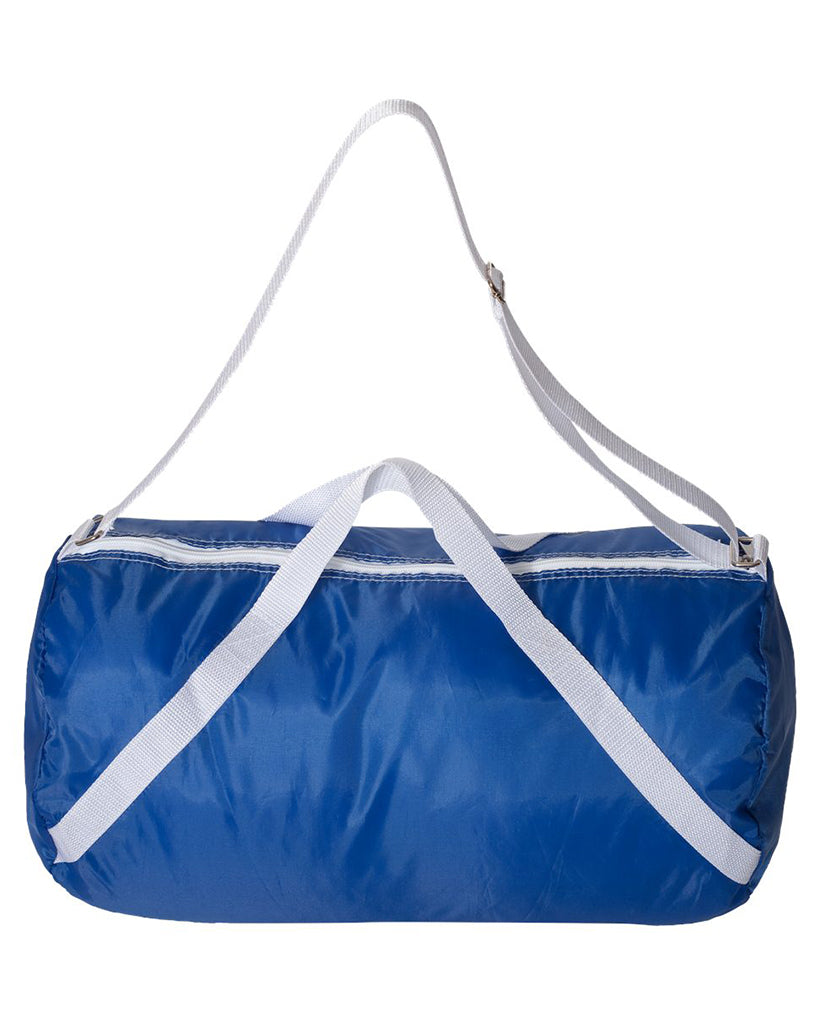
Color Options:
Black Royal
What Material is Nylon Fabric made of?

Nylon fabric is made of a synthetic polymer material called polyamide, which is created from petrochemical-based chemicals. Nylon 6,6 is the most common nylon type used in cloth. Nylon 6,6 is produced by chemically combining hexamethylene diamine and adipic acid. Polymerization forms long chains that create strong, durable fibers used to make nylon fabric.
Nylon is a man-made fiber, unlike cotton or wool. Nylon forms by linking repeating units called amides (-CONH-) into long molecular chains. Nylon 6 is another common type, produced from caprolactam. Nylon 6,6 and Nylon 6 form fibers by aligning molecular chains during manufacturing, spinning them into yarn, and weaving or knitting them into nylon fabric.
Nylon fibers excel at strength, elasticity, abrasion resistance, and low moisture absorption in textile manufacturing. Nylon's qualities make it popular in apparel, including hosiery, lingerie, swimwear, activewear, and technical fabrics like parachutes, ropes, and tire cords. The nylon material exists as pure synthetic or blended with natural fibers like cotton or wool for added durability or stretch, based on its intended use.
Nylon was invented in 1935 by Wallace Carothers at DuPont, revolutionizing textile production. Nylon is produced in large polymerization reactors, where chemical building blocks form long polymer chains. Manufacturers melt these polymers and spin them through tiny holes to create continuous fibers. The fibers undergo dyeing and finishing to produce the final nylon fabric products.
How is Nylon Fabric Made?
Nylon fabric is made by producing synthetic nylon fibers through a chemical process called polymerization, where petrochemical-derived monomers form long polyamide chains. Polymers melt and are pushed through tiny holes in spinnerets to create continuous filaments. Filaments are spun into yarn, which is then woven or knitted into nylon fabric for clothing and textiles.
Nylon consists of petrochemicals derived from crude oil or natural gas, explains how is nylon made. Different nylon types utilize various chemical building blocks, answering the question what is nylon made of. For example, Nylon 6 contains hexamethylene diamine and adipic acid, while Nylon 6 comprises caprolactam. Polymerization links these chemicals to form the nylon polymer that creates the fiber.
Nylon fiber production starts with polymerization, forming long polymer chains from monomers. Molten polymer passes through spinnerets, creating thin fibers. Fibers are cooled, stretched for strength and elasticity, spun into yarn, and woven or knitted into nylon fabric made from these fibers. Fabric undergoes finishing steps like dyeing or texturizing to achieve softness or stretch, resulting in a woven textile with desired properties.
Nylon is produced globally, particularly in regions with strong petrochemical and textile industries. The United States, where DuPont invented nylon, remains a key producer. China leads in nylon fiber and fabric manufacturing. Production is concentrated in Europe, with major hubs in Germany, Italy, and France. India and Southeast Asia are emerging centers for nylon manufacturing, supporting the growth of the expanding textile industries. Nylon factories are located near petrochemical plants to minimize transportation costs and leverage existing chemical infrastructure.
Where does Nylon come from?
Nylon comes from synthetic polymers called polyamides, which are made through chemical synthesis using petrochemical raw materials. Nylon was invented in the 1930s and is a man-made alternative to natural fibers like silk. Nylon fabrics transform the textile industry with a strong, elastic, durable synthetic material.
Nylon fabric originated from synthetic chemistry, with its nylon name origin linked to the innovative development by DuPont. Chemical building blocks made from petroleum are polymerized into long polyamide chains. Nylon was created to replace scarce fibers like silk. Nylon links monomers like hexamethylene diamine and adipic acid into long polymer chains.
Nylon was invented in 1935 by Wallace Carothers and his DuPont team, and introduced to the public in 1939 at the New York World’s Fair. Nylon fabric is a durable silk substitute for women’s stockings. Nylon’s strength and durability made it popular for military applications during World War II, including parachutes, ropes, and other equipment.
Nylon is used in hosiery and military gear, emphasizing flexibility and toughness. Nylon represents a significant shift from natural fibers, providing improved durability and easier maintenance. Nylon fabric is now widely used in bags, backpacks, activewear, swimwear, outdoor gear, and technical textiles. Nylon's water resistance and strength make it a favorite for modern consumer products, frequently blended with other fibers to improve performance and comfort.
What are the Types of Nylon Fabrics?
The types of nylon fabrics are listed below.
- Nylon 6: Nylon 6 is made from caprolactam and features strong, elastic, and abrasion-resistant fibers. Nylon 6 is found in apparel, industrial textiles, and carpets.
- Nylon 6,6: Nylon 6,6 is produced from hexamethylene diamine and adipic acid and features higher melting points and superior strength than Nylon 6. Nylon 6,6 is found in engineering plastics and heavy-duty fabrics.
- Ripstop Nylon: Lightweight, durable nylon fabric features a special reinforced weave that prevents tears and ripping. Ripstop nylon is used in outdoor gear, tents, parachutes, and backpacks.
- Nylon Taffeta: Nylon Taffeta stands out among the nylon fabric types as a smooth, tightly woven fabric with a crisp feel and slight sheen. Nylon Taffeta is a lining for jackets, bags, and umbrellas.
- Nylon Tricot: Nylon Tricot is a knitted nylon fabric with a smooth surface on one side and a textured back. Nylon Tricot is used in lingerie, activewear, and swimwear for its stretch and softness.
- Ballistic Nylon: Ballistic Nylon is a thick, durable nylon fabric developed for military body armor among the types of nylon fabric. Ballistic Nylon resists abrasion and tear, making it suitable for luggage and protective gear.
- Cordura Nylon: Cordura Nylon is a high-performance nylon that is durable and resistant to abrasions, tears, and scuffs. It is used in backpacks, military gear, and workwear.
- Nylon Mesh: Nylon Mesh is a porous nylon fabric with an open weave for breathability. Nylon Mesh suits sportswear, bags, and screens.
What is the difference between Nylon and Polyester?
The difference between Nylon and Polyester is in their chemical structure and resulting properties. Nylon is a polyamide fiber, while polyester consists of polyester polymers. The difference between polyester and nylon affects their behavior under conditions like sunlight and moisture. Nylon is stronger and more elastic than polyester, making it durable and abrasion-resistant. UV damage is resisted better by polyester fabric, which holds dyes longer, fading them less over time. Nylon absorbs more moisture, making it uncomfortable in humid environments. Polyester dries quickly due to its water-repellent properties. Nylon is used in high-strength, flexible products like activewear and industrial fabrics in the nylon vs polyester comparison. Polyester is preferred for its resistance to shrinking, stretching, and wrinkles, rendering it ideal for everyday clothing, upholstery, and outdoor gear. A fabric's intended use determines which fiber to use, and each has advantages.
What is the difference between Nylon and Polymers?
The difference between nylon and polymers lies in their scope and definition. Polymers are large molecules composed of repeating units called monomers. Polymers encompass many natural and synthetic materials, including plastics, rubbers, proteins, and fibers. A blend of polyester and cotton fibers is called Polycotton fabric. Polycotton fabric is a textile example related to polymers. Nylon is a synthetic polymer known as polyamide, which is an example of a polymer. Polymers vary in structure and application. Strength, elasticity, and abrasion resistance are Nylon's advantages. Nylon is useful in textiles, industrial fabrics, and consumer products like clothing and ropes. Polymers serve diverse purposes, including plastic packaging, automotive parts, medical devices, and adhesives, based on their chemical composition and physical properties. Nylon is a specialized polymer known for its durability and flexibility in fabrics. Polymers include a broader range of materials with numerous applications.
What is the difference between Nylon and Cotton?
The difference between nylon and cotton lies in their origin, properties, and uses. Nylon is a synthetic fiber produced from petrochemicals through a chemical process. Cotton is a natural fiber harvested from the cotton plant. Nylon exhibits strength, elasticity, and resistance to abrasion and moisture, but retains odors and feels less breathable. Cotton is soft, breathable, and absorbent, making it comfortable for daily wear. Cotton lacks durability, wrinkles, and shrinks more than nylon. Nylon offers durability and moisture resistance, making it ideal for activewear, outdoor gear, and industrial applications. Cotton provides natural comfort, softness, and hypoallergenic properties, rendering it suitable for casual clothing, bedding, and lightweight textiles. Choose nylon for durability and performance, and opt for cotton fabric for natural comfort.
Can Nylon be Blended with Silk Fabric?
Yes, nylon can be blended with silk fabric. Blending nylon and silk combines nylon's durability, strength, and elasticity with silk's luxurious qualities. The nylon silk blend improves fabric performance by increasing wear resistance while preserving silk’s smooth texture and natural sheen. The silk nylon fabric blend creates elegant fabrics for fashion and upholstery that are easier to care for and more durable than pure silk fabric. The blend improves wrinkle resistance and reduces costs compared to 100% silk fabric.
What is Nylon Fabric used for?

The nylon fabric is used for making lightweight, durable, and water-resistant bags. Nylon fabric is versatile due to its strength, elasticity, abrasion resistance, and lightweight nature. The qualities enable its use across fashion, industry, and everyday products. Nylon fabric's durability and flexibility make it suitable for functional and decorative uses. Nylon fabric's resistance to moisture and chemicals applies to outdoor and technical textiles.
- Activewear: Nylon’s stretch and moisture-wicking properties suit sportswear, gym clothes, and performance apparel.
- Hosiery and Lingerie: Nylon's smooth texture and elasticity offer comfort and durability in stockings, tights, and lingerie. Hosiery and lingerie are among nylon uses.
- Outdoor Gear: Nylon's toughness and resistance to abrasion and water make it ideal for tents, backpacks, ropes, and parachutes. Outdoor gear is among the uses of nylon.
- Swimwear: The nylon fabric uses extend to swimwear, where its quick-drying and chlorine- and saltwater-resistant properties make it perfect for swimsuits.
- Upholstery and Home Furnishings: Nylon is used in carpets, upholstery fabrics, and curtains for durability and easy cleaning.
- Industrial Applications: Nylon is used for tire cords, conveyor belts, and safety gear that require high strength.
- Bags and Luggage: Nylon fabric is lightweight and strong as a material for totes, making it popular for backpacks, handbags, and luggage.
Is Nylon a Good Material for Clothing?
Yes, nylon is a good material for clothing. Nylon’s strength, elasticity, and durability are ideal for activewear and outdoor apparel. The nylon clothes benefit from being lightweight, resistant to abrasion, and drying quickly, improving comfort during physical activity. The nylon clothing maintains shape well and resists wrinkles more than natural fibers, making nylon cloth material practical for everyday wear and performance gear. Nylon 6 is a common nylon type originating from caprolactam via polymerization, creating strong polyamide chains. Nylon 6 possesses excellent toughness and flexibility, ensuring durability and resistance to wear and tear. Nylon 6 suits various bag manufacturing, including gym, laptop, and travel bags. Its abrasion, water resistance, and lightweight and flexible traits enable bags to endure rough handling and diverse weather while remaining easy to carry.
Can Nylon 6 be used for Bags?
Yes, Nylon 6 can be used for bags. Nylon 6 serves as an excellent material for durable, strong, and flexible bags. Polyamide chains are formed from caprolactam polymerization, providing toughness and resilience. Nylon 6's molecular structure ensures high abrasion resistance and durability for gym bags, laptop bag, travel bag, and more. Nylon 6 is lightweight and water-resistant, protecting bag contents while ensuring easy portability. Nylon 6's strength and flexibility enable manufacturers to design sturdy, comfortable bags for daily use.
What are the Characteristics of Nylon Fabric?

The characteristics of Nylon Fabric are listed below.
- Smooth Texture: Nylon fabric feels soft and silky, making it comfortable for hosiery and lingerie.
- High Durability: Nylon fabric resists abrasion, tearing, and wear, ensuring longevity in demanding applications like outdoor gear and luggage.
- Lightweight: Nylon fibers are lightweight, increasing popularity in activewear and travel items.
- Elasticity: Nylon provides excellent stretch and recovery, maintaining garment shape and flexibility.
- Moisture Resistance: Moisture Resistance is an important nylon characteristics. Nylon absorbs minimal water and dries quickly, maintaining comfort and reducing mildew.
- Chemical Resistance: Nylon fabric resists chemicals and oils, making it suitable for industrial and technical applications, highlighting the critical characteristics of nylon.
- Good Color Retention: Nylon retains dyes effectively, leading to vibrant, long-lasting colors that resist fading.
- Heat Sensitivity: Nylon is strong, but melts or deforms under high heat. Careful washing and ironing are necessary.
What are the Properties of Nylon Fabric?
The properties of nylon fabric are listed below.
- Strength: Nylon fabric boasts remarkable tensile strength, contributing to its durability and resistance to tearing and stretching.
- Water Resistance: Nylon absorbs minimal moisture, drying quickly while resisting mildew and water damage.
- Elasticity: Nylon possesses high elasticity, enabling nylon fabrics to stretch and return to their original shape without deforming.
- Abrasion Resistance: Nylon is resistant to wear and friction, making it ideal for heavy-use items such as luggage and outdoor gear.
- Lightweight: Nylon is lightweight and strong, improving comfort in clothing and making bags easier to use.
- Chemical Resistance: The properties of nylon include resistance to chemicals and oils, which increases its durability in.
- Colorfastness: Nylon holds dye effectively, maintaining vibrant colors even after repeated washes, a crucial nylon fabric property.
- Quick Drying: Nylon's low moisture absorbency is ideal for activewear and swimwear.
What does Nylon look like?
Nylon fabric looks smooth and shiny, with a subtle sheen that ranges from matte to glossy based on its weave or finish. Nylon appears translucent or opaque based on its texture. For example, nylon taffeta has a tight weave and a smooth texture. Ripstop nylon features a visible grid pattern. Nylon tricot offers a soft, stretchy feel. Nylon fabric has a uniform appearance.
Nylon features a smooth, lustrous surface reflecting light and slightly shiny. Nylon taffeta appears tight and soft for the linings. Ripstop nylon features a textured grid pattern to prevent tears, depending on the weave or knit. Nylon holds dyes well, resulting in rich, vibrant colors. Lightweight nylons are semi-transparent, and thicker varieties appear solid.
Identify nylon fabrics by their smooth, silky surface and slight sheen. Gently stretching nylon allows for elasticity, returning it to its original shape. Nylon feels cool to the touch and is lighter than natural fibers like cotton or wool. Nylon resists wrinkles and drapes well. A safe burn test shows nylon melts and forms a rigid bead, distinguishing it from other fabrics.
Nylon feels smooth, silky, and cool against the skin. Nylon is lightweight yet strong, with a degree of stretch depending on the weave or knit. Nylon's texture remains soft and durable, with a slight sheen to emphasize its sleek appearance.
Is Nylon Fabric Strong?
Yes, nylon fabric is strong. Nylon is recognized for its outstanding strength, making it one of the most durable synthetic fibers today. Nylon's strength stems from its molecular structure. Long chains of polyamide polymers form tough, resilient fibers. Nylon’s tensile strength withstands heavy stress and strain without breaking, making it ideal for durable products like ropes, outdoor gear, and luggage. Nylon is stronger than natural fibers like cotton and silk. Nylon maintains its strength when wet, unlike cotton, silk, rayon, and wool. Nylon's strength and elasticity resist tearing and abrasion, rendering it ideal for durability-critical applications.
Is Nylon Fiber Natural or Synthetic?
Yes, Nylon fiber is synthetic. Nylon is a synthetic fiber formed through polymerization, where petrochemical monomers link to create long polyamide chains. Cotton, wool, and silk are natural fibers that originate from plants or animals. Nylon is a fully synthetic fiber and the first commercially successful type. Nylon's synthetic origin imparts unique properties like high strength, elasticity, and resistance to abrasion and moisture. Its fibers are stronger than cotton, wool, and silk and retain their strength when wet. Nylon suits various applications, including clothing and industrial products.

