

Recycled fabrics are textiles made by processing waste materials such as used clothing, fabric scraps, or plastic products into new fibers. Recycled fabric retains characteristics of conventional fabrics, including strength, flexibility, and comfort, while promoting environmental sustainability. The fabric is produced through collecting, sorting, cleaning, shredding, and spinning waste materials into yarn, which is woven or knitted into fabric. The concept of recycled fabric originated in the late 20th century as awareness of environmental issues grew, with early uses focusing on repurposing textile waste for insulation and industrial purposes.
The applications expanded to include fashion and accessories, notably shifting toward making bags like tote bags to combine practicality with eco-consciousness. Recycled cotton, recycled polyester, and recycled nylon are common types of recycled fiber, each suited for different uses, from clothing to industrial materials. Waste reduction, resource conservation, and durability are essential benefits of using recycled fabric, making it valuable for products like bags that require strength and sustainability. The growing demand for recycled fabrics highlights the importance of turning waste into high-quality textiles through innovative fiber technologies and recycled material fabric processes.
Tote Bag Factory's Recycled Bags
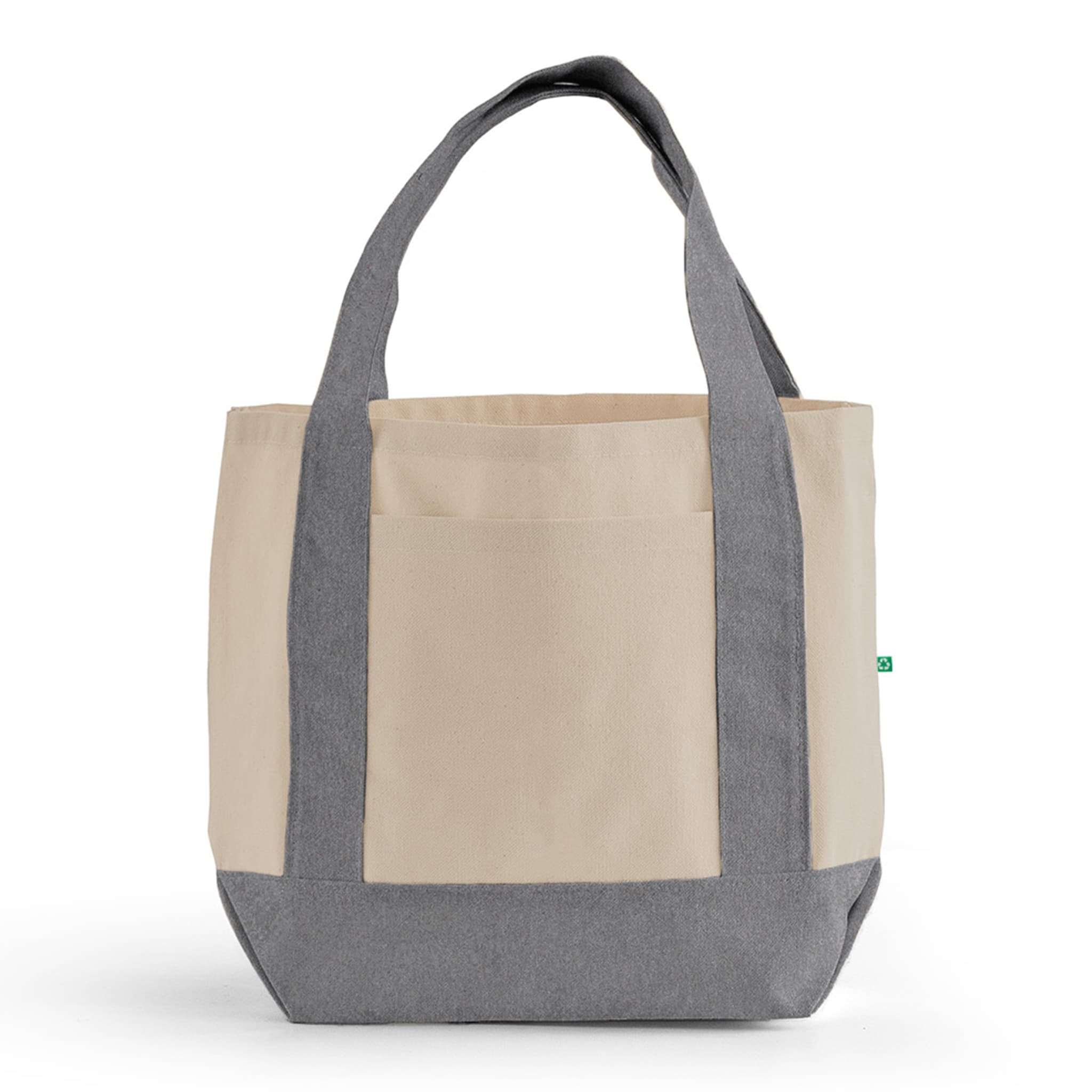
Recycled Mini Iconic Shopping Bag
From $2.66
Color Options:
Natural Ash Grey
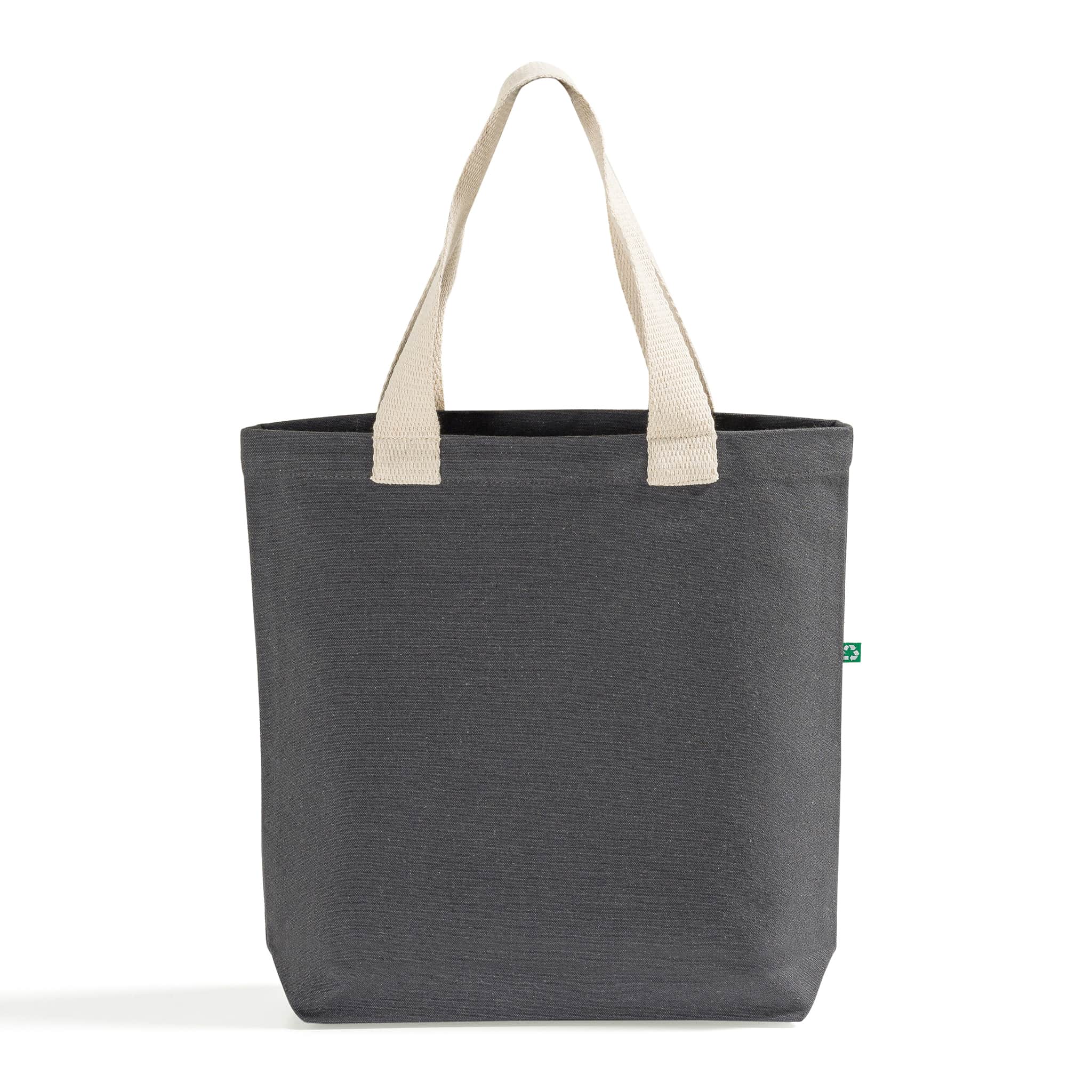
Recycled Canvas Tote Bag With Bottom Gusset
From $2.64
Color Options:
Charcoal Grey Natural
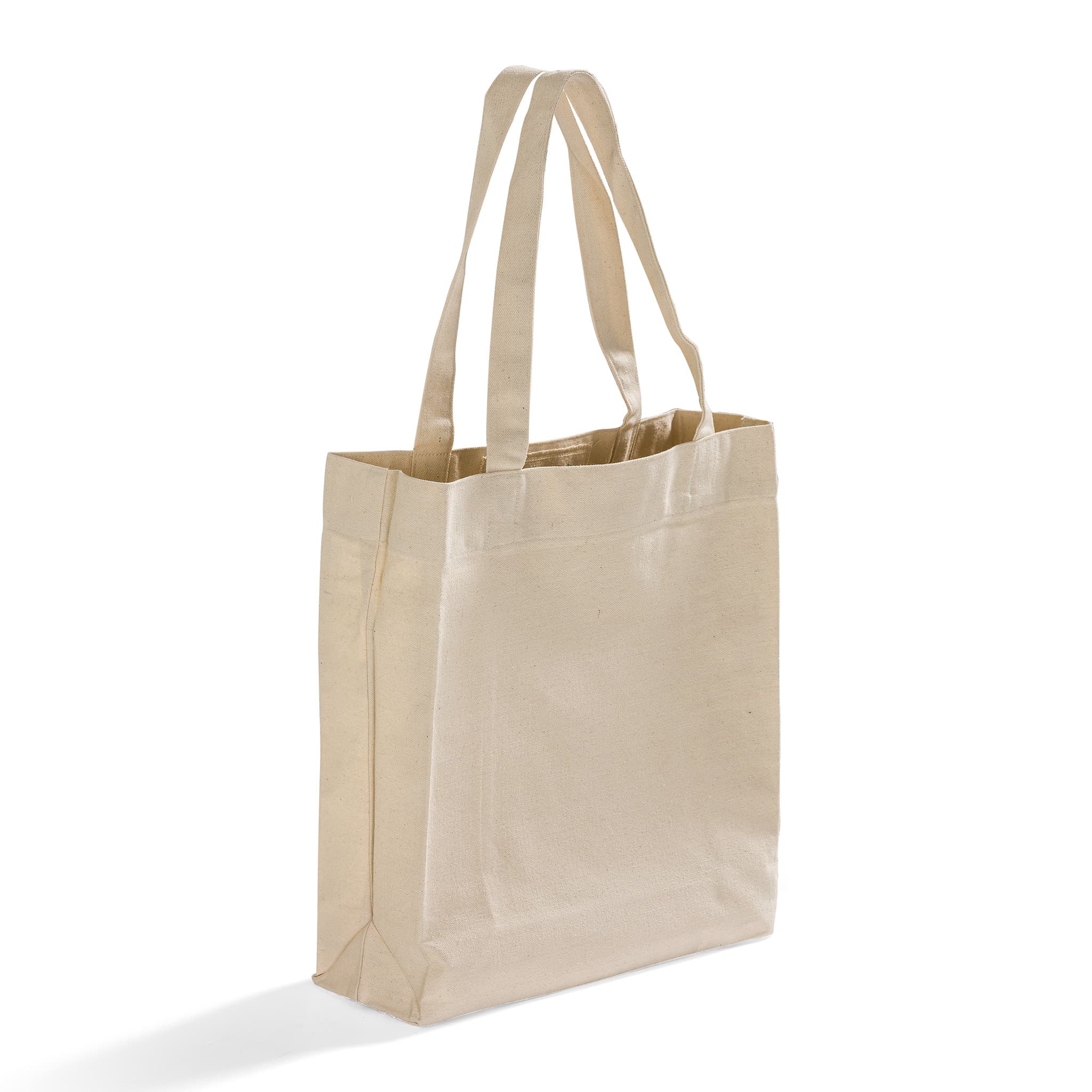
Large Recycled Canvas Bag with Full Gusset
From $3.84
Color Options:
Natural
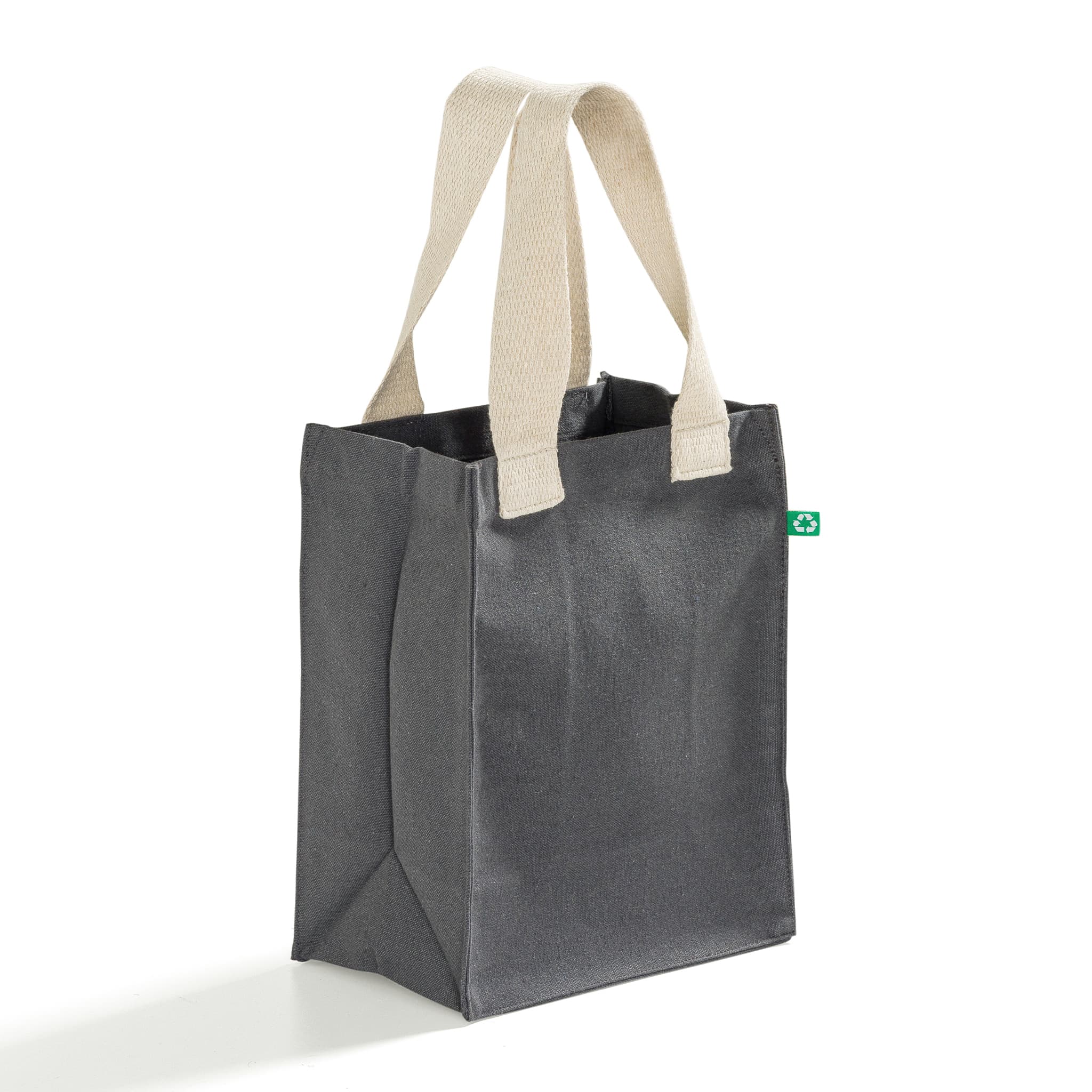
Recycled Canvas Book Bag with Full Gusset
From $2.48
Color Options:
Charcoal Grey Natural
What Material is Recycled Fabric made of?

Recycled Fabric material is made of repurposed materials such as used textiles and plastic products. The materials undergo processes that transform waste into new fibers suitable for fabric production. Recycled material fabric reduces landfill waste and lowers the environmental impact of textile manufacturing. Using recycled fibers conserves natural resources, such as water and energy, compared to producing virgin fabrics. For example, polyester is made with recycled materials derived from plastic bottles and cotton reclaimed from old clothing. Producing recycled fabric supports sustainable practices by minimizing pollution and encouraging the circular use of materials. The approach helps the textile industry move toward eco-friendly solutions.
How is Recycled Fabric Made?
Recycled fabric is made by transforming waste materials into new textile fibers, reducing waste and promoting sustainability in the textile industry. The process begins with the collection and sorting of used textiles or plastic products. These materials undergo shredding and cleaning to remove impurities. The fibers are processed through spinning to create yarn. After spinning, the yarn is woven or knitted to form new fabrics. The fabric is dyed and finished, meeting quality standards. The method produces eco-friendly recycled fabrics, including various types, such as woven fabrics, contributing to a more sustainable fashion industry.
How are Textiles Recycled to Create New Materials?
Textiles are recycled to create new materials by collecting used fabrics or post-consumer waste and processing them into new fibers. The collected textiles undergo sorting, cleaning, and shredding to prepare the fibers for reuse. Fibers are then spun or bonded to form new materials, reducing the need for virgin resources. Textile recycling is vital in minimizing landfill waste and supporting environmental sustainability. Different types of materials emerge from the process, including yarns for clothing, insulation, and nonwoven fabric used in products like filters and upholstery. Recycled textiles are transformed into practical items such as bags, carpets, and cleaning cloths, illustrating the variety of recycled textile products available.
How can Plastic Bottles be turned into PET Fabric?
Plastic bottles can be turned into PET fabric by collecting and cleaning them to remove labels and contaminants. The bottles are shredded into small flakes, which are melted down and extruded into fibers. Fibers are spun into yarn and woven or knitted to create new textile materials. The process transforms waste plastic into usable fabric, reducing pollution and conserving resources. The result is a fabric made from plastic bottles that is durable and versatile. The method produces recycled PET fabric or PET recycled fabric, which finds use in clothing, bags, and other sustainable products.
The difference between polyester and recycled polyester lies in their sources and environmental impact. Polyester is made from petroleum-based raw materials through a chemical process that creates new synthetic fibers. Recycled polyester is produced by reprocessing existing plastic waste, such as plastic bottles, into fibers. It reduces the need for virgin resources and lowers carbon emissions during production. Polyester and recycled polyester share similar physical properties, but recycled polyester supports sustainability efforts. The fabric created from recycled sources is called rPET fabric, highlighting its recycled origin.
What are the different Types of Recycled Fabrics?
The different Types of Recycled Fabrics are listed below.
- Recycled Cotton: The fabric reduces water and energy consumption compared to new cotton production made from pre-consumer or post-consumer cotton waste.
- Recycled Nylon: Recycled nylon is produced by reclaiming nylon from discarded fishing nets, fabric scraps, and industrial waste, offering strength and durability for activewear and outdoor gear.
- Recycled Polyester (rPET): rPET supports waste reduction and lowers environmental impact, created by melting down plastic bottles or other PET waste into fibers.
- Recycled Wool: The material is made from reclaimed wool garments or fabric remnants and maintains the warmth and texture of original wool fabric while reducing textile waste.
- Recycled Acrylic: The fabric is derived from post-industrial acrylic waste and provides soft, warm fibers used in knitwear and mimicking the qualities of acrylic fabric.
- Recycled Hemp: The material is produced by reprocessing hemp textile waste, retains the natural strength and breathability of hemp fabric, offering an eco-friendly alternative.
- Blended Recycled Fabrics: Combining fibers from various recycled sources to create versatile textiles with improved performance and sustainability, referred to as blended fabric.
Is Cotton Fabric easy to upcycle into a Fabric?
Yes, cotton fabric is easy to upcycle into new fabric. Cotton is a versatile, natural fiber that responds well to processes like cutting, sewing, and dyeing. It retains strength and softness even after multiple uses, making it ideal for transforming old textiles into fresh products. Upcycling cotton reduces waste and conserves resources compared to producing new fibers. The resulting material is called recycled cotton fabric, which maintains the qualities of original cotton fabric while supporting sustainable practices.
Is Recycled Nylon Fabric toxic?
No, recycled nylon fabric is not toxic. Recycled nylon is made by repurposing waste materials like fishing nets or industrial scraps, which are cleaned and processed into new fibers. Strict regulations control the use of chemicals to ensure safety for consumers and the environment during manufacturing. However, nylon requires proper care to minimize microplastic pollution when washed like synthetic fabrics. The sustainable production of recycled nylon fabric offers an eco-friendly alternative to traditional nylon fabric while maintaining safety standards.
What is Recycled Fabric used for?

Recycled Fabric is used for the things listed below.
- Clothing and Fashion: Recycled fabric is used to create sustainable apparel such as shirts, jackets, and activewear that reduces environmental impact.
- Home Textiles: The fabric is applied in producing items like curtains, upholstery, and bedding that combine durability with eco-conscious materials.
- Industrial Applications: Employed in manufacturing insulation, automotive interiors, and soundproofing materials where recycled fibers add strength and functionality.
- Accessories: Recycled fabric serves as a versatile material for totes and other eco-friendly accessories. It is used to make bags, hats, and scarves that promote sustainable fashion choices.
- Outdoor Gear: The recycled material is utilized in backpacks, tents, and sports equipment fabrics that require durability and environmental responsibility.
- Crafts and DIY Projects: Repurposed for quilting, patchwork, and handmade items, supporting creative reuse.
Which Recycled Materials are Best for Clothing?
The recycled materials best for clothing are recycled polyester, recycled cotton, and recycled nylon because these fibers combine durability, comfort, and sustainability. Considering recyclable materials for clothing is important because the fashion industry generates waste and environmental impact. Choosing fibers that are efficiently reused helps reduce landfill contributions and lowers the demand for new raw materials. Recycled cotton offers breathability and softness, recycled polyester made from plastic bottles provides strength and moisture resistance, and recycled nylon is known for its durability and stretch. These materials help maintain quality while supporting eco-friendly production. Clothing made from recycled materials demonstrates a commitment to reducing waste and promoting circular fashion. The focus on recyclable materials for clothing encourages more sustainable consumer choices and manufacturing practices.
Which Recycled Materials are Best for Bags?
The recycled materials best for bags are recycled polyester, recycled nylon, and recycled cotton. The materials are preferred because recycled polyester offers durability and water resistance, making bags long-lasting and suitable for various weather conditions. Recycled nylon provides strength and flexibility, which helps bags withstand heavy use without tearing. Recycled cotton adds a soft texture and eco-friendly appeal, making it ideal for casual or fashion bags. These materials combine sustainability with practical performance, ensuring bags are environmentally responsible and functional.
What are the Benefits of Recycled Fabric?

The Benefits of Recycled Fabric are listed below.
- Environmental Benefits: Reduces landfill waste by diverting textiles and plastics from disposal.
- Resource Conservation: Lowers the use of water, energy, and raw materials compared to producing virgin fabrics.
- Carbon Footprint Reduction: Decreases greenhouse gas emissions associated with fabric production.
- Economic Advantages: Creates new markets and job opportunities within the recycling and textile industries.
- Industry Innovation: Encourages the development of sustainable technologies and eco-friendly manufacturing processes.
- Brand Value: Improves company reputation by meeting growing consumer demand for sustainable products.
Why Recycled Fabric is a Good Choice for Shopping Bags?
Recycled fabric is a good choice for shopping bags because it offers excellent durability, allowing the bags to carry heavy items without tearing or wearing out quickly. The recycled fabric's environmental benefits help reduce plastic waste and lower the carbon footprint by reusing materials that otherwise end up in landfills. Recycled fabric provides cost-effectiveness by utilizing existing resources, which reduces production expenses and results in more affordable products. These advantages make recycled fabric an ideal material for creating sustainable and practical shopping bags that meet consumer needs while protecting the environment.
Is Recycled Fabric better than other Sustainable Materials?
No, recycled fabric is not better than other sustainable materials. Recycled and sustainable material has unique benefits depending on the application and environmental goals. Organic cotton is grown without synthetic pesticides, reducing chemical impact and promoting soil health. Upcycled fabric involves repurposing existing garments or scraps, minimizing waste without additional processing. Biodegradable materials break down naturally after use, lessening long-term pollution. Recycled fabric contributes to waste reduction but works best alongside organic cotton, upcycled fabric, and biodegradable options to create a balanced approach to sustainability.

