

Felt fabric is a dense, nonwoven material that compresses natural or synthetic fibers using heat, moisture, and agitation. Felt has a matted appearance, lacks a visible weave pattern, and features a smooth, uniform surface. Wool felt offers insulation, elasticity, and flame resistance, while synthetic and blended types provide affordability and a wider range of colors. The fabric is soft, shape-retaining, sound-absorbing, and resistant to fraying, making it ideal for practical and decorative uses.
Felt is made from natural animal or synthetic polymers by layering fibers and applying heat, moisture, and pressure. Wet felting uses water and soap, while needle felting uses barbed needles to bind fibers. Industrial methods involve rolling and pressing for uniform density. China, the United States, Germany, and Turkey are major felt producers. Felt originated over 3,000 years ago with Central Asian nomads who used wool-based felt for tents, clothing, and armor. Industrial and fashion applications of felt material evolved from its traditional use to provide durability and insulation. Felt structure and versatility make it popular for packaging, accessories, and tote bags.
Wool felt is used in fashion and insulation, while synthetic felt is ideal for crafts. Blended felt balances cost and texture. Pressed and pressed wool felts are used for padding and seals. Needle and chemical-bonded felts serve in automotive and filtration systems. Spunbond and resin-impregnated felts are used in hygiene and structural applications. Felt fabric is valued for its shape retention, insulation, flame resistance, and sound absorption. The fabric is soft yet durable, easy to cut, and needs little finishing. The qualities make fabric felt ideal for accessories, packaging, and tote bags. The variety in colors and thicknesses supports functional and stylish uses, making it popular in eco-conscious design. Understanding what is felt provides insight about why it remains a preferred textile across industries.
Tote Bag Factory’s Felt Bags

Medium Easy-to-Decorate Felt Tote Bag
From $7.41
Color Options:
Royal Grey
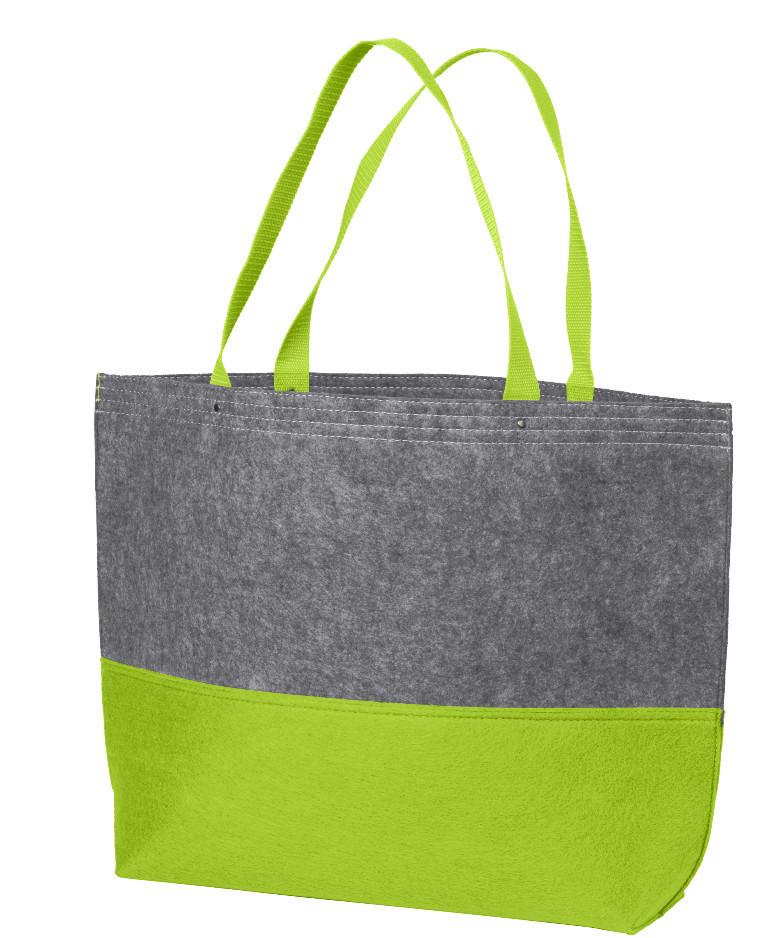
Large Easy-to-Decorate Felt Tote Bag
From $9.00
Color Options:
Grey Black Green

Easy-to-Decorate Felt Hobo Value Tote
From $7.79
Color Options:
Green Berry Black Turquoise Royal
What Material is Felt Fabric made of?

Felt is made from natural fibers like wool or synthetic fibers, including acrylic and polyester. Wool felt is produced by matting and compressing animal hair fibers through heat, moisture, and pressure until they interlock into a dense fabric. Synthetic felt is created using man-made fibers that undergo a similar felting process, either through mechanical or chemical bonding methods.
Felt fabric is made from a combination of different materials, depending on the type and quality. Traditional felt is 100 percent wool, offering durability, elasticity, and flame resistance. Blended felt is a mixture of wool and synthetic materials, in a ratio of 70 percent wool and 30 percent rayon or polyester. Fully synthetic felt is made from non-woven polyester or acrylic fibers, which replicate the texture and appearance of wool but lack the same insulating and moisture-wicking properties.
Wool felt has applications in musical instruments, crafts, and industrial insulation due to its high density and resistance to wear. Polyester felt is used in decorations, garments, and interior design due to its lower cost and availability in multiple colors. Acrylic felt offers softness and color retention but is less durable under repeated mechanical stress. The composition of the fabric determines its final texture, strength, and thermal behavior. The felt material remains one of the oldest known textiles, with records of its production dating back to Central Asian nomads over 3,000 years ago.
How is Felt Fabric Made?
Felt is made from natural animal fibers or synthetic polymer-based fibers. Natural felt uses wool from animals like sheep or alpaca, while synthetic felt contains polyester, acrylic, or rayon. The fibers are chosen for their ability to mat and compress under heat, moisture, and pressure without requiring weaving or knitting. Felt is produced through a nonwoven process that involves layering fibers into sheets and exposing them to humidity and mechanical agitation. Wet felting uses water and soap combined with pressure to entangle the fibers. Needle felting relies on barbed needles that repeatedly pierce and bind the fibers. Industrial production employs machines that heat, press, and roll the material to ensure consistent thickness and density.
Felt is manufactured in regions known for wool production and synthetic fiber processing. China dominates global production due to access to raw materials and advanced processing facilities. Germany and the United States specialize in high-performance felt for technical applications. Turkey remains a major source of wool felt for commercial and decorative use. Production methods vary by region, depending on the availability of resources and market demand. The Felt fabric definition describes a dense material made without weaving, using pressure and heat to bind fibers. How is felt made involves mechanical agitation, moisture, and temperature to compress and interlock fiber mats. The Non-woven fabrics like felt are created without traditional textile techniques, relying on direct bonding of fibers.
How does Felting work?
Felting works through the process of bonding fibers together into a dense fabric using moisture, heat, friction, or mechanical force. The felting process relies on the microscopic scales of animal fibers like wool that react to agitation and compression by locking together. Felting begins by laying loose fibers into layers, then applying pressure and motion to cause interlocking. Wet felting involves using warm water and soap on the fiber layers, then repeatedly rolling, pressing, or rubbing them to compress the fibers and form a textile. The needle felting on fabric involves inserting barbed needles into the fabric, which causes the fibers to tangle as the needle is repeatedly inserted and withdrawn. Wet felting results in a smoother and more uniform surface, while needle felting on fabric allows for shaping and sculpting of intricate forms. The needle and wet felting processes depend on fiber entanglement and compression to form strong, nonwoven structures. Felting continues to be used in industrial and craft settings due to its unique method of textile creation without weaving or knitting.
What are the Types of Felt Fabrics?
The types of felt fabric are listed below.
- Synthetic Felt: Synthetic Felt is a nonwoven fabric made from man-made fibers, including polyester, acrylic, or nylon. Synthetic Felt is manufactured through heat and pressure processes and is used in craft projects, decorations, and lightweight applications. The polyester felt fabric is a widely used material in the category due to its cost-efficiency and availability.
- Blended Felt: Blended Felt combines natural wool fibers with synthetic fibers such as rayon or polyester. Blended Felt is designed to provide a balance between affordability and the texture of pure wool. The blend creates versatile types of felt fabric suited for garments, accessories, and low-cost industrial uses.
- Pressed Felt: Pressed Felt is made by compressing layers of loose fibers under heat, moisture, and pressure. Pressed Felt is known for its density and is widely used in machinery gaskets, padding, and insulation materials.
- Wool Felt: Wool Felt is composed of natural wool fibers. It offers superior thermal insulation, flame resistance, and acoustic properties and is used in musical instruments, industrial applications, and fashion.
- Needle Felt: Needle Felt is produced by repeatedly punching barbed needles through fiber layers, causing them to bind mechanically. Needle Felt is applied in mattress padding, automotive linings, and sculptural crafts. The method is key to producing felt types with form-fitting and detailed applications.
- Chemical-Bonded Felt: Chemical-bonded felt uses adhesive agents to bind synthetic fibers. Chemical-bonded is preferred in industries requiring stable, uniform furniture, construction, and filtration materials.
- Resin-impregnated felt: Resin-impregnated felt is treated with resins to enhance stiffness, compression resistance, and durability. Resin-impregnated felt is used in structural components, gaskets, and molded parts.
- Pressed Wool Felt: Pressed Wool Felt is made from compressed 100 percent wool processed under specific heat and moisture conditions. Pressed wool felt is durable for polishing, vibration control, and machinery seals.
- Spunbond Felt: Spunbond Felt is created by spinning continuous filaments into a web and thermally bonding them. Spunbond Felt is used in disposable hygiene products, geotextiles, and filtration layers. The material highlights the use of Polyester Fabric in nonwoven construction.
- Carbonized Felt: Carbonized Felt treats wool with chemicals to remove vegetable matter and impurities. Carbonized Felt produces a clean, smooth surface suitable for garments, technical uses, and craft applications.
Is Felt made of Wool?
Yes, felt is made of wool. Wool is a primary raw material used to produce traditional felt due to its unique fiber structure. The microscopic scales on each wool fiber react to moisture, heat, and pressure by interlocking tightly with adjacent fibers. The natural felting behavior makes wool an effective material for creating dense, nonwoven textiles. The wool felt fabric is valued for its insulating properties, flame resistance, and elasticity. Music instruments, clothing, polishing tools, and industrial machinery components use wool. The Wool Fabric fiber remains a fundamental component of many premium and industrial felt products. Felt made of wool fabric is recognized for its durability, texture, and historical significance in textile production.
What is Felt used for?

Felt fabric is used for different purposes due to its dense texture, ability to retain shape, sound-absorbing properties, and resistance to fraying. Its versatility makes it suitable for functional and decorative applications across multiple industries and crafts.
The uses of felt are listed below.
- Clothing and Accessories: Clothing and Accessories use felt for hats, shoes, and jackets, with a strong emphasis on bags due to felt's structure, softness, and ability to retain shape without reinforced stitching.
- Crafts and Decorations: Crafts and Decorations rely on felt for handmade items, toy making, wall art, appliqué projects, and holiday ornaments because of its clean-cut edges and wide color variety. The creative applications demonstrate key felt fabric uses in decorative design.
- Furniture and Interior Design: Furniture and Interior Design uses felt in chair pads, table protectors, wall panels, and lampshades, which provide aesthetic texture, insulation, and surface protection.
- Musical Instruments: Musical Instruments incorporate felt in piano hammers, drum dampers, and wind instrument pads due to its capacity to absorb impact, control tone, and reduce vibration.
- Industrial Applications: Industrial Applications include felt in gaskets, polishing wheels, wicks, seals, and vibration dampers, where felt offers durability, density, and oil-retention properties.
- Automotive and Aerospace: The Automotive and Aerospace sectors use felt for soundproofing, thermal insulation, and padding in vehicle and aircraft interiors to reduce noise and protect surfaces.
- Bookbinding and Stationery: Bookbinding and Stationery use felt in notebook covers, pen holders, and decorative linings to add tactile appeal and protective layering.
- Soundproofing and Acoustic Treatment: Soundproofing and Acoustic Treatment employ felt in studio walls, office dividers, and home theaters to reduce echo and improve sound clarity.
- Pet Products: Pet Products include felt in bedding, scratching pads, and pet toys where comfort, softness, and durability are essential.
- Art Installations and Exhibits: Art installations and exhibits are felt in sculptures and displays, where their texture and form support creative expression and structural balance. Felt fabric uses include applications in fashion, sound insulation, industrial design, and fine art. Felt remains a popular fabric material for bags due to its strength, minimal fraying, and stylish appearance.
Is Felt a Good Material for Clothing?
Yes, felt is a good material for clothing. Felt provides excellent insulation, making it suitable for garments that retain warmth in cold environments. The dense structure of felt blocks wind and helps maintain body temperature, which makes it ideal for outerwear like jackets, coats, and hats. Felt does not fray when cut, allowing designers to create seamless or raw-edged garments. Wool felt has natural elasticity, moisture resistance, and flame-retardant properties, contributing to comfort and safety in apparel. The fabric's ability to hold shape without stitching supports structured fashion items. Felt remains used in winter fashion and costume design due to its thermal performance and shape retention. Felt continues to be valued for specific clothing applications that benefit from its functional and aesthetic characteristics.
Is Felt Fiber a Good Choice for Bags?

Yes, felt fiber is a good choice for bags. Felt offers structural stability, allowing bags to maintain shape without additional reinforcement. The density of the material protects contents from light impact, while the soft texture provides an appealing tactile experience. Felt is easy to cut and sew, which supports creative bag designs and custom shapes. Wool-based and synthetic felt resists fraying and is available in multiple colors, making the material ideal for fashion-oriented and casual bag styles. The insulating properties of felt help shield electronics and fragile items from minor temperature changes and surface scratches. Felt is lightweight yet durable, making it practical for good tote bags, laptop sleeves, and everyday carry designs. Felt continues to be favored in accessories due to its strength, aesthetic flexibility, and low-maintenance characteristics.
What are the Characteristics of Felt Fabric?
The characteristics of felt fabric are listed below.
- Non-Woven Structure: Non-Woven Structure defines felt fabric as a textile made without weaving or knitting, using compression, moisture, and heat to interlock fibers.
- Soft but Dense Texture: The Soft but Dense Texture gives felt a unique surface that combines comfort with durability, making it suitable for applications that require flexibility and strength.
- Easy to Cut and Shape: Easy-to-cut and Shape felt is ideal for crafts and fashion, as it does not fray and holds its form once trimmed or molded.
- Good Insulation Properties: Felt's ability to retain heat and reduce sound makes it suitable for use in garments, acoustic panels, and padding.
- Moisture Resistance: Moisture Resistance helps prevent felt from absorbing water in wool-based variants that contain natural lanolin.
- Color Retention: Color Retention ensures that dyed felt maintains vibrant hues over time, even with exposure to light or frequent handling.
- Structural Stability: Structural Stability enables felt to hold shapes without stitching or hemming, supporting its use in bags, hats, and design prototypes.
- Durability under Pressure: Durability under Pressure allows felt to perform well in mechanical and industrial environments where compression and abrasion are present.
- Minimal Stretch: Minimal Stretch ensures the felt maintains its dimensions during use, which is important in applications requiring precision and consistency.
- Low Maintenance Requirements: Low maintenance requirements make it easy to care for, with many variants requiring only surface cleaning and minimal upkeep.
- Noise Absorption: Noise Absorption enables felt to reduce echo and sound transmission, making it useful in soundproofing environments and acoustic treatments.
What does Felt look like?
Felt fabric looks like a flat, matte, slightly fuzzy surface of tightly compressed fibers. The fabric appears solid without a visible weave or knit pattern due to its nonwoven construction. The texture is uniform and ranges from delicate and smooth to coarse and fibrous, depending on the type and thickness. Felt is available in vibrant colors, clean cuts, and soft edges, without fraying or unraveling. Industrial felt is denser and darker, while decorative felt has a smoother finish and is used in colorful sheets. The felt resembles a dense woolen sheet that holds its form well and absorbs light with minimal sheen.
Felt fabrics are matted, with fibers pressed together in a single plane. The absence of a weave pattern and the presence of a firm, sponge-like texture distinguish it from woven fabrics. Felt does not have visible threads or stitching lines unless sewn or cut intentionally. Running fingers along the surface confirms its compressed nature, with edges that remain intact after cutting. The material's visual and tactile uniformity indicates that it is a nonwoven textile created through felting rather than traditional textile techniques.
Felt feels soft but firm, offering a cushioned texture that resists stretching and distortion. Felt is flexible yet structured, allowing it to bend without losing form. The softness of felt depends on its fiber content and density. Wool-based felt feels warmer and more natural, while synthetic versions are slightly stiffer but smoother. Felt provides a dry and even surface that is gentle against the skin, which makes it suitable for use in accessories, clothing details, and decorative applications. The material is neither abrasive nor rough, despite its density.
How does Felt differ from Velvet?
Felt is more structured and textured, with a different production method and application from velvet. Felt is a nonwoven fabric that compresses natural or synthetic fibers under heat, moisture, and pressure, resulting in a dense, uniform surface with no visible threads. Velvet is a woven fabric characterized by its short, raised pile on one side, created through a complex weaving technique that involves additional warp yarns forming loops, which are then cut. Felt has a matte appearance and a firm texture that resists fraying, making it suitable for structured crafts, bags, insulation, and industrial applications. Velvet has a lustrous, soft surface with a luxurious feel, used in upholstery, evening wear, and decorative items.
Felt offers durability, shape retention, and ease of cutting without hemming, while lacking elasticity and breathability. Velvet provides elegance, comfort, and drape but requires careful maintenance. Velvet is prone to crushing and fraying at the edges. Felt is more affordable and practical for functional items, while velvet serves aesthetic and high-end purposes. The difference between Felt vs Velvet lies in their construction. Felt is compressed, nonwoven, and dense, whereas velvet is woven, pile-rich, and soft with a distinctive directional sheen. Felt is better suited to structure and function, while velvet fabric is better suited to texture and appearance.
Is Felt a Breathable Fabric?
Yes, felt is a breathable fabric. Felt comprises interlocked fibers that create microscopic air channels throughout the surface, allowing limited airflow while providing insulation. The semi-permeable nature allows moisture and air to pass at a controlled rate, preventing overheating and reducing condensation. Wool-based felt retains a natural ability to manage airflow even though it is not as breathable as loose weaves due to its fiber structure. The property makes it suitable for lightweight bags and accessories that require airflow without compromising protection. The breathable felt quality supports odor control, limits moisture buildup, and enhances comfort in enclosed spaces.
Felt is ideal for crafting bags due to its soft surface, shape retention, and breathability. The felt structure allows bags to carry groceries, books, and clothing while preventing items from becoming humid. Felt dense construction supports durability without sacrificing ventilation. Non-fraying edges, easy customization, rich color options, and low maintenance are key selling points of felt. Felt bags are washable, eco-friendly, and durable, making them practical for everyday use. Felt is a durable and sustainable textile that is breathable, making it an ideal choice for reusable shopping bags.
Is Felt Fiber Natural or Synthetic?
Yes, felt fiber is natural and synthetic. Natural felt is produced from animal fibers like wool through moisture, heat, and pressure without weaving. Synthetic felt is made from polyester, acrylic, or nylon fibers through mechanical or chemical bonding processes. Wool-based felt is eco-friendly due to its renewable source, low chemical processing, and minimal environmental footprint. Natural felt supports sustainable manufacturing practices and offers a compostable end-of-life cycle. Felt's natural origin, thermal insulation, flame resistance, biodegradability, and low toxicity are key selling points that make wool a strong choice for environmentally conscious applications, including its potential use in a biodegradable bag.
Felt is biodegradable when made from natural fibers, such as wool. Wool felt decomposes in soil under microbial activity, returning nutrients to the earth without releasing harmful residues. The biodegradation process varies depending on the conditions, but occurs within a few months in composting environments. Felt made from synthetic fibers is not biodegradable and remains in landfills for extended periods. Identifying biodegradable felt requires confirming the absence of synthetic blends or chemical treatments. Natural felt supports waste reduction goals and provides a low-impact alternative to petroleum-based textiles, reinforcing its value as a sustainable material for products like a Biodegradable Bag.
Is Felt Flammable?
Yes, felt is flammable. The flammability of felt depends on its composition and construction. Wool felt is naturally flame resistant due to the structure of keratin protein in wool fibers, which chars instead of igniting easily. Wool felt resists flame spread, self-extinguishes when removed from a heat source, and produces less toxic smoke. Synthetic felt made from polyester or acrylic is highly flammable and melts when exposed to high temperatures, releasing harmful fumes. Felt blends vary in performance depending on the fiber ratio and chemical treatments applied during production.
Felt is considered a safe material for bags when made from wool or treated blends due to its reduced flammability and resistance to ignition. Wool felt does not support combustion under normal use conditions and adds a protective element to bags that carry electronics, documents, or personal items. Felt made from wool is preferred over synthetic versions when fire resistance is a priority. Wool's felt offers safety, durability, and thermal stability, contributing to its continued use in consumer and industrial-grade designs.

