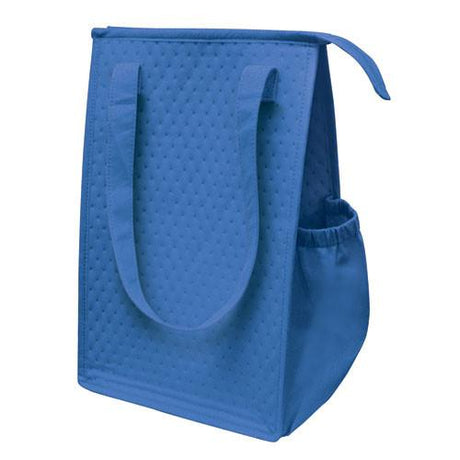
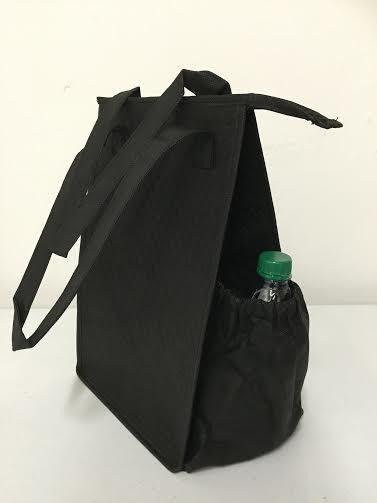
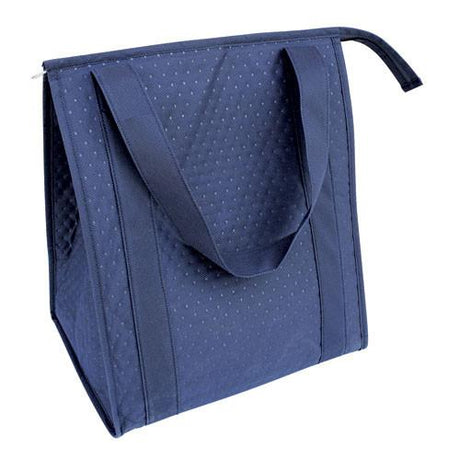
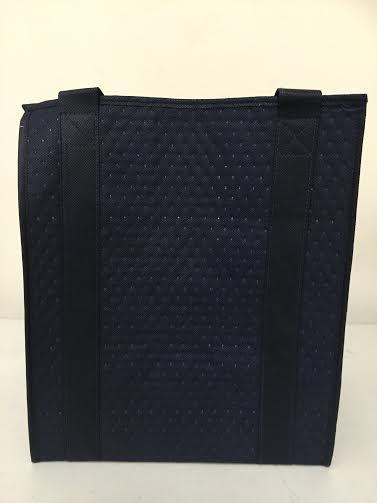
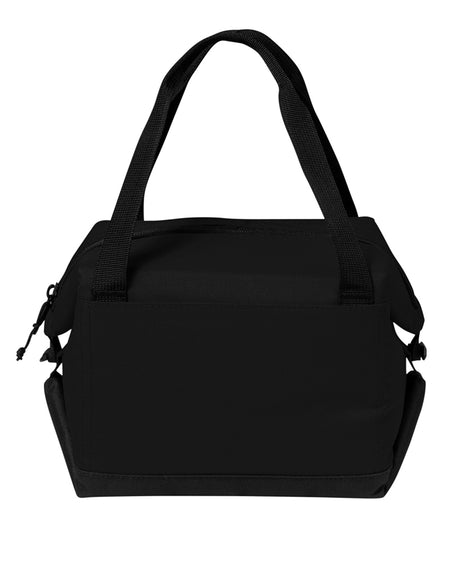
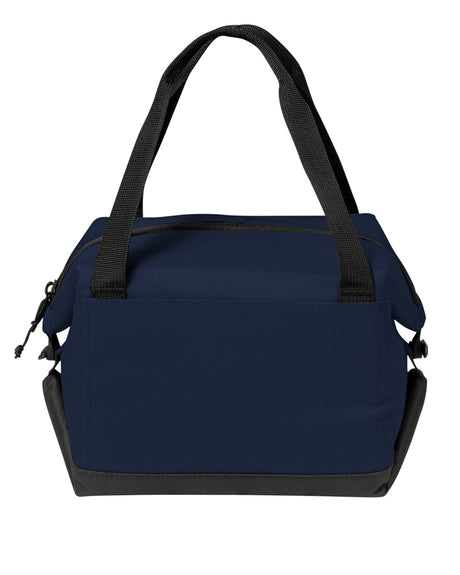
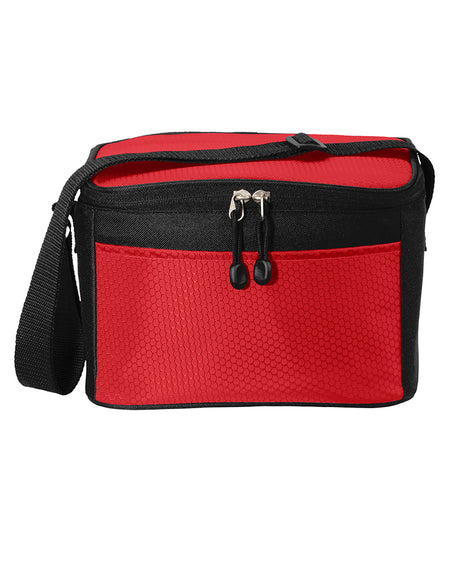
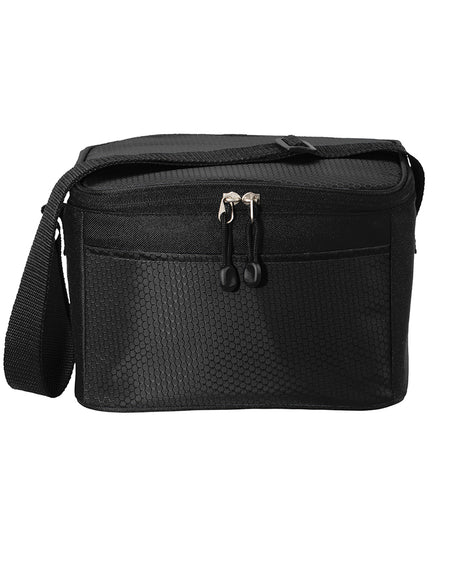
How to Order a Small Lunch Cooler Bag?
To Order a Small Lunch Cooler Bag, follow the ten steps listed below.
-
Define Usage Purpose. Determine whether the cooler bag is intended for school, work, travel, or brand promotions. Match the design and function with the target user's daily routine.
-
Select Bag Type and Features. Choose between soft-sided, hard-shell, collapsible, or tote-style bags. Look for extras like waterproof lining, leak-proof zippers, or adjustable straps.
-
Choose Size and Dimensions. Focus on the small lunch box size category for compact, personal use. Verify the internal storage space and external dimensions to ensure they meet the required space and capacity needs.
-
Select Material Type. Opt for durable, insulated fabrics like polyester or Polyethylene vinyl acetate (PEVA) lining for temperature retention. Prioritize food-safe materials that are easy to clean and resistant to tearing.
-
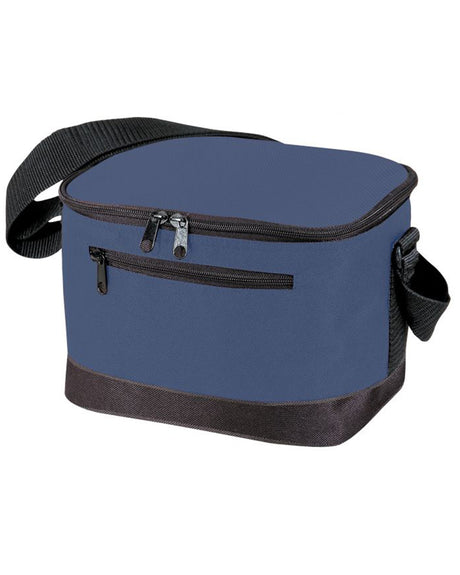
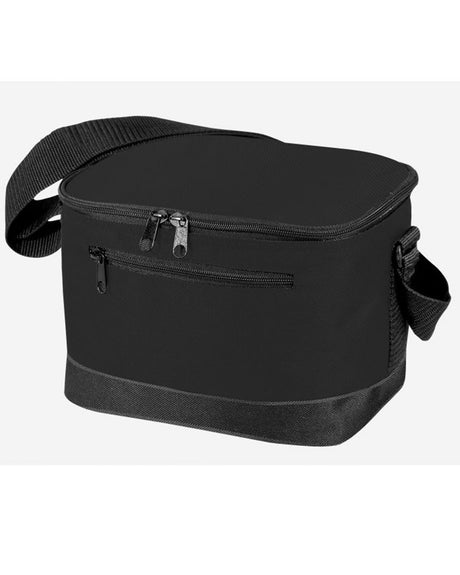
Pick Color and Design. Choose from available solid colors, patterns, or branded options. Upload custom logos or brand elements if needed for marketing or gifting.
-
Check Closure and Access Style. Decide on zipper, Velcro, magnetic flap, or drawstring closures. Choose easy-access openings for quick reach and secure sealing.
-
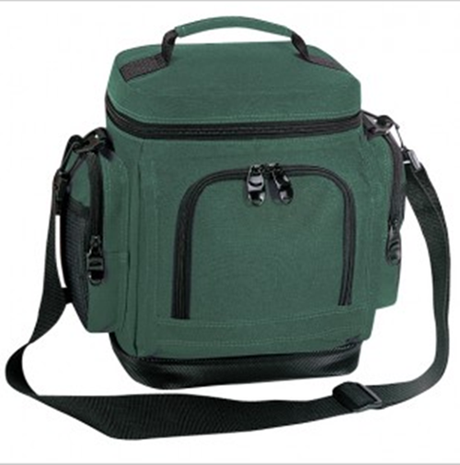
Add Compartments and Accessories. Look for added storage options on Best Lunch Cooler Bags, like side pockets, mesh bottle holders, or utensil sleeves. Consider removable containers or ice packs for better food organization.
-
Review Portability Options. Confirm if the bag includes a top handle, shoulder strap, or backpack straps. Ensure comfort and convenience for short or long-distance carrying.
-
Set Budget and Quantity. Determine the unit cost and bulk pricing options for wholesale or promotional orders. Set quantity goals based on use case or distribution plan.
-
Finalize Order and Delivery Details. Complete the purchase through a trusted supplier with clear payment terms. Provide the exact shipping address and track the delivery timeline for on-time arrival.
How to Choose a Small Lunch Bag?
To Choose a Small Lunch Bag, follow the nine steps listed below.
-
Identify Daily Storage Needs. Assess how many food containers, snacks, and beverage items need to fit. Choose a bag with the right compartments for organized packing.
-
Prioritize Insulation Features. Select bags with PEVA or aluminum lining combined with foam layers. Ensure the insulation maintains food temperature for a few hours.
-
Select Material Based on Use. Choose durable fabrics like polyester or neoprene for the lunch box small category. Match the material with the usage style. Lightweight for kids or rugged for outdoor work.
-
Check Cleaning and Maintenance Requirements. Look for wipeable, waterproof interiors that resist stains. PEVA and Thermoplastic Polyurethane (TPU) linings are easy to maintain with a damp cloth.
-
Assess Size and Compactness. Ensure the bag fits in a backpack, locker, or office drawer. Look for slim or foldable designs for easy storage when not in use.
-
Choose Closure and Portability. Pick padded handles or detachable shoulder straps for flexible carrying. Opt for a Zipper Closure Bag to keep contents secure and avoid spills.
-
Evaluate Interior Layout and Organization. Look for divided compartments, bottle holders, or mesh pouches to keep food items separated and upright in transport.
-
Match Design with Personal Style. Pick patterns, colors, or themes that reflect the user's preference. Branded, playful, or minimalist styles are available for all age groups.
-
Consider Weight and Load Capacity. Select a lightweight bag that handles daily contents without sagging. Reinforced stitching and strong handles increase durability.
What Materials are Used for Insulated Small Lunch Bags?
The Materials used for Insulated Small Lunch Bags are polyester, nylon, or canvas. Selected for their ability to retain temperature, resist leaks, and withstand daily use, providing water resistance and structural integrity. Insulation is achieved using thick, polyethylene (PE) or polyurethane (PU) foam, which slows heat transfer.
The foam is sandwiched between the outer shell and a food-safe inner lining, which is made from aluminum foil, polyethylene vinyl acetate (PEVA), or thermoplastic polyurethane (TPU). The linings are non-toxic, waterproof, and easy to wipe clean, making them ideal for storing food safely. The small insulated lunch bag includes multi-layered construction to boost thermal retention and keep meals hot or cold for hours.
The strength of the materials contributes to shape retention, helping protect the contents inside. Users consider durability, flexibility, and ease of cleaning when selecting materials, making options like neoprene popular among them. See the Fabrics and Materials for Bags section for detailed comparisons.
What Features to Look for in Small Lunch Boxes?
The Features to Look for in Small Lunch Boxes are listed below.
-
Insulated Interior: Keeps food fresh by maintaining temperature for a few hours. Essential for preserving meal quality in work, school, or travel. High-performance insulation prevents spoilage and supports food safety.
-
Leak-Proof Design: Prevents spills and protects items inside backpacks or totes. A sealed, water-resistant lining is essential when packing liquid-based meals. Leak-proof construction adds confidence in transport for soups or dressings.
-
Durable Outer Material: Reinforced polyester, nylon, or canvas offers resistance to wear and tear. The fabrics provide longevity, making the lunch box ideal for daily use. Strong stitching and thick fabric improve the bag's structure.
-
Compact and Lightweight: A small lunch bag must fit easily into backpacks or tote bags. Lightweight design makes it more convenient for daily commutes or travel. The compact shape must accommodate essentials without being bulky.
-
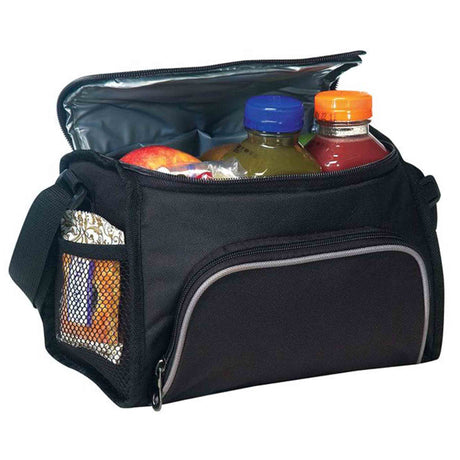
Multiple Compartments: Internal dividers or external zippered pouches help organize food, snacks, and utensils. Separate storage zones improve usability and prevent cross-contamination. Look for a Bag with Pockets to improve functionality.
-
Easy-to-Clean Lining: PEVA, TPU, or aluminum linings simplify cleanup with a wipe or rinse. Food-safe linings help reduce bacterial buildup and support hygiene. A low-maintenance interior keeps the lunch box fresh and odor-free.
-
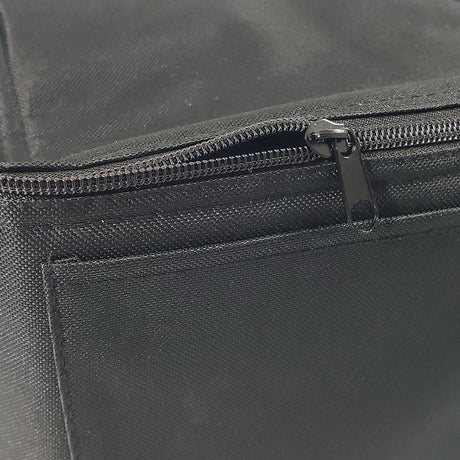
Secure Closure System: Zipper closures or buckle-lock systems ensure contents stay intact in movement. A proper seal prevents air from entering and helps preserve temperature. Closure systems protect against accidental openings.
-
Comfortable Carrying Options: Handles and adjustable must-strap increase convenience and portability. Padded handles reduce strain in long commutes or school walks. Lunch boxes feature clips to attach to larger bags.
-
Stylish Design Choices: Patterns, themes, or color selections let users express personal style. Ideal for kids, professionals, or outdoor users looking for a fashionable option.
-
Eco-Friendly and BPA-Free Materials: Non-toxic, BPA-free materials ensure food safety and health compliance. Environmentally conscious materials promote sustainable choices. The options are essential for users prioritizing health and eco-responsibility.
What are the Benefits of Using a Small Lunch Tote?
The benefits of using a Small Lunch Tote are listed below.
-
Portability: A small lunch tote is easy to carry due to its lightweight build and compact size. It fits comfortably in the hand or over the shoulder, ideal for commutes. Its portability makes it perfect for school, office, or day trips.
-
Space Efficiency: The lunch totes are used to store essential meals without too much room. The small footprint allows it to fit in backpacks, lockers, or desk drawers. It supports minimalism while still offering food storage.
-
Temperature Control: The totes are insulated to maintain food temperature for a few hours. Warm meals stay hot, and cold snacks stay chilled in transport. The feature supports freshness and food safety.
-
Organized Packing: Compartments in a small tote lunch bag help separate main meals, snacks, and utensils. Keeping items neatly arranged prevents mixing and shifting. Organized space makes meal prep and access easier.
-
Eco-Friendly Alternative: Reusable totes replace disposable plastic bags, reducing packaging waste. Eco-friendly products encourage sustainable habits and reduce daily trash, making them a greener choice for environmentally conscious users and families.
-
Versatile Design: Suitable for office, school, road trips, or outdoor picnics. The design fits casual, professional, or recreational settings with ease.
-
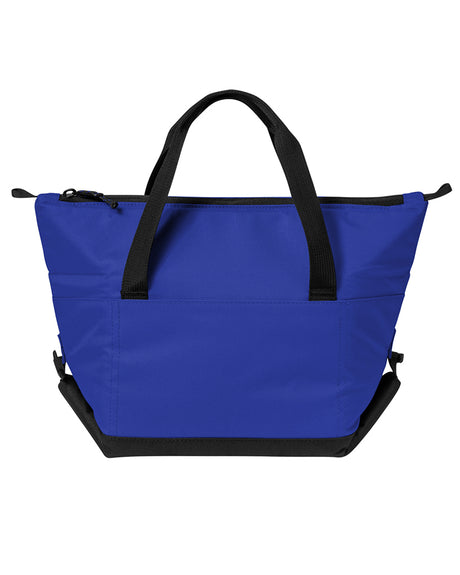
Discreet and Stylish Appearance: A small lunch tote resembles a fashion accessory rather than a food container. It blends with personal attire and works well for professional settings. Users carry lunch confidently without it looking out of place.
-
Easy Cleaning: Tote interiors feature wipeable or washable linings like PEVA or TPU. It reduces lingering smells and makes maintenance quick. Hygiene is preserved without heavy upkeep.
-
Cost-Effective: Saves money by supporting home-prepared meals instead of daily takeout. It enables meal planning and portion control for budget management. A one-time purchase leads to long-term savings.
-
Encourages Healthy Eating: Carrying home-cooked meals promotes balanced eating habits. It allows control over ingredients, portions, and nutrition. Regular use of the best tote bag supports fitness and wellness goals.
How much can an Extra Small Lunch Bag hold?
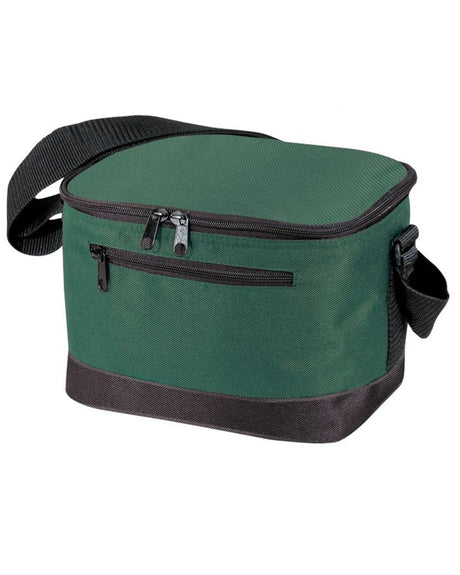
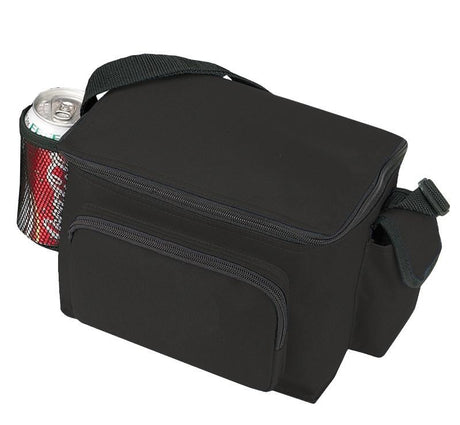
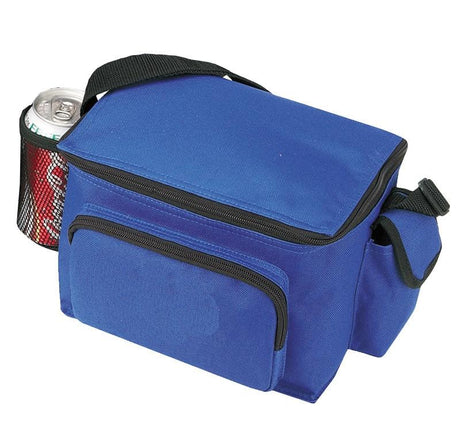
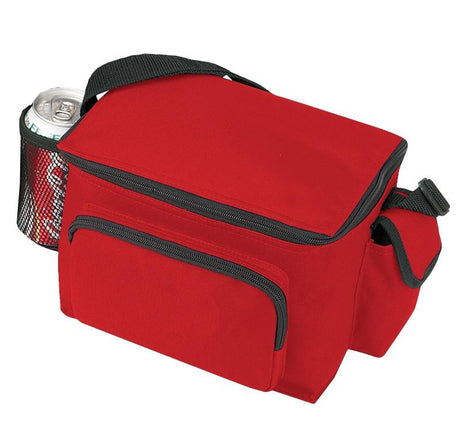
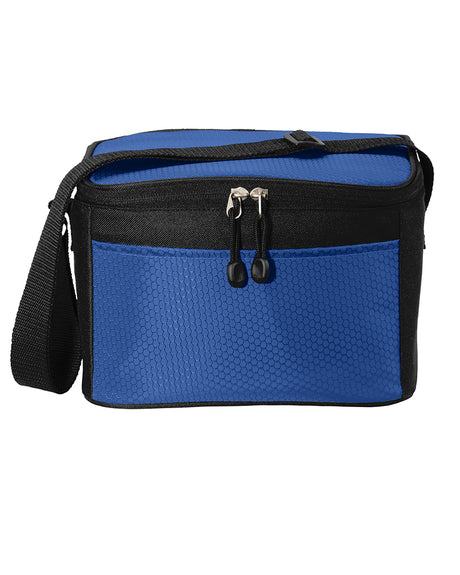
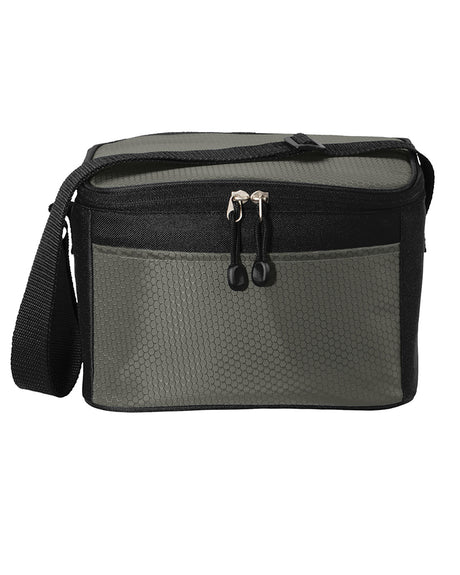
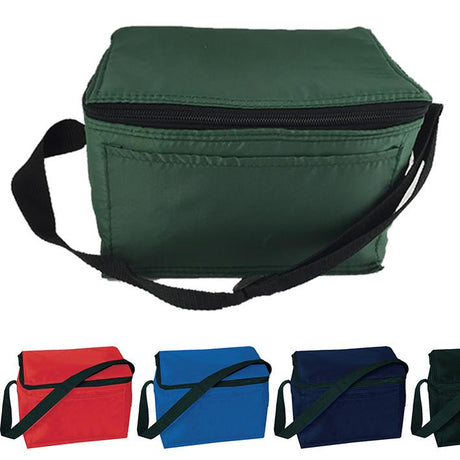
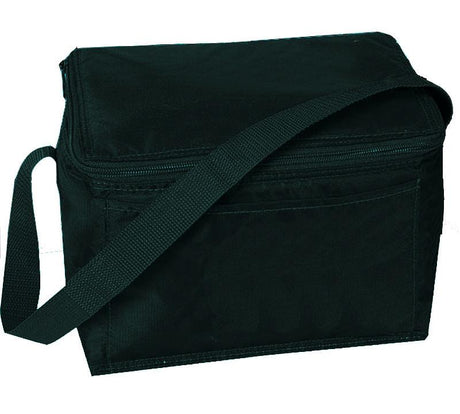
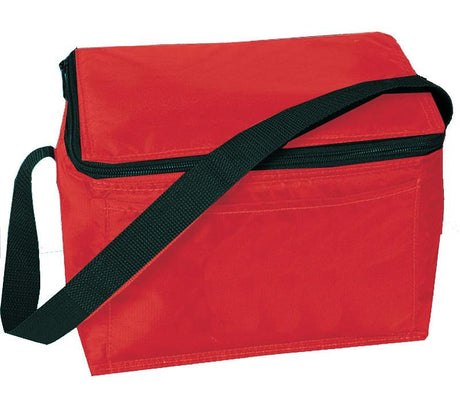
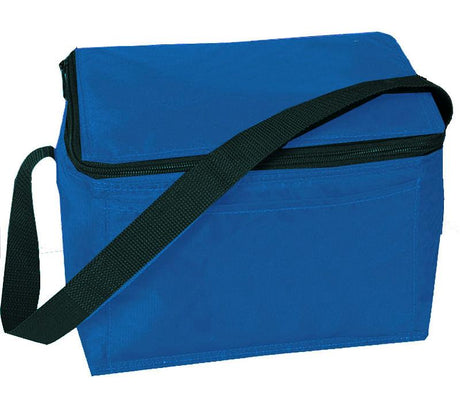
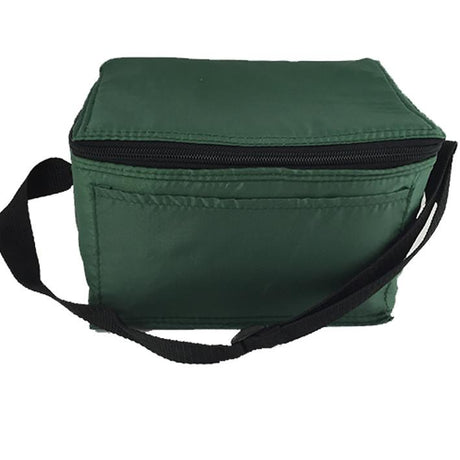
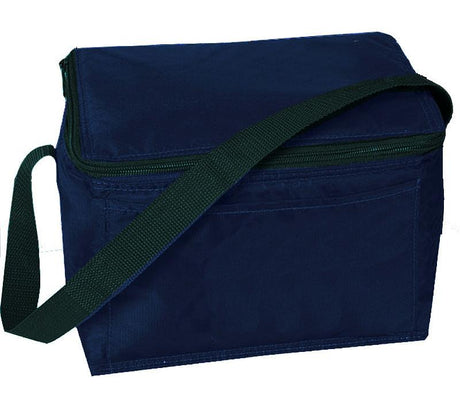
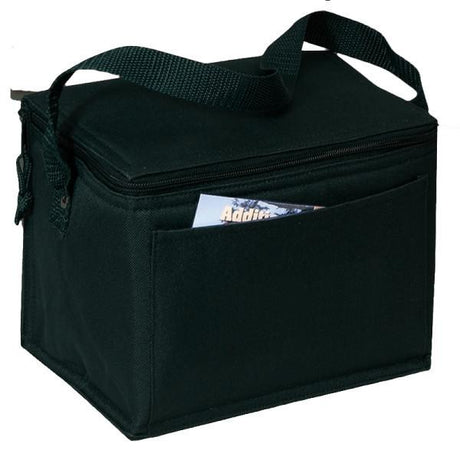
An extra small lunch bag can hold 4.5 to 5 liters of contents, which fits about six 12-oz cans or a small personal meal set. The Promotional Polyester 6-Can Cooler Lunch Bag measures 8.5" wide, 6.5" high, and 6.5" deep, offering compact storage for a sandwich container, fruit, and a beverage.
The extra-small lunch bag is made from 600D polyester with a heavy vinyl backing, providing durability, water resistance, and insulation for temperature control. It includes an imprint area of 4.5" W x 3" H for customization, making it suitable for branding, school use, or light daily lunches. The size and build make it ideal for users seeking a space-saving, functional, and branded option for everyday meals.
Are Mini Lunch Boxes Ideal for Kids?
Yes, mini lunch boxes are ideal for kids because they are compact, lightweight, and designed to hold child-sized portions. The small size of lunch boxes makes them easy for children to carry for preschool and elementary students with limited strength and space in their backpacks. Models are made with child-safe materials and feature simple, secure closures that are easy for kids to open and close independently.
A mini lunch box or mini lunch bag fits a sandwich, a snack, and a small drink, which aligns with most children's lunch needs. Insulated versions, like a mini cooler lunch box, help maintain food temperature and freshness until lunchtime. The vibrant colors and practical compartments with fun designs make the bags engage young users while promoting independence in packing meals. Parents choose a Bag for Kids with visual appeal, portability, and food-safe insulation in one solution.
How does Tote Bag Factory Provide Wholesale for Small Lunch Cooler Bags?
Tote Bag Factory provides wholesale for small lunch cooler bags through a process that includes direct factory sourcing, flexible customization options, and efficient shipping logistics. Tote bag Factory offers a variety of insulated lunch bags suitable for work, school, and events, with no minimum order requirements. Customization services like screen printing and embroidery are available, with production turnaround times ranging from 7 to 10 business days after approval.
Shipping is managed from their California and Georgia warehouses, ensuring delivery within 1 to 5 business days in the United States. Orders over $300 qualify for free ground shipping, while orders under that amount incur a flat rate of $14.95. The refund policy allows returns within 30 days for new and unused merchandise, with a 20% restocking fee for returns over $300. Customized items are not returned once the virtual sample is approved.
Show Less




 Sold out